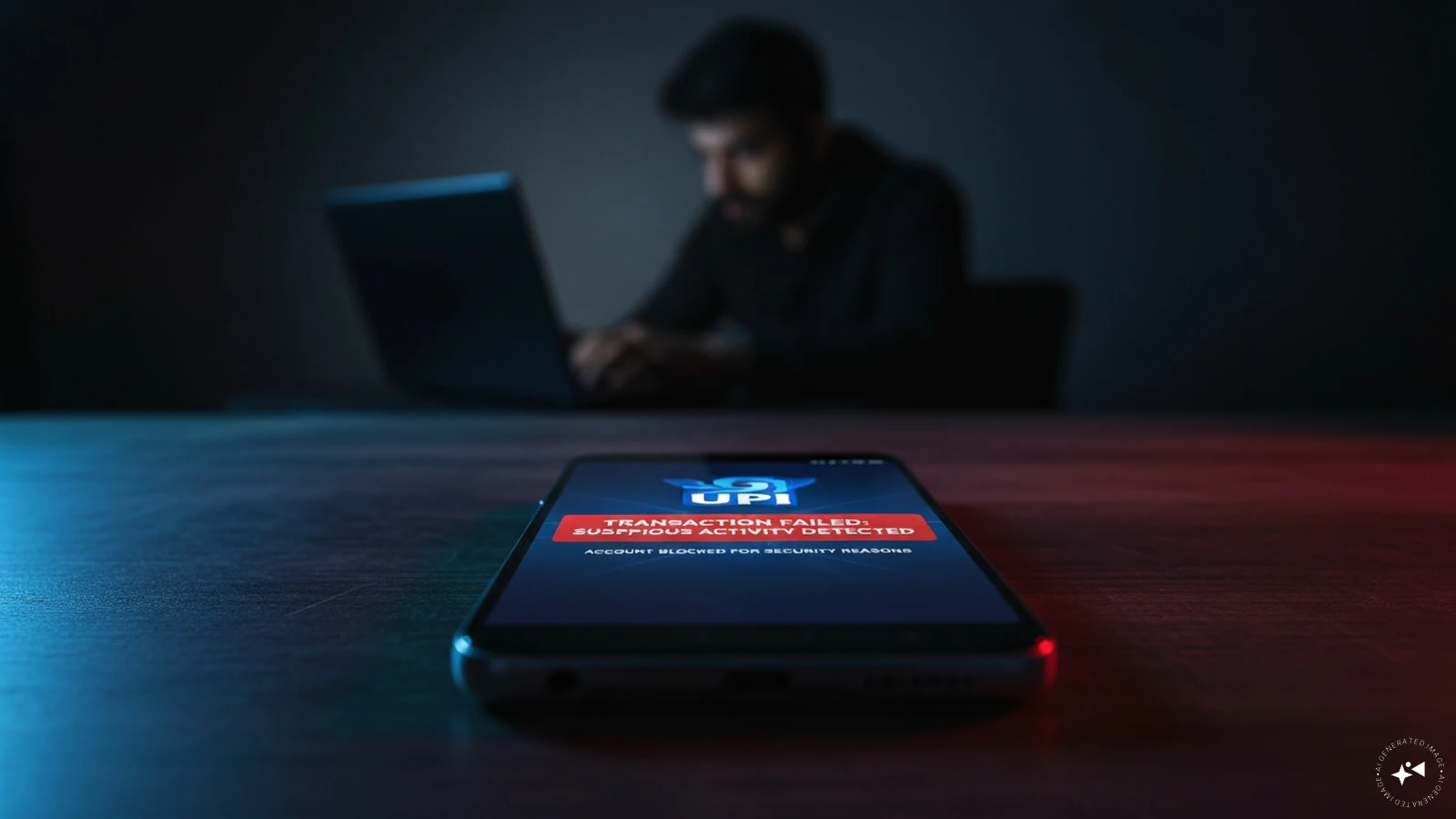
A phone screen that suddenly freezes or a banking app that displays an error may be used by cybercriminals to trick users into giving them access to their devices.
Fraudsters may pose as customer support representatives, offer to fix the problem and persuade users to install malicious applications or grant remote access, potentially putting their banking information and money at risk.
The scam may begin with a suspicious link, fake warning or unresponsive screen. A caller then claims to represent the bank or payment service and asks the user to download an application, including an Android Package Kit (APK) file, or install a screen-sharing tool.
Once access is granted, malicious software may exploit permissions to read SMS messages and notifications, monitor activity or interact with applications. Depending on the access obtained, this could expose sensitive information, including one-time passwords (OTPs), and facilitate fraudulent transactions.
Harish Kumar, CEO of Quick Heal Technologies, an Indian multinational cybersecurity software company, said scammers use fake error alerts and frozen screens to create urgency. He cautioned that malicious applications disguised as service, verification, cashback or utility tools may misuse Android's Accessibility, SMS and notification permissions.
Fraudsters may not need to breach the UPI payment infrastructure. Instead, they can manipulate users into revealing information, granting device access or authenticating transactions themselves. A payment may consequently appear to have been authorised through the normal process even though the user was deceived.
Ravindra Singh, managing director of Delcom Telesystems, an ISO-certified enterprise system integrator and technology solutions provider, said the scam highlights the need to look beyond payment platforms when assessing digital security.
Source link