Researchers from Rice University have developed a new fast-heating method to recover approximately 90 percent of Antimony from plastic electronic waste.
Antimony is the element behind the flame-retardant capacity of plastic casing that is used in electronic devices to prevent the risk of electrical fires.
In this new method, the team electronically heated the plastic waste generated from their lab briefly at high temperatures, which allowed antimony to evaporate and condense in the collection area.
Plus, the plastic spent only 9.4 milliseconds between 392 and 932 degrees Fahrenheit, leaving little time for organic bromides to form toxic compounds.
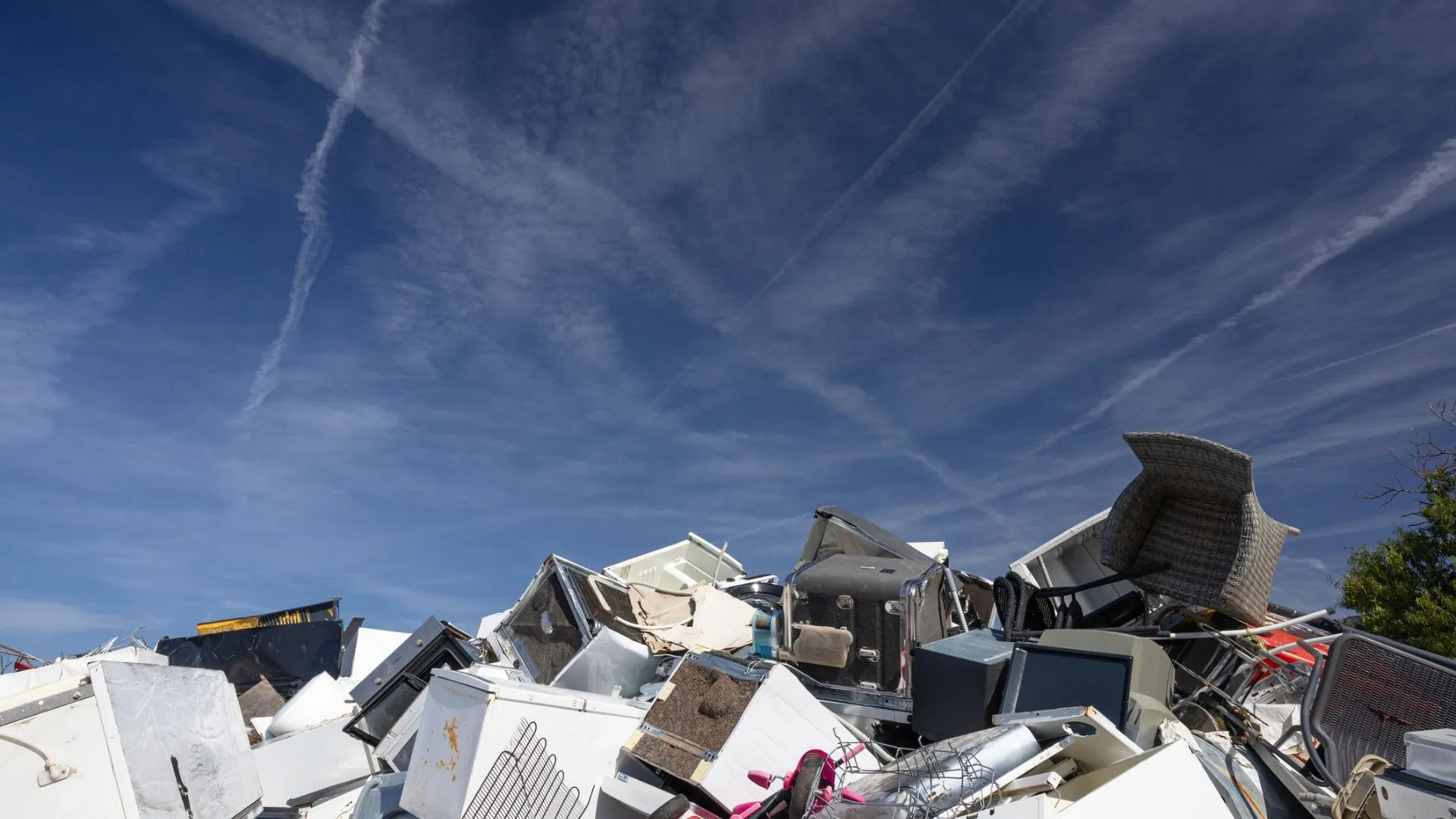
Antimony is rapidly depleting, as nearly 39 percent of global supplies are consumed in manufacturing flame-retardant plastics, most of which ultimately end up in landfills. Global flame-retardant production is projected to reach 82 million metric tons in 2030, alongside tens of millions of tons of annual electronic waste. This escalating demand poses a severe threat to future mineral reserves.
Cutting off at the pass, U.S. researchers explored ways to recapture this important raw material that ends up in the heaps of e-waste after the end of life of the electronic devices.
Traditional recovery methods use slow heating to release the metal before capture. This poses a huge environmental and health risk because such treatments release toxic organic bromides, which are another key component of flame-retardant plastics in forms that are difficult to capture.
”Conventionally, heating the plastic releases the antimony in a volatile and difficult-to-collect form as well as creating and releasing hazardous organic bromide compounds,” said Leo Haoxin Ye, the first author of this paper and a graduate student in James Tour’s lab at Rice.
Source link