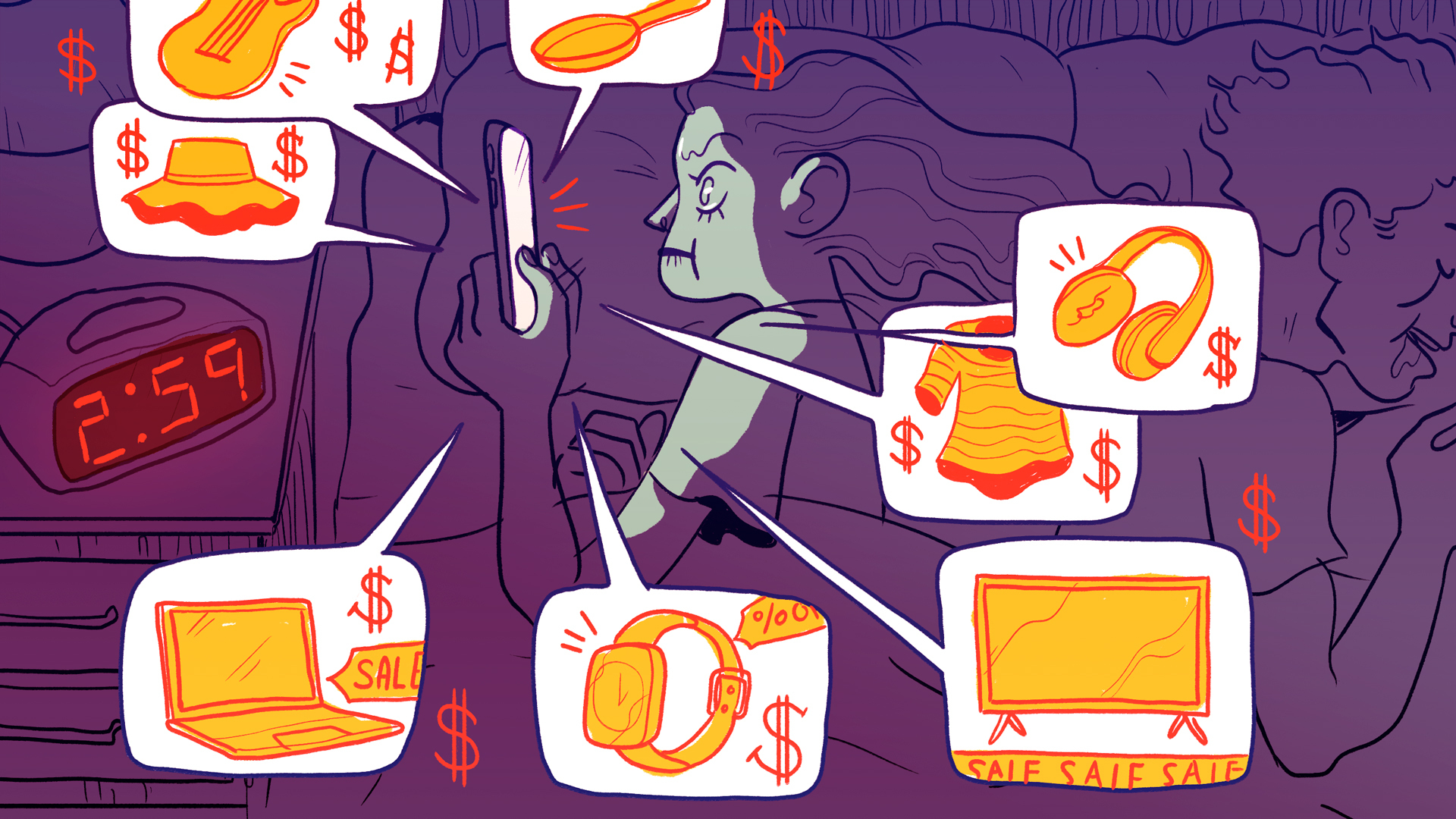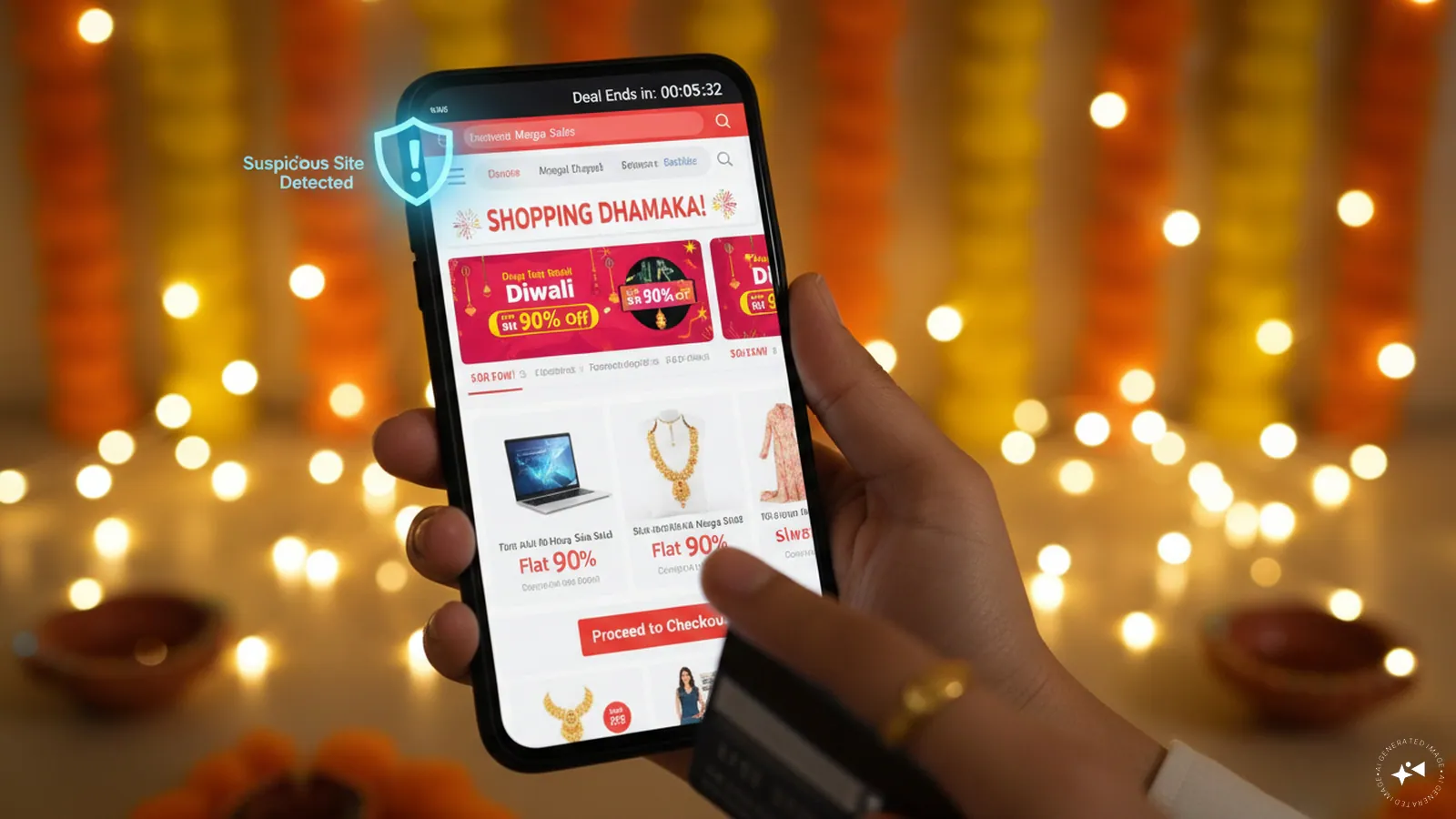
The festive season brings more than just shopping discounts and special offers. It also creates opportunities for cybercriminals to exploit consumers who are making frequent digital payments, tracking deliveries and responding to promotional messages.
Fake cashback offers, tampered QR codes, phishing links and impersonation of trusted brands are among the methods used to trick shoppers into transferring money or sharing sensitive financial details.
The growing use of artificial intelligence (AI) has made some of these attempts harder to identify, with fraudulent messages resembling genuine brand communications.
One common method involves sending QR codes through WhatsApp or other messaging platforms, promising cashback, refunds, Diwali bonuses or gift hampers. Users are asked to scan the code and enter their UPI PIN to receive the money.
However, entering the PIN authorises a payment, resulting in a debit from the user's account.
Another method involves placing fake QR-code stickers over genuine merchant codes at shops, diverting payments to fraudsters.
PhonePe has cautioned consumers against such scams, reiterating that a UPI PIN is required to send money, not receive it. Users should verify the recipient's name and transaction amount before authorising payments.
Fraudsters also exploit the volume of promotional emails, order confirmations and delivery updates during festive sales. They may impersonate popular brands, circulate phishing links or direct shoppers to cloned websites offering unusually steep discounts.
Parag Khurana, Country Manager, India, Barracuda Networks, says the high volume of genuine promotional and payment communications makes it harder for consumers to distinguish legitimate messages from fraudulent ones.
Source link