Home / Technology / Tech News / Explained: How a backdoor in Android TV devices exposed 1.3 million users
Explained: How a backdoor in Android TV devices exposed 1.3 million users
A backdoor embedded in over 1.3 million Android devices exposed gaps in Google's certification checks. Here's how the malware worked, what it did and what the breach means for device security
Google's investigation found a backdoor in more than 1.3 million Android devices, raising concerns about security checks for certified devices
Harsh Shivam New Delhi 9 min read Last Updated : Nov 03 2026 | 4:35 PM IST
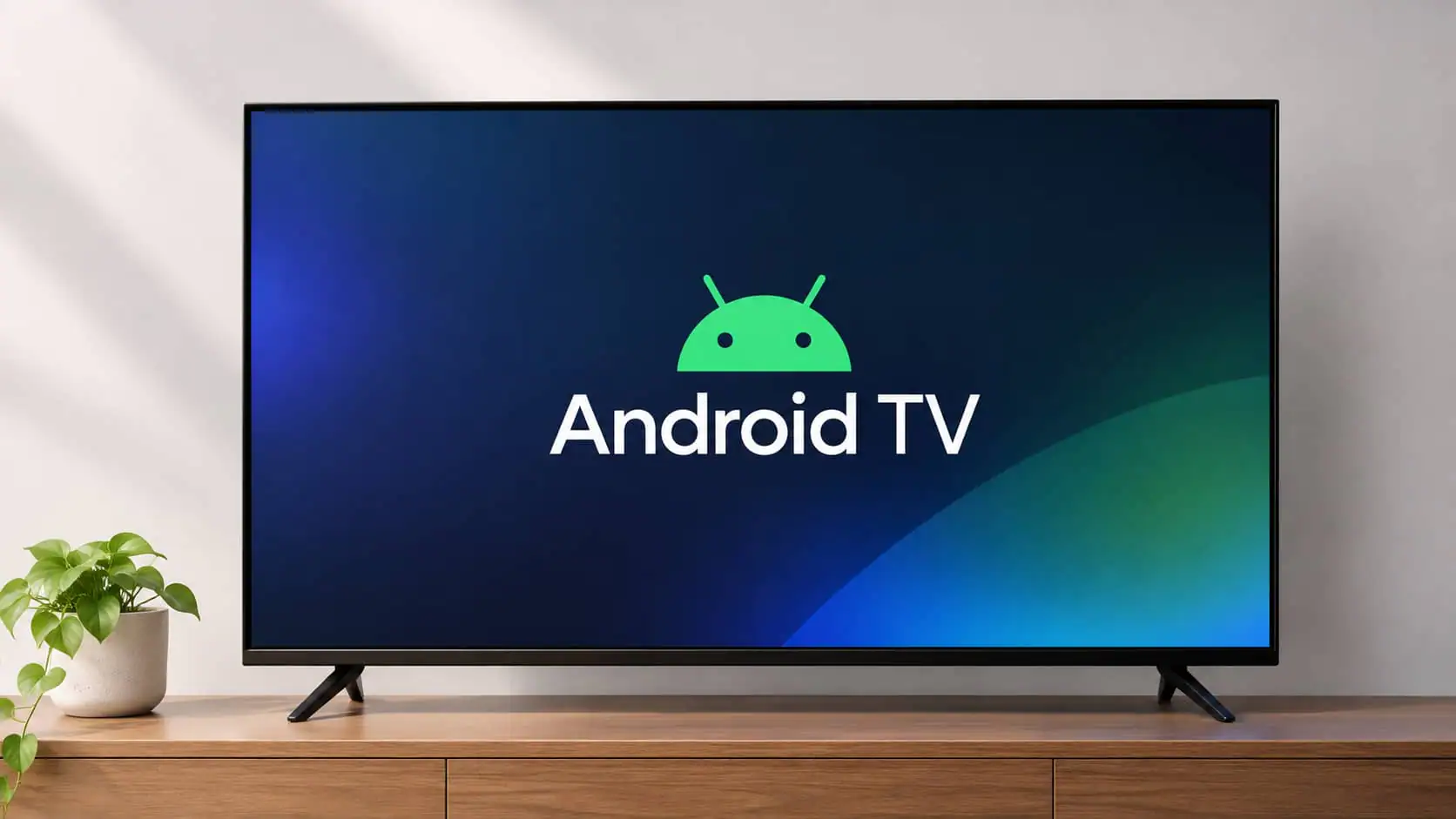
Google 's discovery of a backdoor in more than 1.3 million devices, including Android TV-certified set-top boxes, has raised questions about the security checks used to certify connected consumer devices. The malware, allegedly developed and embedded by Chinese device manufacturer Videostrong Technology, allowed attackers to access infected devices, steal information and use their internet connections without the owners' knowledge.
The incident is significant because some of the affected devices carried Google's Android certification, which is meant to indicate that they meet the company's compatibility and security requirements. Google has acknowledged that Videostrong exploited a gap in its testing process to install malicious code after a device's first boot. The company has since cut ties with the manufacturer and taken steps to disrupt the botnet.
The case raises a wider concern for consumers who buy Android TV boxes and other connected devices. Even when a device carries a recognised software certification, its firmware and the manufacturer's practices can introduce security risks that are difficult for users to identify.
Source link