Despite good initial hardware, the Googlebook OS still needs a lot of work.
It's somehow been almost two and a half years since Google said it would migrate its laptop operating system from ChromeOS to Android, and the results of that effort are finally out in the wild. Google and its hardware partners officially launched Googlebooks earlier this month with the promise of tight integration between your Android phone and this new, Android-powered laptop OS, plenty of AI-powered tricks and premium hardware.
As someone who has used and tested ChromeOS extensively over the last decade (!), I've been wondering what exactly would differentiate the Googlebook OS from ChromeOS. Google's initial Googlebook introduction in May didn't give us a ton of information, but a big demo event and several weeks of testing has given me a better idea of what the company is shooting for. And after my time with Googlebooks, I can say that while there might be benefits internally for Google (as well as third-party developers) to move from ChromeOS to Android, the upside isn't fully there for potential buyers yet — particularly when you consider how expensive Googlebooks are.
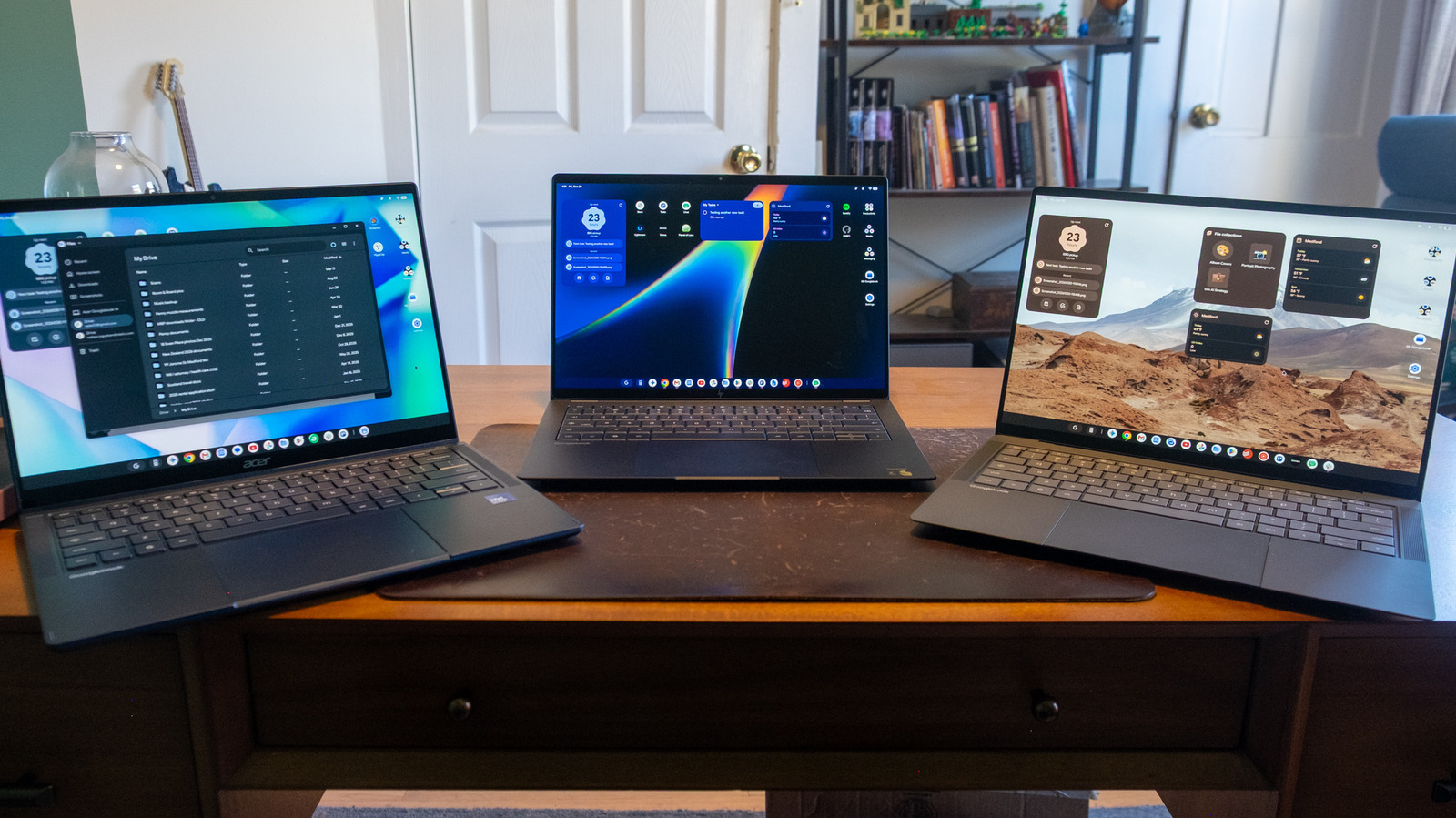
This isn't a formal review of one Googlebook but rather an evaluation of the operating system Google is pushing. But it's worth talking quickly about the Googlebook hardware launching alongside the OS. 2 pounds. It features an OLED touchscreen with Corning's Gorilla Matte glass, which significantly cuts down on reflections. From a specs standpoint, it runs on an Intel Core Ultra 5 chip with 16GB of RAM and 512GB of storage.
Source link