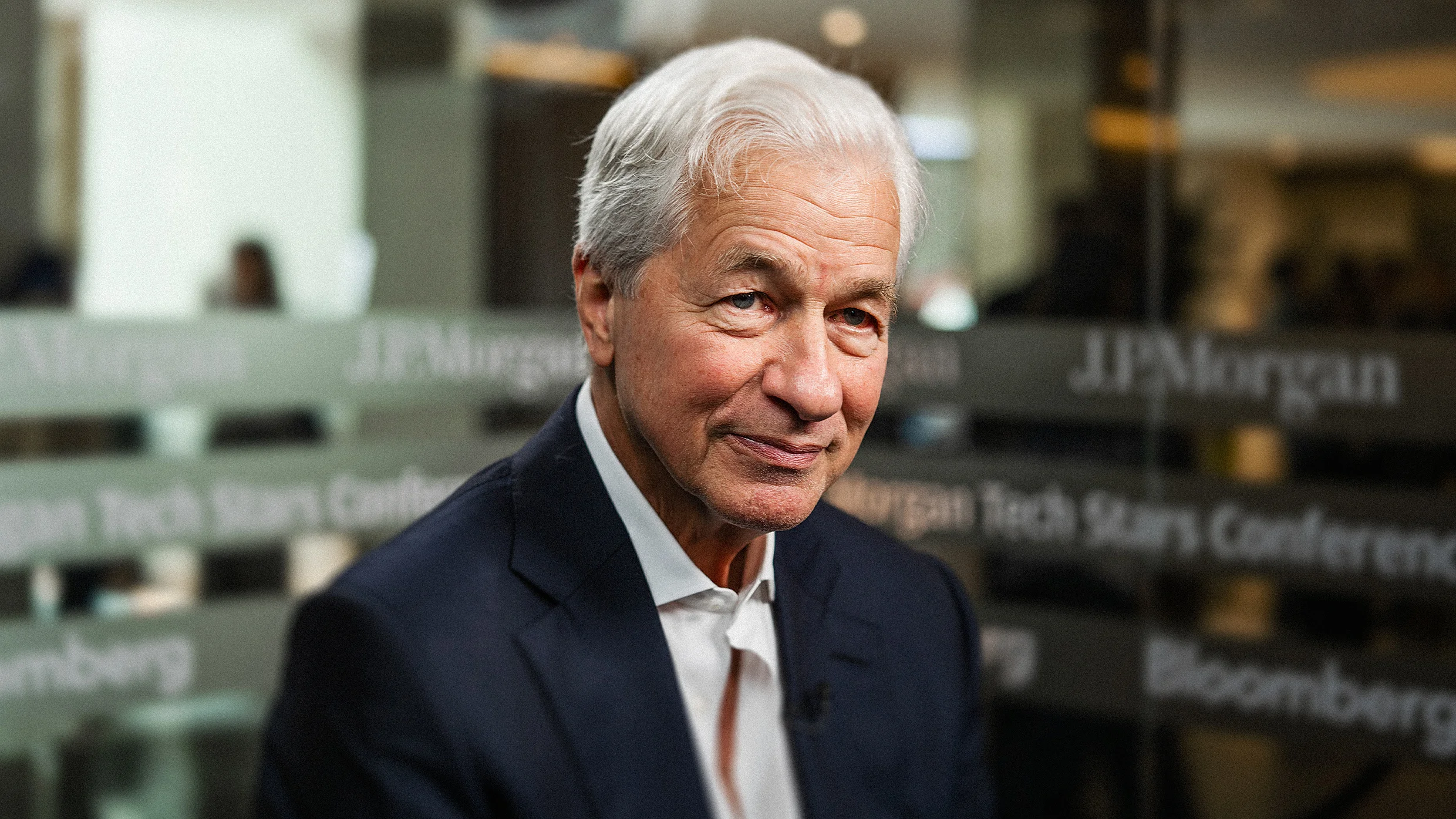
A senior financial services executive, Ryan Sparks, shared something unexpected with us in a discussion: He had built a “Jamie Dimon.” Earlier in his career, he had access to the JPMorgan Chase CEO, regularly engaging with his operating committee and occasionally with him directly. That proximity had a real impact on Sparks’s career and thinking.
What struck Sparks most was Dimon’s leadership style and how it shaped the thinking of everyone around him. Dimon challenged assumptions, pushed for bigger thinking, and asked questions that made people pause.
As Sparks’s career progressed, he changed roles and organizations, and that access disappeared. He had other mentors and advisors, but he no longer had someone embodying that caliber of thinking discipline.
Using generative artificial intelligence, he created a version of that lost thinking dynamic to codify the relentless questioning and rigor that Dimon embodied, and embed it in an agent he could call on to challenge his assumptions and expose his blind spots. That got us thinking. What if senior leaders stopped treating Gen AI primarily as a tool for producing work and started using it to improve how they think?
Senior leaders already have people around them: boards, executive teams, mentors, coaches, and advisors. But each relationship has constraints. Corporate boards have governance responsibilities. Executive teams have organizational responsibilities and personal agendas. Mentors have limited time. And the more senior you become, the harder it can be to find people willing to tell you what they really think about your strategies and recommendations.
Source link