A study earlier this year aimed to chart how humans interact with AI at work, depending on how the agents are designed and presented. That included asking participants to work with two human-like AI assistants, one presenting as male and one as female, then judging them on trustworthiness, the quality of their work, and how much they deserve to be paid.
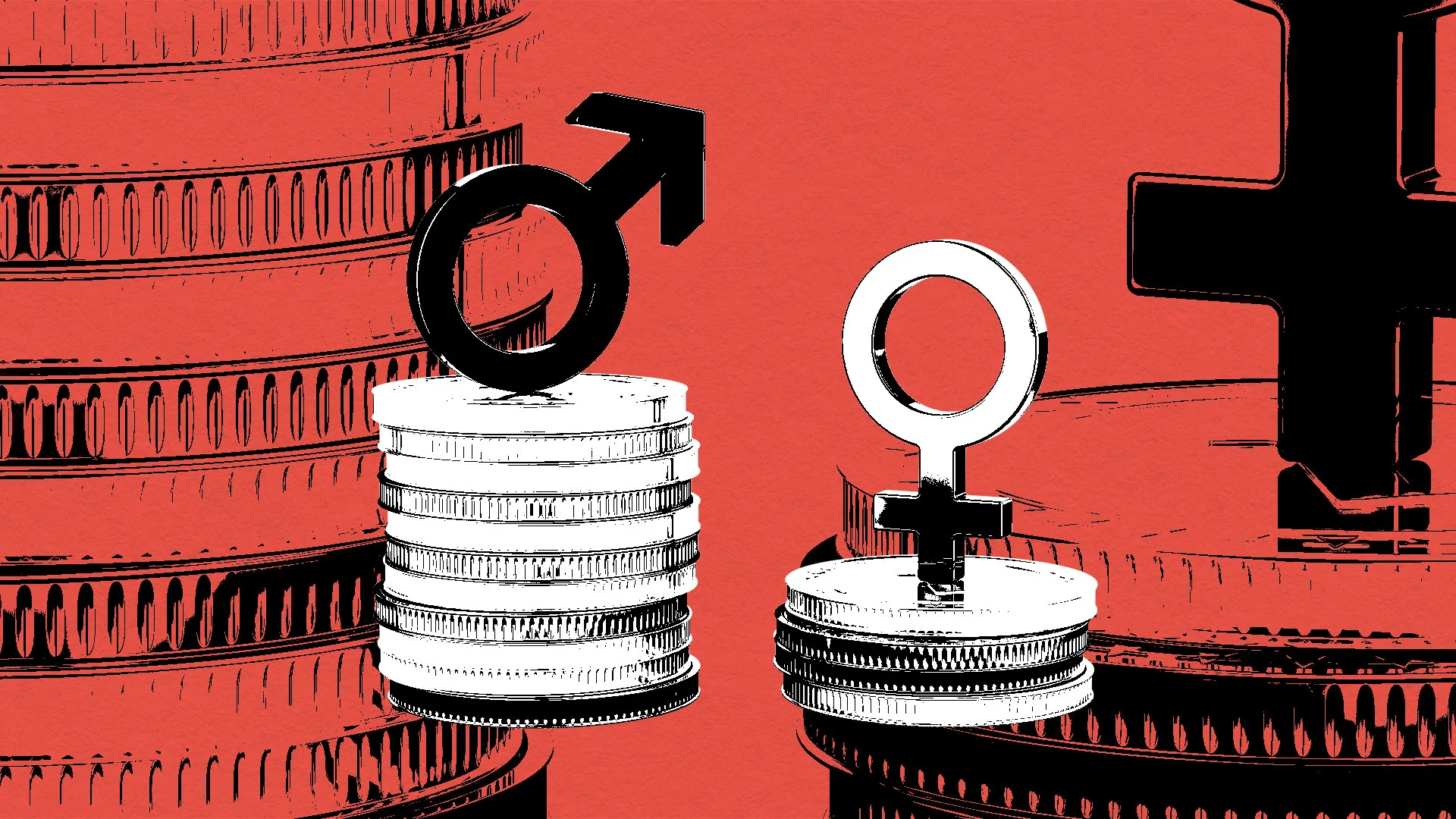
In a troubling mirror to the real-world gender pay gap, both men and women said that the male agent should be paid more than the female agent on average.
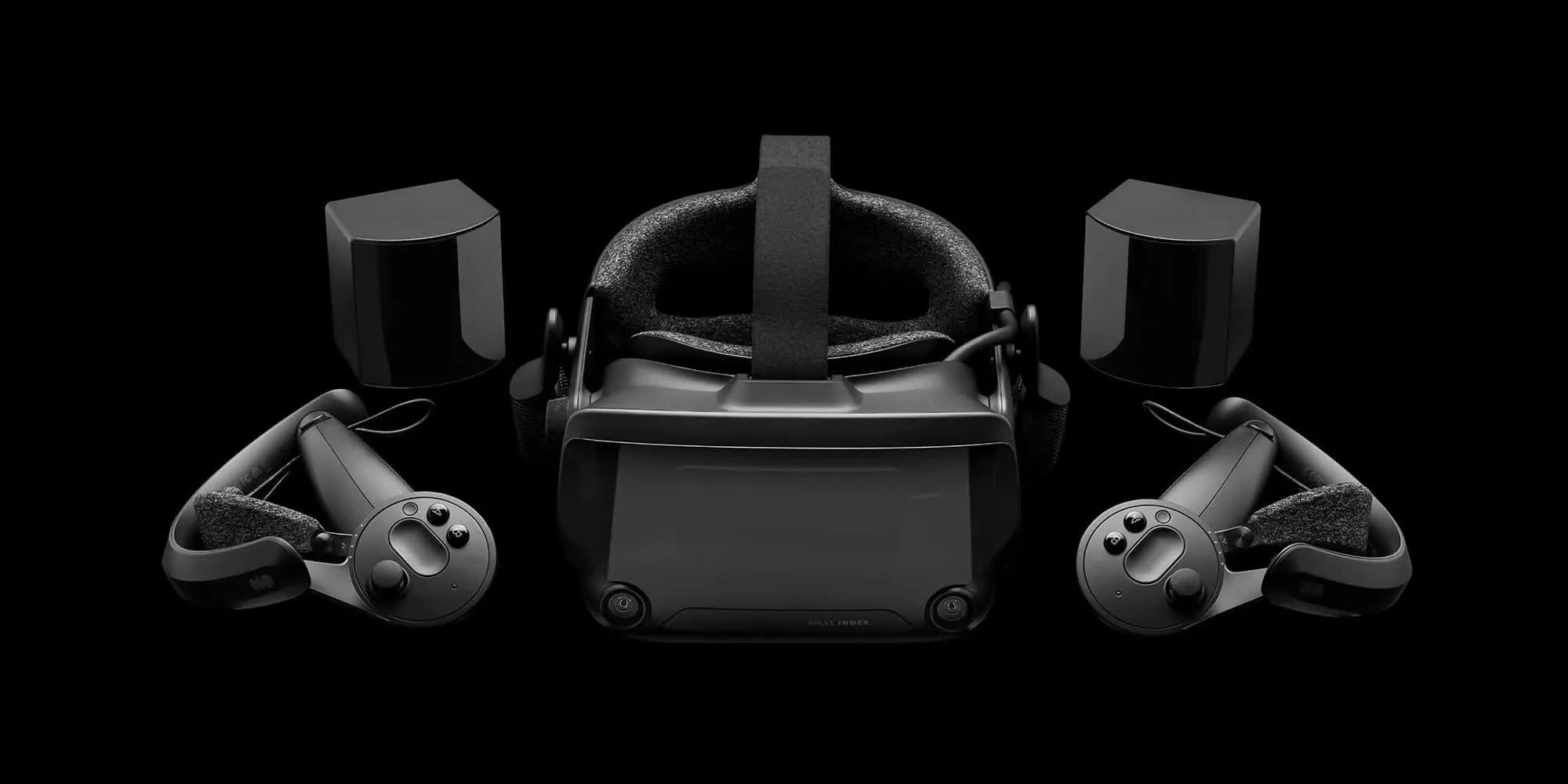
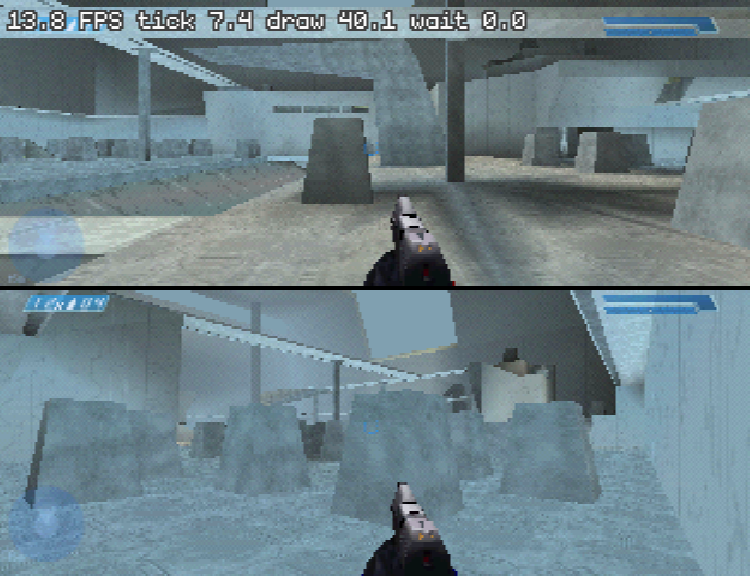
In the experiment, participants were placed in a virtual reality office and made to work with AI assistants. Among them were Johan and Johanna, two human-like AI agents identical in functionality. The only difference between them? Their gender presentation.
Participants ranked Johan and Johanna similarly in terms of deserving credit for their work and their trustworthiness, with Johan ranking slightly above Johanna in the latter category.
Still, when given the chance to pay the AI agents for their work, participants paid Johanna 10% less than they paid Johan. The female-presenting agent was also deemed significantly less human-like than her male-presenting counterpart.
These differences fly in the face of what the majority of participants said in interviews, which is that they would trust all AI assistants the same, regardless of their perceived gender. “If there was an AI man or an AI woman, I would trust the results equally the same,” one participant noted.
“A machine doesn’t actually have a gender and I’m dealing with a machine or with technology,” remarked another.
Source link