
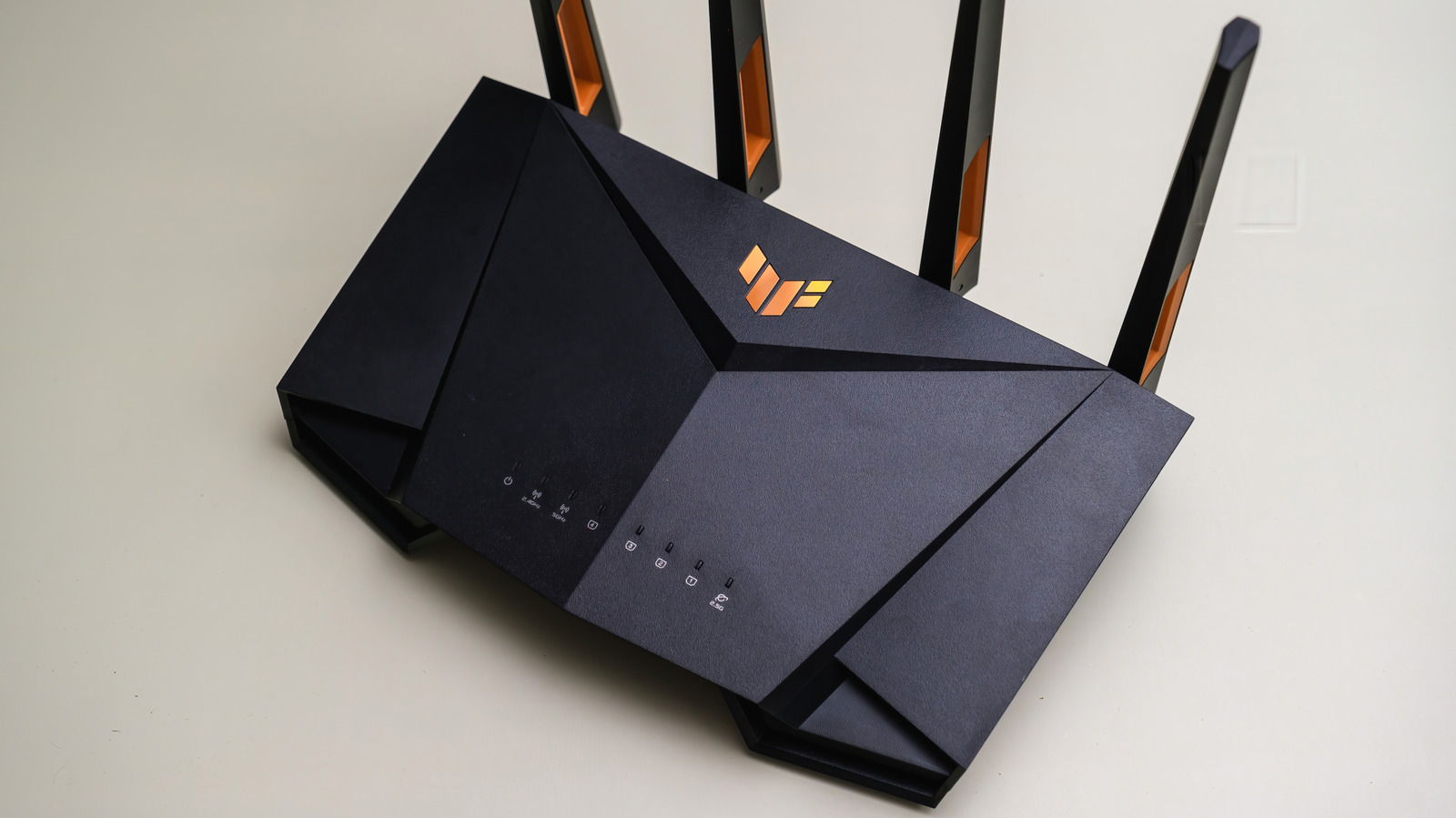
Gaming routers aren't snake oil, but you can get many important features without them.
Gamer-specific versions exist for almost all the hardware you use at your desk. The PC is an obvious one, while a chair, desk and various peripherals can all come with a specific "gaming" flavor. Some of these make a difference in how you play, like gaming monitors with high refresh rates or mice with programmable buttons. But what about a gaming router?
A gaming router with big antennas and fun design promises lower latency and features that make gaming the priority for your traffic. That sounds appealing if you're sick of lag, but ordinary routers have similar tools and functionality. It's worth understanding what you're paying for and what the better alternative might be.
Strip away the fancy packaging, and there's nothing particularly special about the internal components of a gaming router. It's going to do the same job of any home router: move traffic between your devices and the internet. The gaming label is partly marketing, as is the design. But you do get gaming-specific features, alongside often-powerful hardware.
Specs-wise, there's familiar network tech since gaming routers use the same Wi-Fi standards and Ethernet connections as all other ones. Expect Wi-Fi 7 support for the newest models, along with tri-band radios , fast Ethernet jacks and at least one USB port to connect an external drive or similar. But this isn't particularly special. 5 Gbps Ethernet ports and QoS device prioritization) on TP-Link's non-gaming Archer BE550, which is an entry-level Wi-Fi 7 router.
Source link





