
This article has been reviewed according to Science X's editorial process and policies. Editors have highlighted the following attributes while ensuring the content's credibility:
For millions of people at risk of glaucoma, healthy eye pressure can mean the difference between preserving vision and losing it. Yet despite decades of research, scientists still do not fully understand what regulates daily changes in eye pressure or how those fluctuations may contribute to glaucoma. A series of three studies led by Christopher Passaglia, a University of South Florida professor and associate chair in the Department of Medical Engineering, is helping fill in those gaps.
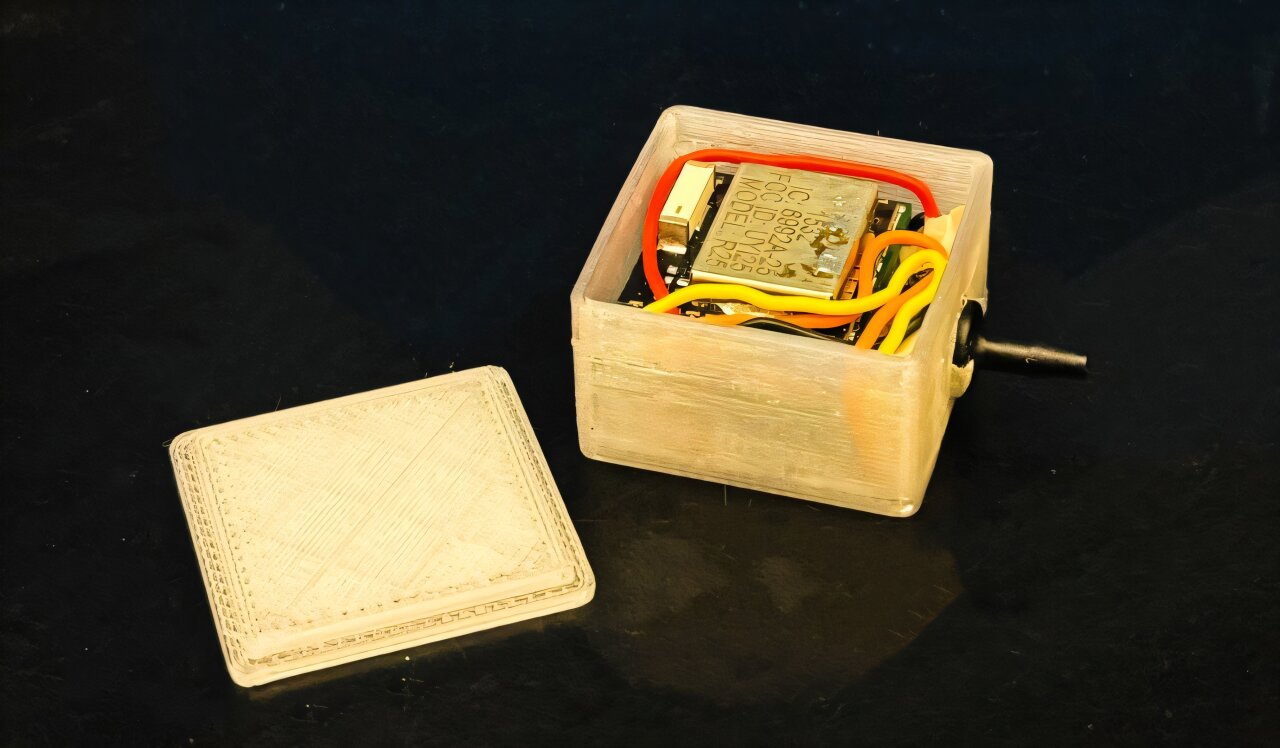
Recently published in Investigative Ophthalmology & Visual Science, Passaglia's latest research, with USF alumna Alexandra Zamitalo serving as lead author, centers on a first-of-its-kind wireless eye-pressure monitoring system developed in his lab. The technology collects continuous measurements in rats, which share daily eye-pressure rhythms similar to those observed in humans.
Using the technology, researchers investigated how the body's circadian rhythm may help regulate pressure inside the eye. This internal clock helps manage sleep, hormone production and other daily functions, with light serving as an important signal that keeps it synchronized.
"No one was continuously measuring eye pressure until we figured out a way. It was then that we started seeing patterns that had largely been invisible before, providing one of the most detailed looks yet at the biological mechanisms that control eye pressure. This could eventually help researchers develop new approaches for understanding and treating glaucoma," said Passaglia, a USF professor.
Source link





