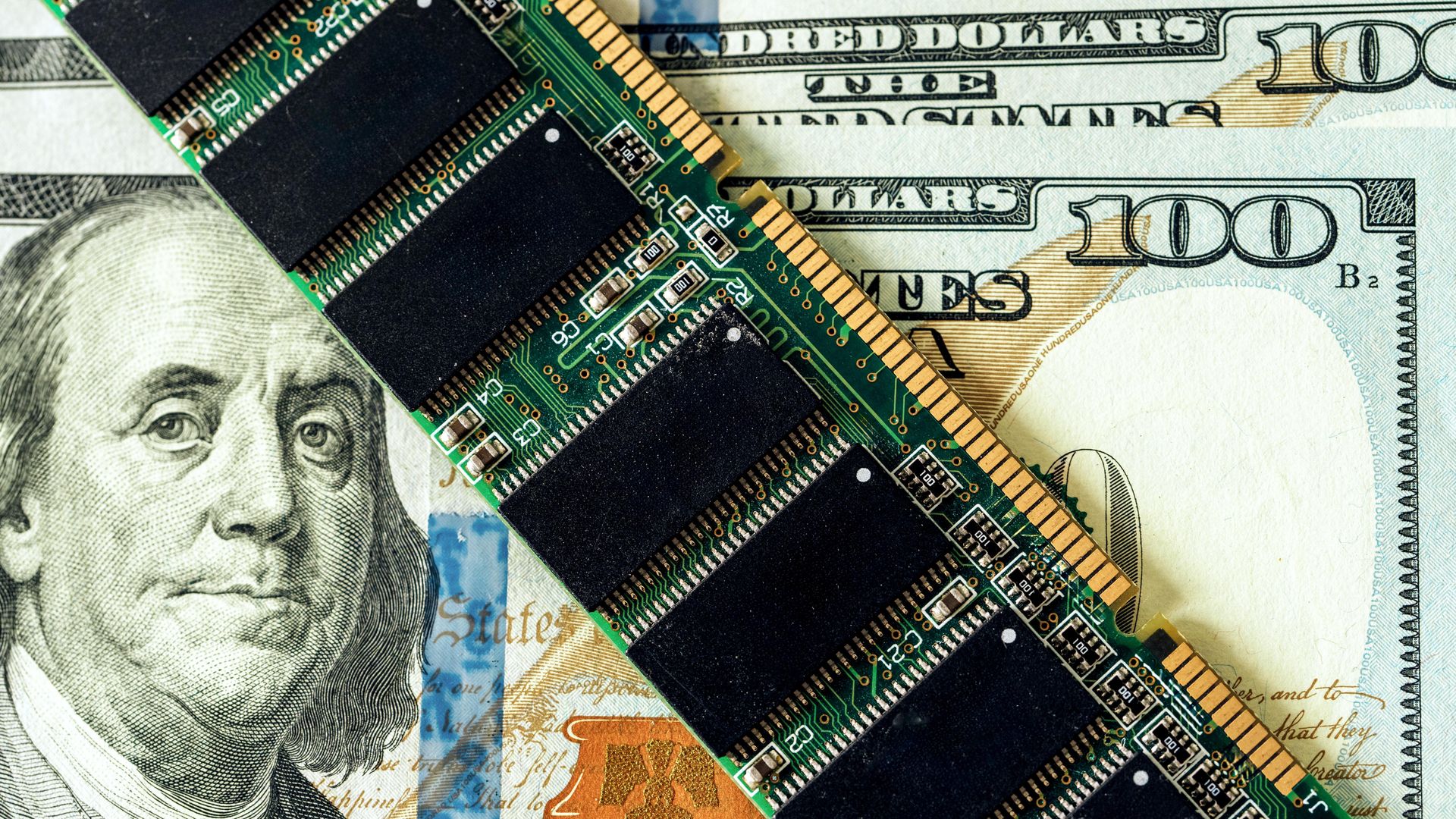
If you want to know what it looks like when a trillion-dollar tech bubble violently collides with physical reality, just look at yesterday. $2.5 trillion in tech valuations were wiped off the board as Wall Street panicked about AI’s leverage — punishing tech giants for incinerating cash on infrastructure that isn’t generating immediate profit.
Simultaneously, as we saw on Wednesday, the American voter rejected data center expansions in 40 out of 41 local ballot measures. The hardware hoarders are losing their grip, and the panic is palpable. The era of scrutiny is here, and I want to show you two possible timelines of where this could go.
When faced with this stock crash, AMD CEO Lisa Su said, “We are a data center first company.” While I’d love to throw my hands up and get angry at this, I have to turn the BS detector on myself and address a brutal truth: she’s right. This market crash is a sentiment correction, not an overnight fab cancellation.
The big three memory foundries — SK Hynix, Samsung and Micron — operate on long-term agreements. 2026-2027 is already locked in at sky-high prices, and on top of that, enterprise AI accelerators consume roughly 3x the silicon wafers of standard consumer DDR5 memory.
As long as those massive AI server chips are shipping, conventional RAM capacity remains deeply suppressed.
So, if Wall Street is slashing valuations and data center permits are being blocked, why aren’t memory foundries pivoting back to consumer PC hardware right now?
Source link