In the early days of the Biden administration, after the COVID-19 pandemic and overlapping recession, advocates of government spending to aid the recovery faced concerns that such programs would add to the seemingly ever-growing national debt.
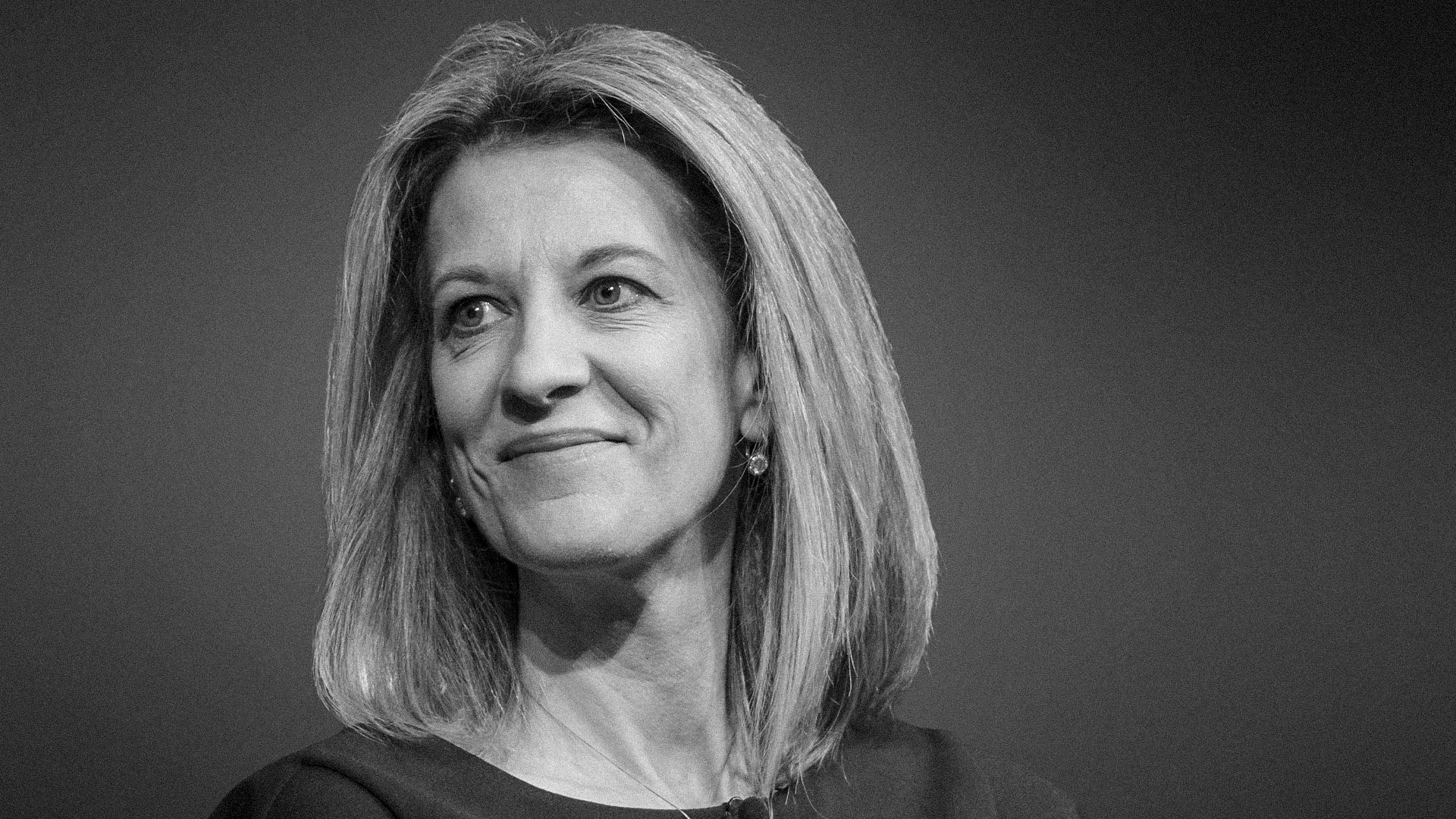
In addition to arguments about unemployment and the overall health of the economy, backers of spending bills like what became the Infrastructure Investment and Jobs Act had an increasingly influential economic idea on their side. Modern Monetary Theory, or MMT, arose from the work of numerous economists, but it was especially popularized by the work of Stephanie Kelton, an economics professor who was a senior economic advisor to Senator Bernie Sanders’s presidential campaigns in 2016 and 2020 and served as chief economist for the Democratic staff of the Senate Budget Committee toward the end of the Obama administration.
MMT, in essence, argues that deficit spending by governments with the power to issue their own currency isn’t inherently bad. And, as Kelton argued in her influential 2020 book The Deficit Myth, it can be used to promote a more prosperous and just economy. Common analogies between government deficit spending and consumers racking up credit card bills to spend beyond their means miss the mark, MMT’s advocates argue.
“The work that I do explains why the federal government’s budget doesn’t work like a household budget, and why there is more capacity to spend on priorities, whether it’s healthcare, education, infrastructure, climate,” says Kelton. “Whatever it is, the spending capacity is there.”
Since 2020, we’ve seen the end of the pandemic, the rise of inflation, and the reelection of Donald Trump, who despite pledges to shrink the size of government and limit international involvement has spent heavily on immigration enforcement and the war with Iran .
Source link