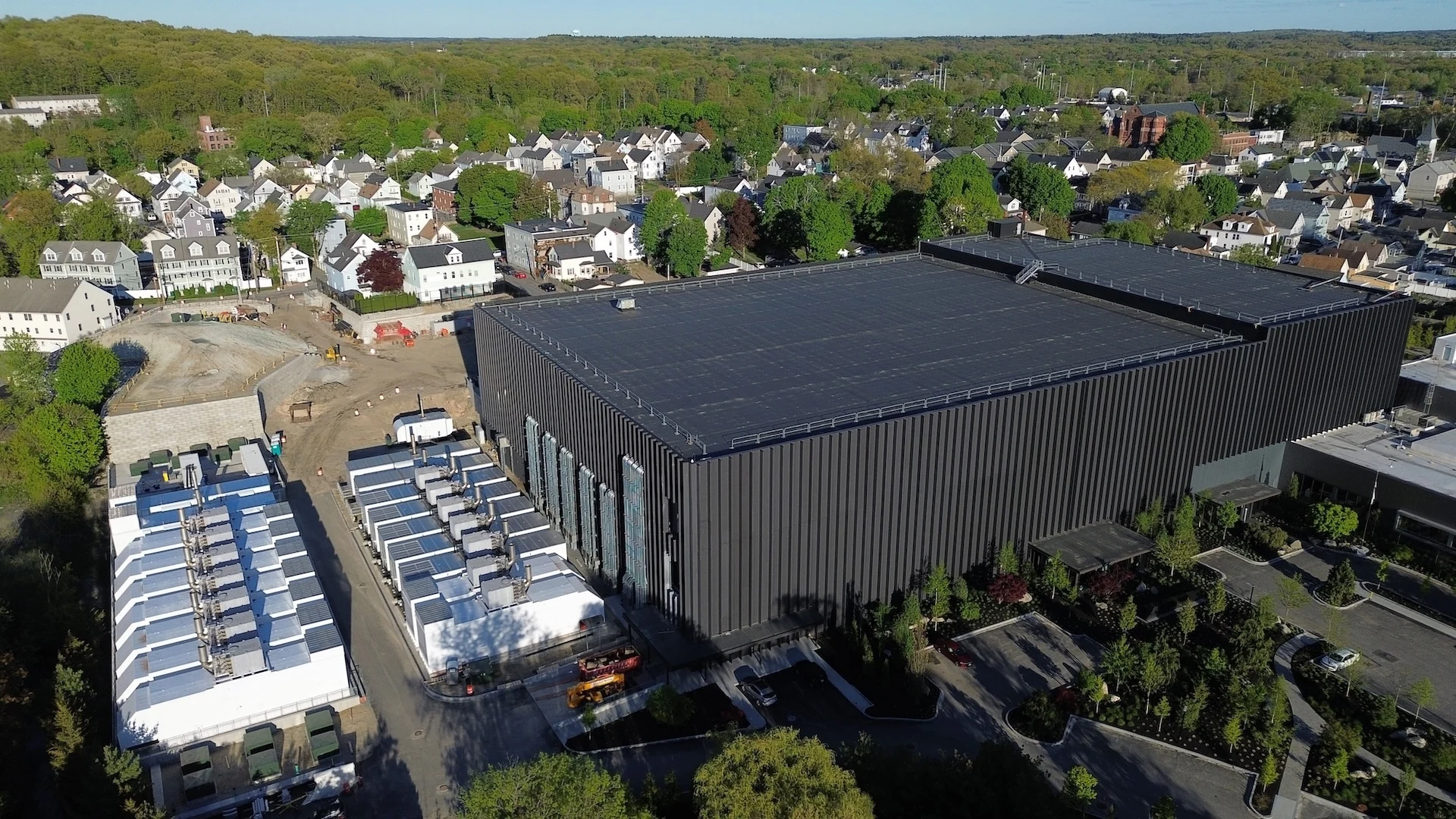
When Ukraine struck Russian data centers earlier this week, it was a stark reminder that the massive buildings are becoming a target in warfare. In March, the Iranian military struck Amazon data centers in the United Arab Emirates, which remained out of service several months later.
While warfare attacks on data centers may seem like a distant threat for Americans, a cybersecurity expert tells Mashable that they remain a valuable target for physical and digital breaches, even in the U.S.
"Everything you do online goes to a data center," says Charles Brooks, an adjunct lecturer in cybersecurity at Georgetown University.
The average person's Netflix viewing, Google Doc usage, and personal online banking, for example, typically rely on the servers housed in data centers.
Additionally, cloud computing services used by the government, healthcare systems, financial institutions, and businesses need data centers. They're also vital for Earth-to-space communications, Brooks says.
That's why stealing sensitive information from data center servers or disrupting their operations altogether has become alluring for state-backed criminal hackers and operatives.
Brooks says the 20-year-old adage of "data is the new oil" feels particularly true today. Just as oil supply and revenue have long been targets of war and government pressure campaigns, data has become immensely valuable and part of critical infrastructure.
"If something does happen it could be catastrophic," Brooks says of a potential data center breach in the U.S.
Want more tech and digital culture news delivered to your inbox daily or sent straight to your device? Sign up for Mashable's Top Stories newsletter or get Mashable push alerts today.
Source link