
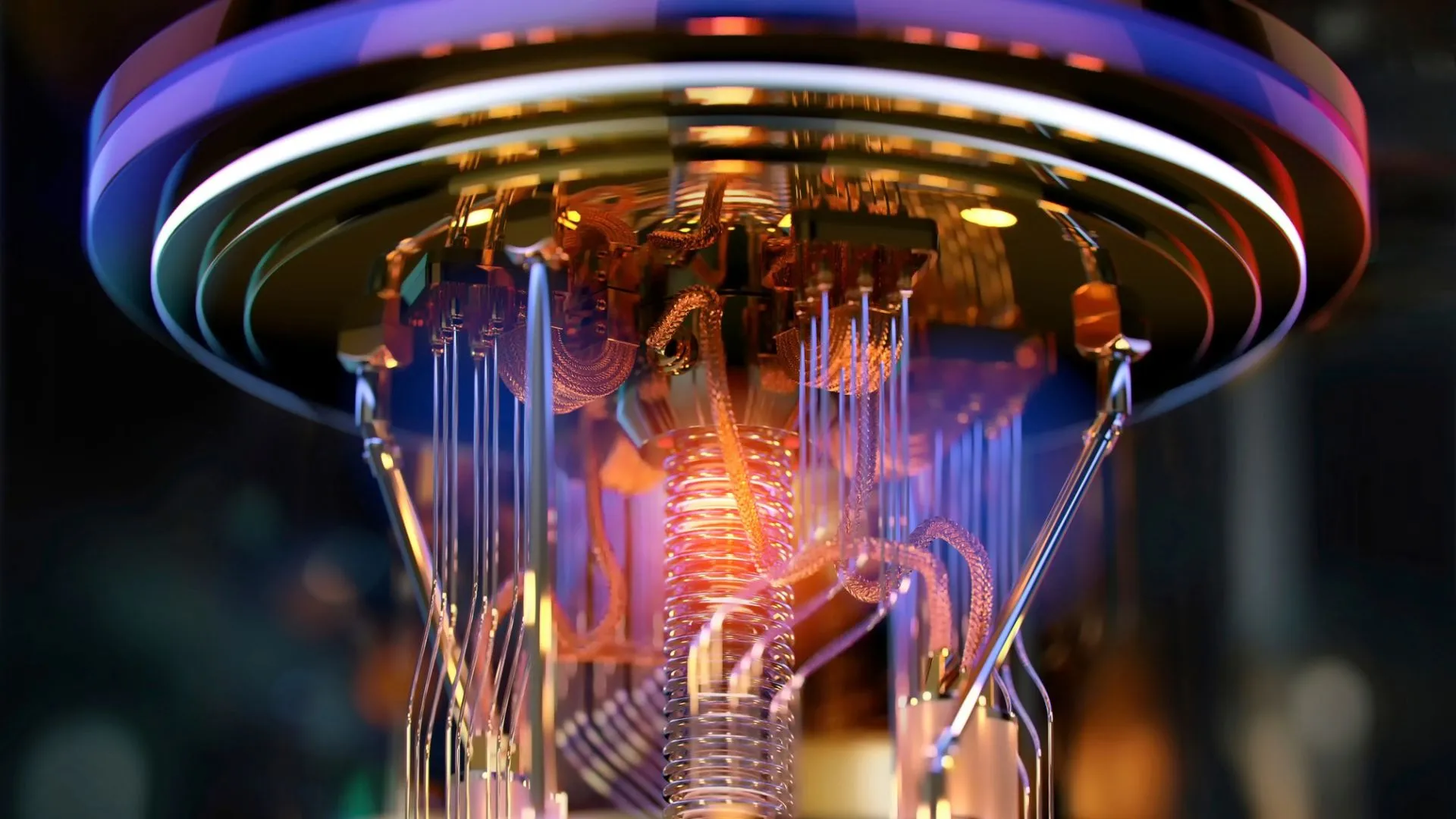
The Defense Advanced Research Projects Agency (DARPA) has added Atom Computing, Diraq, IonQ, and IBM to Stage C Verification for its Quantum Benchmarking Initiative (QBI). Advancing to Stage C means companies will move to physical testing of their fault-tolerant quantum computing (FTQC) architectures, and the initiative looks to roll out industrial-scale quantum computers by 2033.
Quantum computing is considered the next frontier in computing and is touted to help solve problems in drug discovery, materials research, and climate change. While conventional computers use binary bits that can only store values of 0 and 1, quantum computers use quantum bits or qubits that can simultaneously store multiple values between 0 and 1 and even compute with them in parallel.
This is highly advantageous, but it also creates a new computational challenge: the accumulation of a large number of errors. Scientists can create quantum bits in many ways, but high error rates remain the main challenge holding back large-scale quantum computers. The QBI is testing whether it is even possible to roll out these computers by 2033.
QBI consists of three stages, each being a major milestone towards the development of a fault-tolerant quantum computer. Its first stage, A, evaluates utility-scale quantum computing concepts to determine if they can be realized in the near term.
Participants who advanced to Stage B submitted research and development plans to DARPA elaborating on the risks of the approach and the actions they had planned to take to mitigate them.
In Stage C, participants will verify and validate their FTQC architectures through physical testing, system measurements, and empirical validation, while working with the government.
Source link





