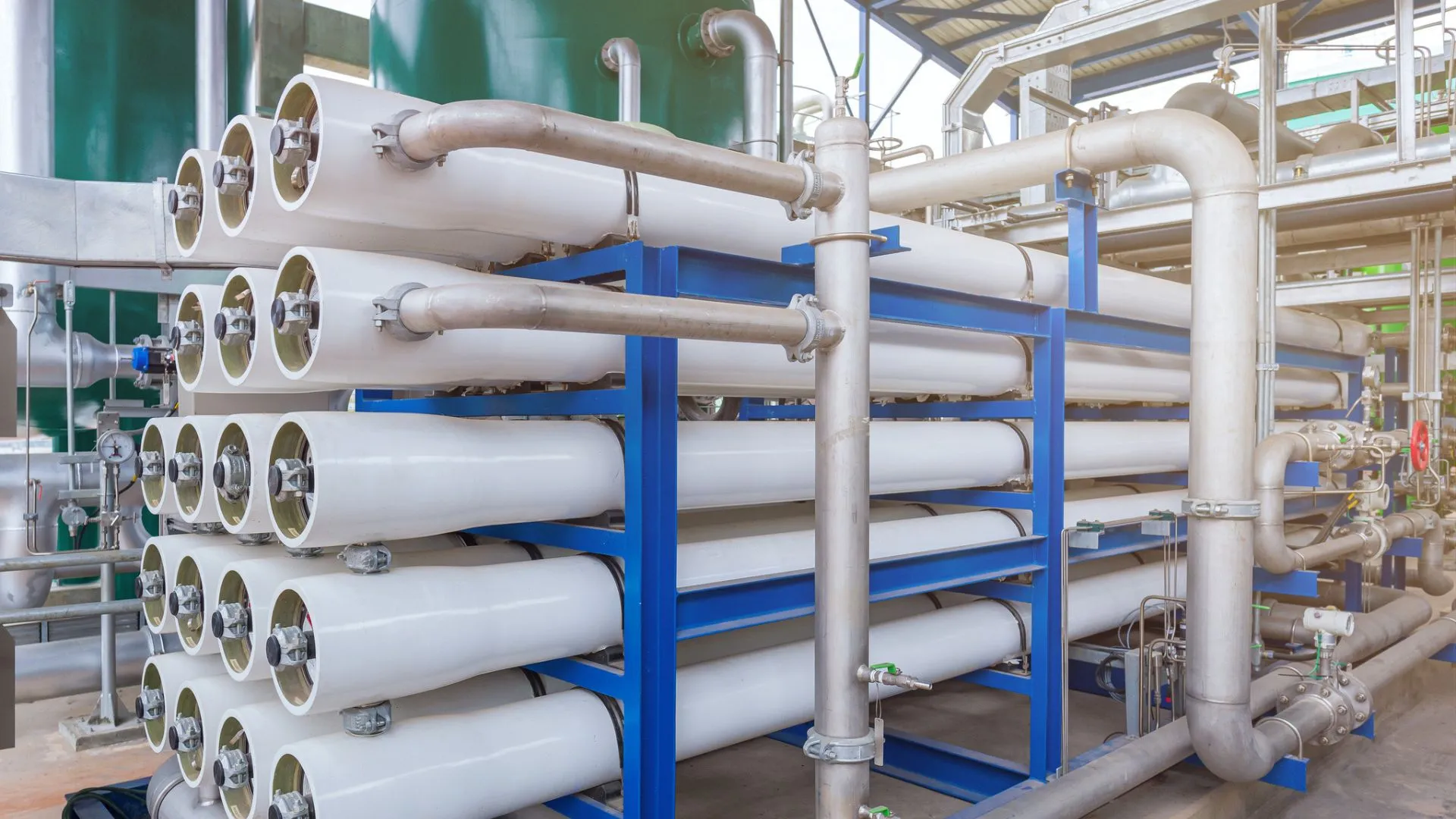
A large-scale desalination facility in the Caofeidian industrial zone of Tangshan, Hebei province (China), has entered trial production. Designed through a collaboration between Tangshan Sanyou Group and academic experts, the plant operates on a circular model that reclaims valuable chemical raw materials from toxic waste brine at a fraction of standard energy costs.
The facility reportedly cuts power demands by 60 percent and turns millions of tonnes of waste brine from desalination runoff into chemical salt.
Ultimately, this innovation transforms hazardous desalination waste into a profitable manufacturing resource, offering a long-term cure for marine pollution in Bohai Bay.
Desalination facilities extract pure water from seawater using technologies like reverse osmosis, which separates the water molecules from the rest of the ocean water. Since a major portion of the liquid is removed, the remaining solution retains all the original dissolved salts, heavy minerals, and cleaning chemicals in a much smaller volume.
This dense, hyper-saline discharge forms the toxic waste stream known as brine, carrying a concentration high enough to damage marine environments if dumped directly back into the ocean.
The South China Morning Post (SCMP) reported that the plant treats waste brine using a three-to-one conversion ratio.
Rather than pumping toxic discharge into fragile ecosystems, the plant operates on a strict circular model. S. S. S. tons) of hyper-concentrated brine with a salinity of 120 grams per liter.
Source link