Ruby Wang, a physician and biotech consultant in the U.K., on her upcoming book on the emergence of China as a global health superpower.
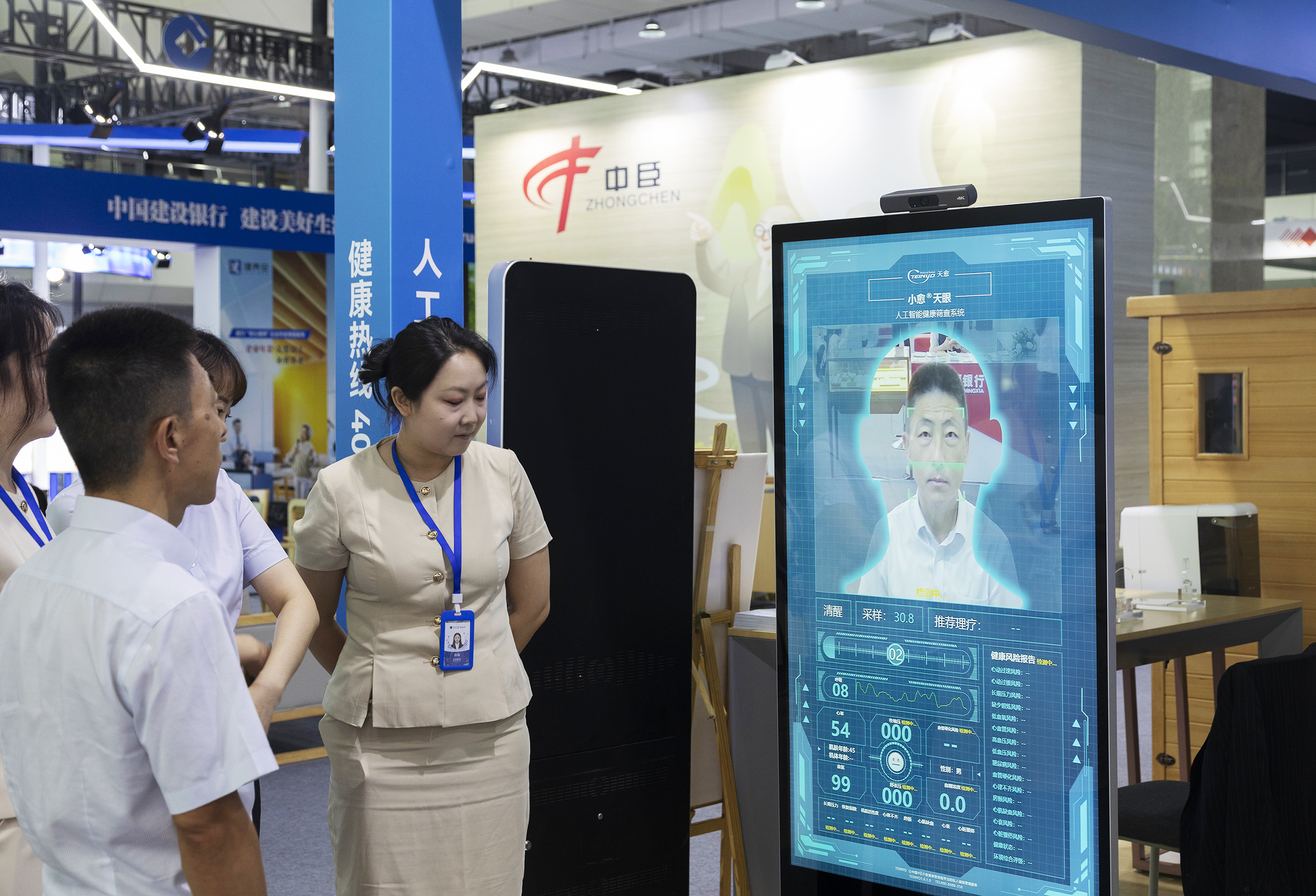
If you want to see a doctor in China, you’d first go to a mobile app. You can book an appointment at a hospital using the messaging app WeChat or payment app Alipay. You can also speak with a doctor on a telemedicine platform, or chat with the AI avatar of a doctor about everything from insomnia to diabetes.
The Chinese government has encouraged the expansion of digital healthcare services to provide care to the country’s 1.4 billion people, and address longstanding challenges such as an urban-rural gap in healthcare and a lagging primary care network.
With a strong biotech talent pool and an efficient clinical test system, China’s drug industry is having a breakthrough moment, as well. More clinical trials are being conducted in China than in the U.S., and China now accounts for half of global drug licensing deals, as Western pharmaceutical companies purchase rights to new medicines developed in China.
Globally, the rise of China’s prowess in health tech has been met with both awe and suspicion. Ruby Wang, a physician and consultant who has worked in health tech in China and across the world, writes about these tensions in her upcoming book China Cure: The Rise of a Biotech, AI Medicine, and Global Health Superpower . Wang spoke to Rest of World about China’s health innovation and what it means for the world.
Source link