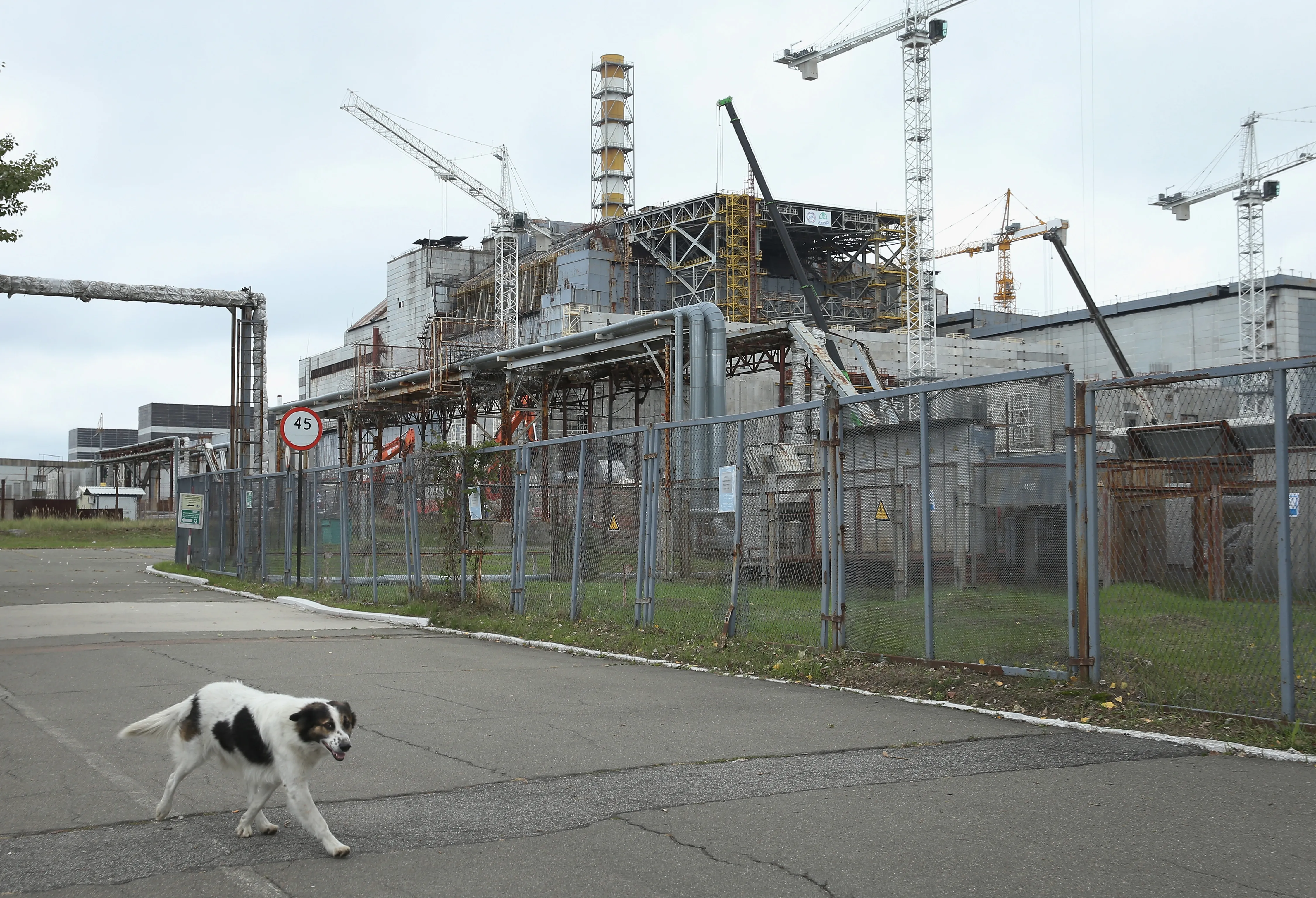
The dogs living near the disaster site of the Chernobyl Nuclear Power Plant are not like other dogs—at least as far as their genomes go. In recent years, researchers uncovered a unique genetic profile among this population, but what’s driven this distinction remained unclear.
The explanation that’s perhaps most tantalizing to a sci-fi author is that the persistent radiation at the nuclear site has caused mutations to accumulate in the dogs’ genomes. But there are other ways a population’s genetics can change over time, such as random drift or natural selection. A recent study published in the scientific journal Genes revisited these pups, searching for genetic patterns pointing to one of these processes.
The researchers compared the DNA from dogs living in the area right around the nuclear plant with genetic material from dogs living in the city of Chernobyl, about 16 kilometers away. They also compared these canines to other global dog populations. The contrast alone was extreme. The dogs in Chernobyl city “are more genetically similar to dogs in the Galapagos Islands than they are to the dog population” at the nuclear plant, said Megan Dillon, a postdoctoral researcher at North Carolina State University and first author of the study.
But more striking still, the comparison revealed that random chance alone could not explain the differences between the dog populations. Instead, it seems the dogs at the nuclear site have been experiencing natural selection.
“When I was first doing those analyzes, I had to kind of pause and was like, ‘Wow, I have to make sure I'm doing all of this right,’ because this is very interesting, very surprising,” Dillon said.
Source link