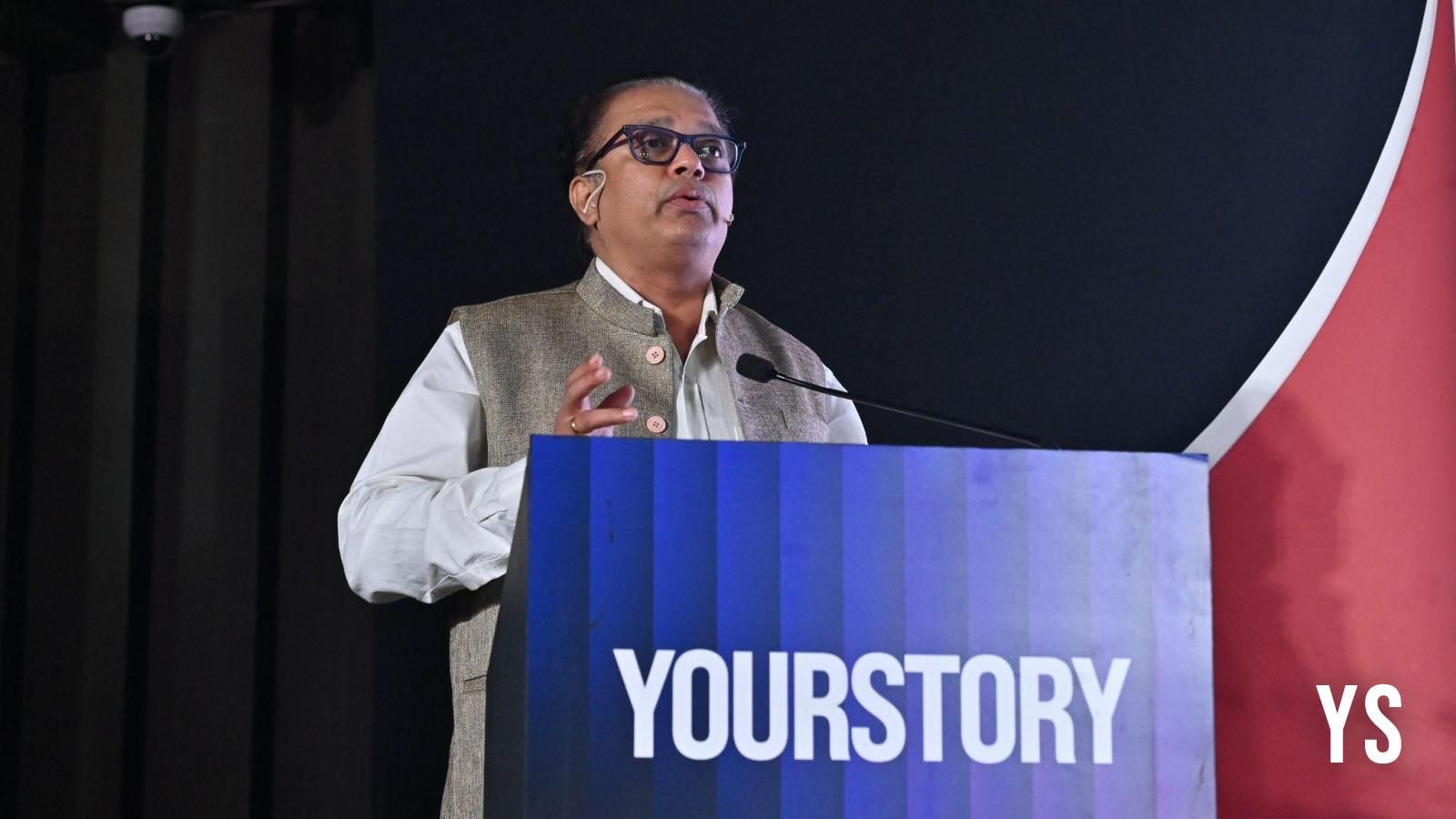
India's growth model is quietly severing the link between investment and employment, said K Yatish Rajawat, Co-founder of Hundred Million Jobs, a non-profit initiative to create 100 million net jobs in India over the next decade.
Capital is no longer creating jobs at scale, he said, at TechSparks, YourStory's flagship tech-startup summit.
The employment problem is different across cities, be it Delhi, Mumbai or Bengaluru, he observed. In Bengaluru, for instance, the debate is often around AI and its impact on jobs.
The damage began roughly a decade ago on the factory floors, driven by automation, he opined. Even a firm with a turnover of Rs 10 crore or Rs 50 crore now has robots, he said, and the machines are constantly evolving and getting better. They no longer simply move a widget from one point to another. They respond to their surroundings, and handle a range of materials, including cloth and paper, not just sheet metal, said Rajawat.
Even labour-intensive work such as welding and forging has been impacted due to automation, he said. He expects services to follow suit.
Referring to a book by Nobel Prize winners and MIT professors, Daron Acemoglu and Simon Johnson, Power and Progress: Our Thousand-Year Struggle Over Technology and Prosperity, Rajawat said while technology eventually adds jobs, it does so with a lag.
The people who lose work, he argued, are rarely the ones who gain from the new roles being created. While someone in their twenties may adapt to the shift, an employee in their forties or fifties is unlikely to do so, he added.
Source link