

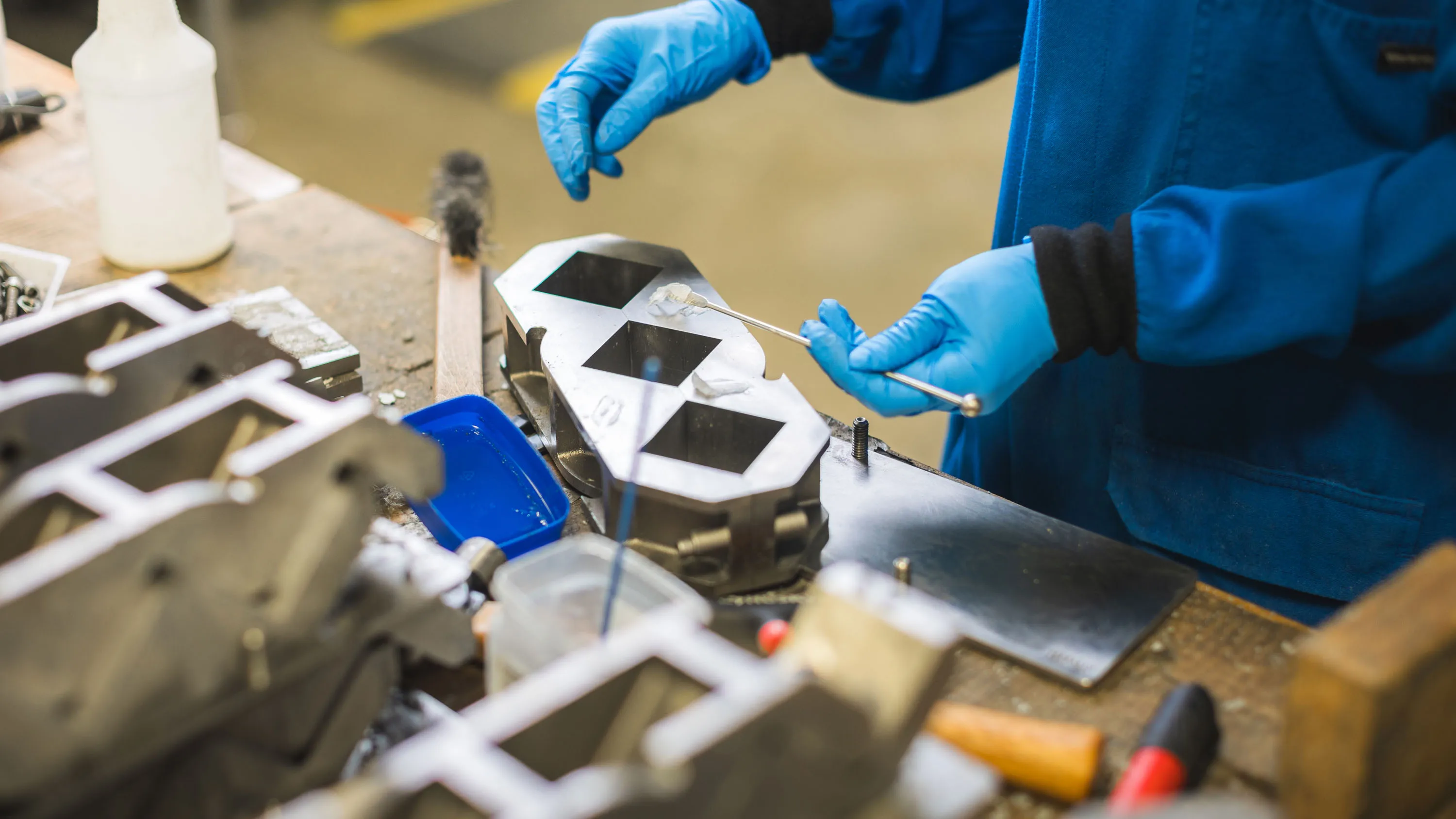
Brimstone is making strides on two industrial problems, reducing the emissions from cement and providing a way to produce more critical minerals within the US. If the company can do both, with the same rocks in the same plant, it would unlock a cleaner and more efficient process for manufacturing building materials, aluminum, steel, and more.
Brimstone is a code-switching climate tech company for these polarized political times. The US-based startup—part green cement company, part critical mineral producer—is well positioned to sustain its momentum no matter which party is in power.
During the more climate-focused Biden administration, the company’s primary pitch was its ability to produce cement while generating about 60% less greenhouse-gas emissions. It achieves this by switching to silicate rocks instead of standard limestone, which releases carbon dioxide when it’s heated. The conventional process for creating cement, the binding used to produce concrete, contributes about 8% of the world’s carbon dioxide pollution.
Under the protectionist and climate-denying Trump administration, however, the company is now stressing the secondary benefits of its process: the ability to extract other valuable materials from those same silicate rocks.
The company has said for years that its process could also generate materials that can be used to strengthen cement. But in early 2025, Brimstone highlighted that it would be able to also produce smelter-grade alumina, the raw material used in aluminum.
It then revealed it had another trick up its sleeve late last year : the ability to make steel, magnesium, titanium, and other critical minerals from the same rock in a single refinery.
Source link





