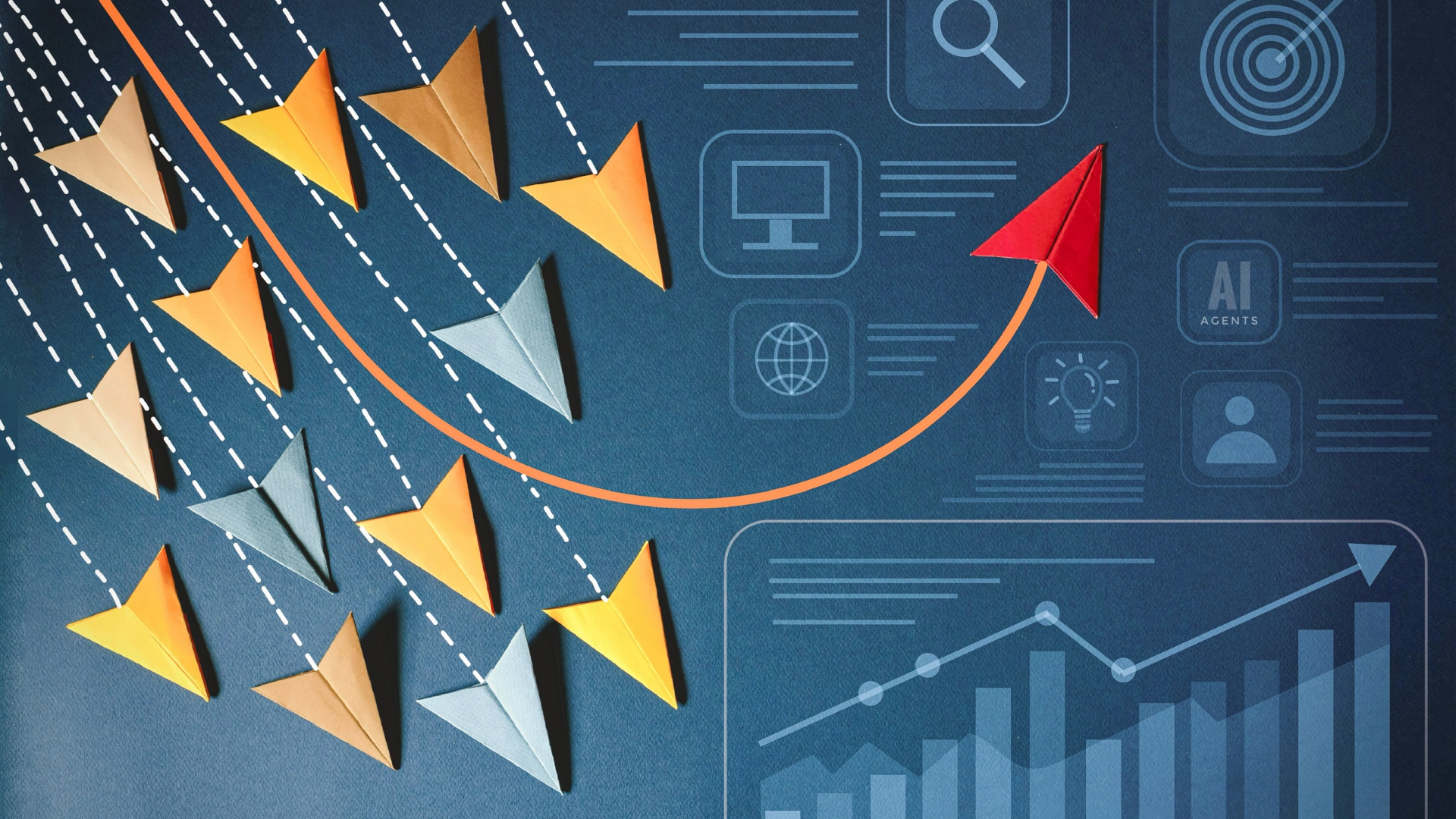
Walk through New York City this fall and count the advertisements not selling artificial intelligence. Subway cars, bus shelters, billboards: Every surface pitches a model, an agent, a muse. And the images themselves are increasingly generated by AI rather than photographed. Every panel I have sat on this year has asked the same questions: How much AI should go into the work, and where?
My brand consultancy firm, the bread and butter, spent months this year on a project where those questions never came up. That absence is the most interesting thing about the work.
The client is a premium eyeglass lens manufacturer with an exceptional product, measurably the best in its category. For its entire history, the company communicated that fact through specifications: refractive index figures, precision measurements, and comparative charts.
The people who buy premium lenses are not waiting to hear whether a brand uses AI. They want to understand what makes the product better and worth paying for, in language that respects their intelligence without demanding their research time. Call it sober authority: the confidence to state little and be believed anyway.
Our proposal mapped personas of high-end consumers, then designed the brand they aspired to: the Hermès of lenses. Hermès sells handbags, but its imagery sells a fairy tale luxury that touches longing instead of listing features. Our concept, “profound vision,” treated the lens as a way of seeing rather than a product to describe. The photography showed what lies beyond it—details visible only to those with the sensibility to notice them.
Source link