For years, NASA hoped to bring humans back to the moon’s surface, and Artemis III was going to be the mission to accomplish this feat. That will no longer be the case.
Following the successful Artemis II flyby last April, the program’s schedule was revised. According to the most recent announcements, the next mission will have to wait until 2028, and while the new plans are admittedly less spectacular than a lunar landing, they’re hardly dispensable.
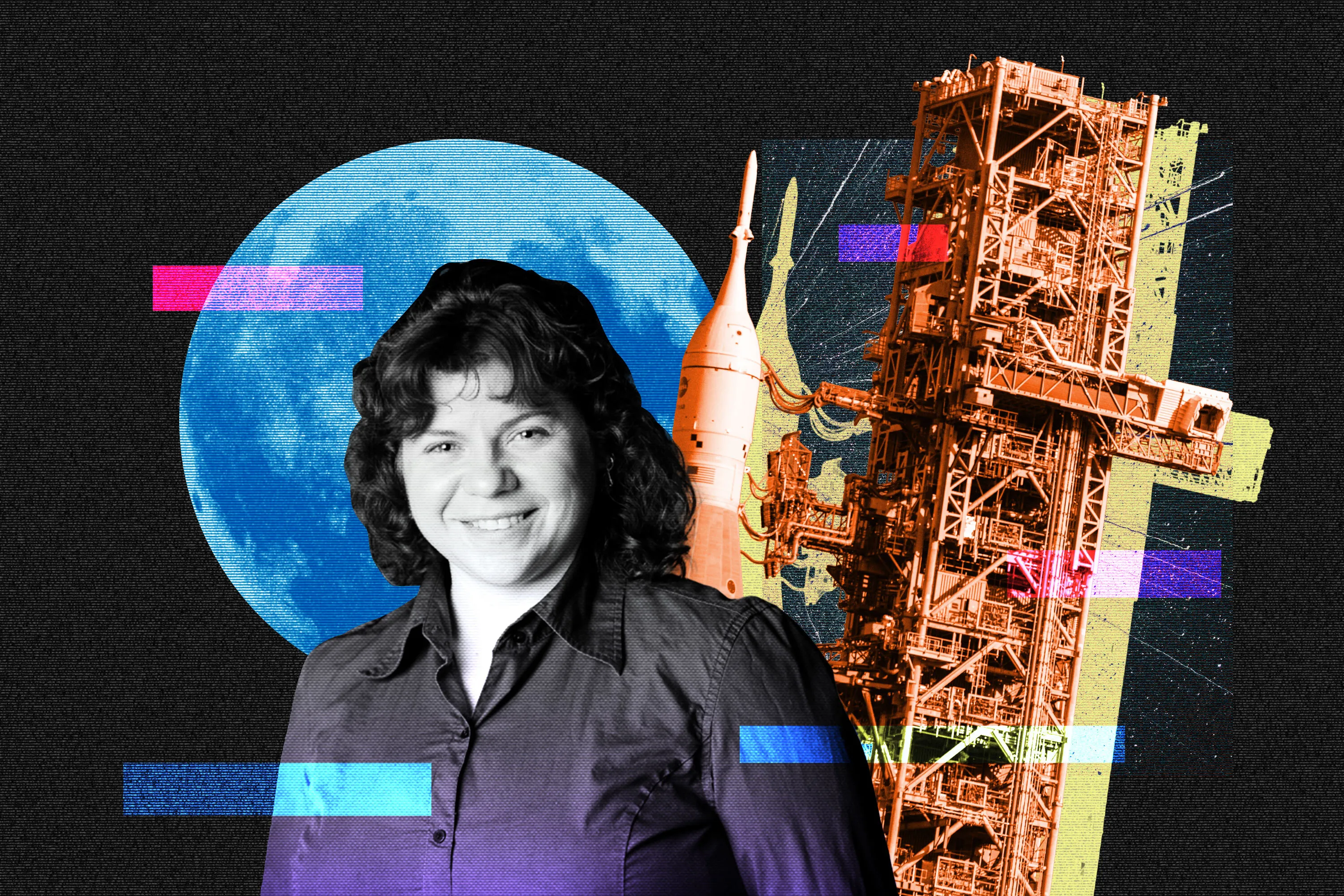
In 2027, NASA plans to test in Earth orbit whether the Orion capsule can safely rendezvous and operate with commercial lunar landing systems from SpaceX and Blue Origin before attempting those same maneuvers around the moon. WIRED en Español spoke with Barbara Cohen, a scientist on the Artemis III project, to better understand this upcoming mission—the conversation ranging from the role humans still play in the face of increasingly capable robots and sensors to what we can learn about the solar system’s violent past from traces preserved on the moon.
Members of the Artemis II lunar science team, from left to right, Ryan Ewing and Barbara Cohen, react to the crew’s observations during the lunar flyby on April 6, 2026
JORGE GARAY: What should people expect from Artemis III, and why does this mission matter even if it won’t land astronauts on the moon?
BARBARA COHEN: Artemis III is an Earth-orbiting mission. That’s the one that’s coming up next. We will send the Orion capsule to Earth’s orbit with the people in it. Blue Origin and SpaceX are the companies that are making the lunar landers, so each one of those companies will make a test article.
Source link