Ever since Windows 8 paved the way for touchscreen laptops, Apple’s been against them. And the company hasn’t exactly been shy about making its feelings known.
“It gives great demo, but after a short period of time you get fatigue,” Steve Jobs said in 2010. “It’s ergonomically terrible.”
“Lifting your arm up to poke a screen is a pretty fatiguing thing to do,” Craig Federighi, Apple’s senior vice president of software engineering, told Wired in 2018, adding that he didn’t anticipate ever being into the idea.
“We make the world’s best touch computer on an iPad,” John Turnus, Apple’s current CEO and former senior vice president of hardware engineering, told the Wall Street Journal in 2021. “And the Mac is totally optimized for indirect input. We haven’t really felt a reason to change that.”
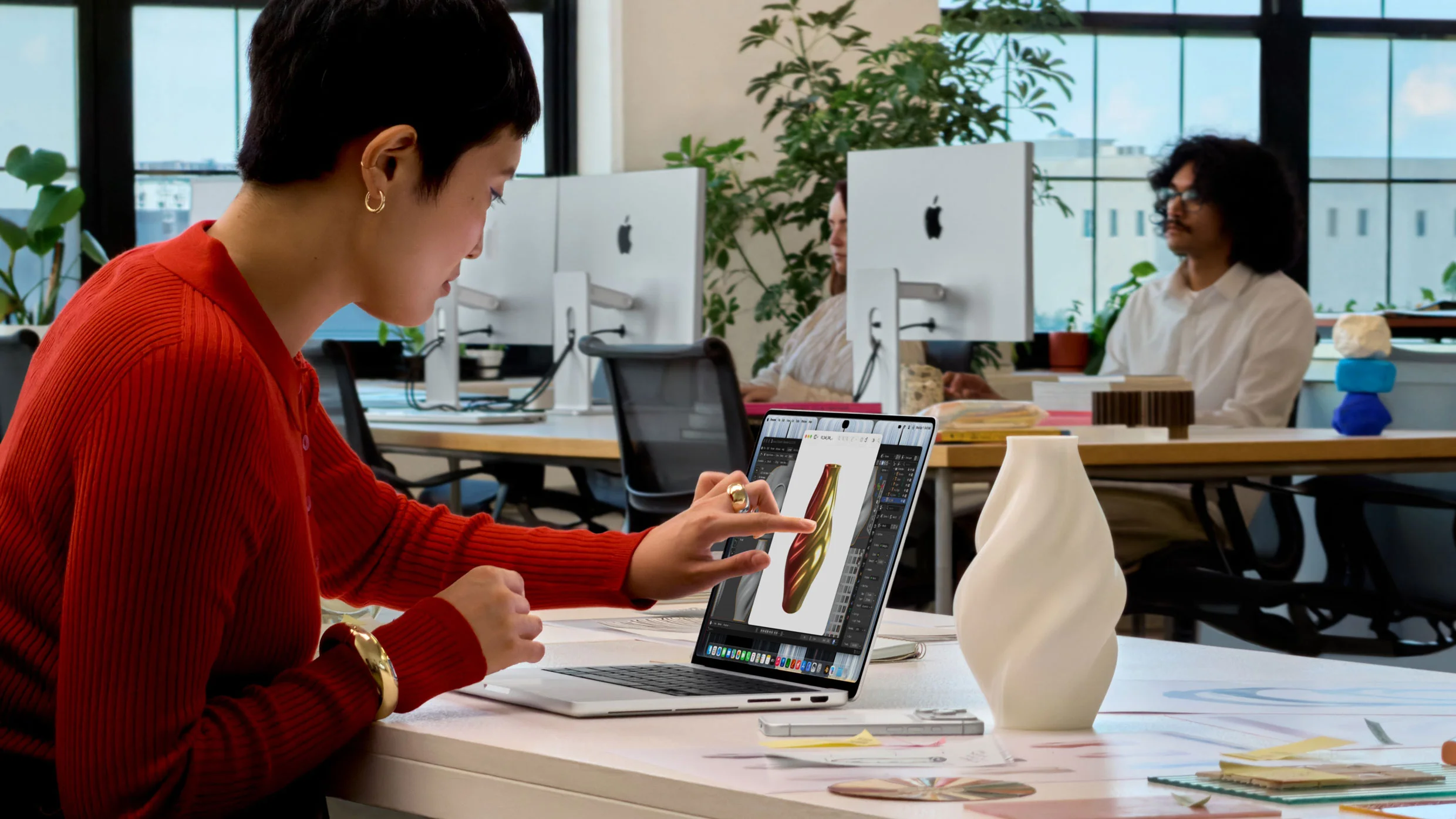
With the newly unveiled MacBook Pro with PROLED XDR Display, Apple has done what its executives spent more than a decade arguing against: putting a touchscreen on a Mac. As for what finally changed Apple’s mind, the simplest explanation may be that the company is just getting with the times.
Typically when Apple enters an existing product category, it tries to address where its rivals have gotten it wrong, especially when it comes to how users interact with the device.
With the iPhone Duo, for instance, Apple used a “nano-texture” finish to minimize the crease and reflections found on other foldable phones, and it came up with a new interface to facilitate one-handed use on the outer screen.
Source link