
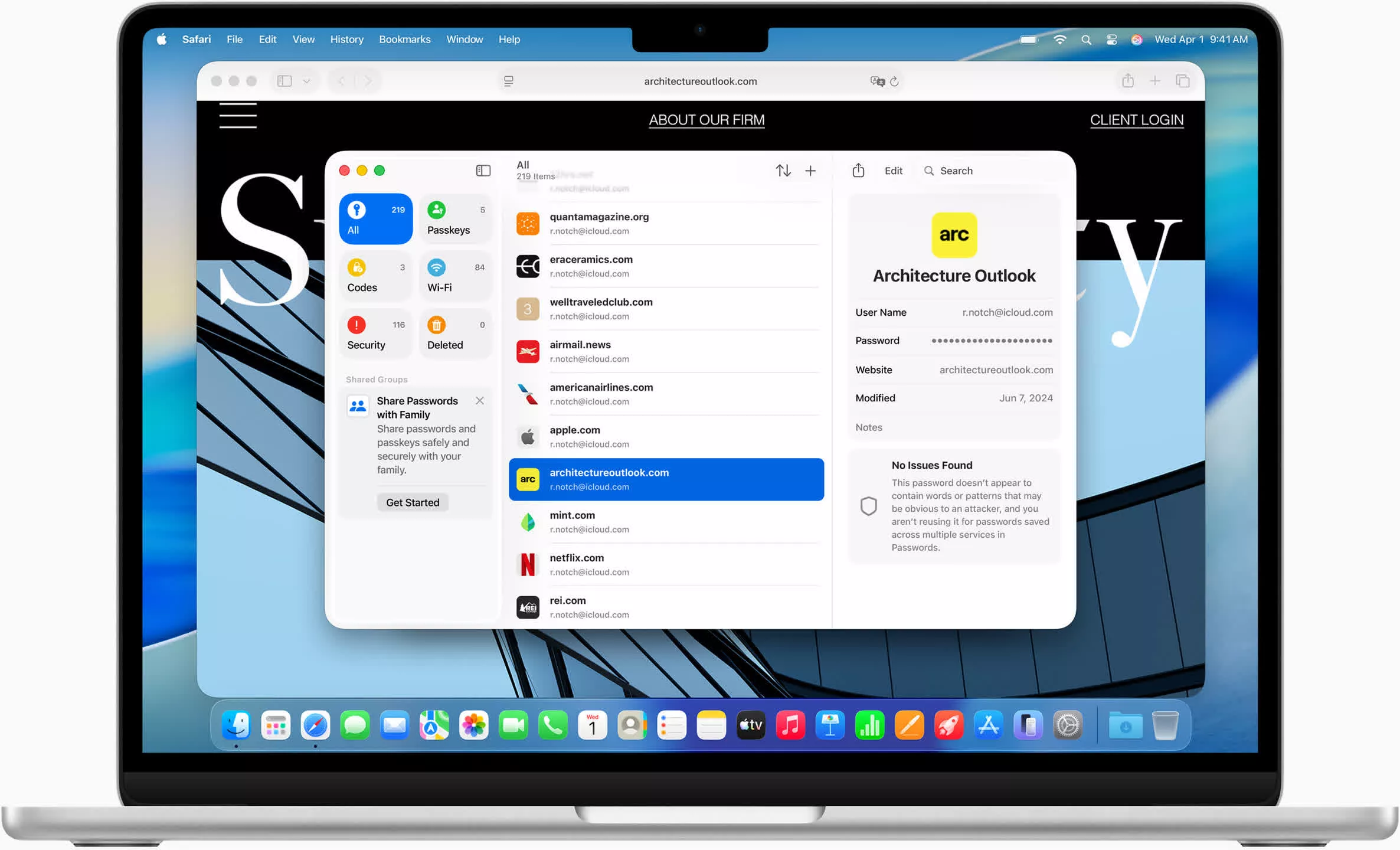
The takeaway: Apple is making a fresh pitch to Chrome users: switch to Safari and spend less time plugged in. Its newly launched "Stay on Safari" campaign promises up to five additional hours of video streaming on a Mac, faster page loads, and stronger default privacy protections. The question is whether these gains in efficiency and privacy are enough to lure users away from the tools and features that keep them loyal to Chrome.
StatCounter figures put Chrome's browser market share at 66.36%, compared with Safari's 18.27%. Apple's campaign aims to narrow that gap by making browser efficiency a more prominent consideration.
The campaign challenges Chrome's dominance with an argument rooted in Apple's control over its hardware and software. Apple develops Safari's WebKit engine for its devices, allowing it to optimize the browser for its own chips. That gives the company a direct way to improve power efficiency and performance, although its advertised results apply to specific tasks rather than every type of browsing.
Apple claims Safari loads frequently visited websites up to 35% faster than Chrome on macOS. Its test used snapshot versions of 12 popular websites under simulated network conditions. The computers were 15-inch MacBook Air laptops equipped with M5 chips and 16GB of unified memory.
Those details limit what the figure tells us about everyday use. The comparison does not establish a 35% improvement across all websites, Macs, or internet connections. Instead, it measures performance across a selected group of sites on a specific hardware configuration.
Source link