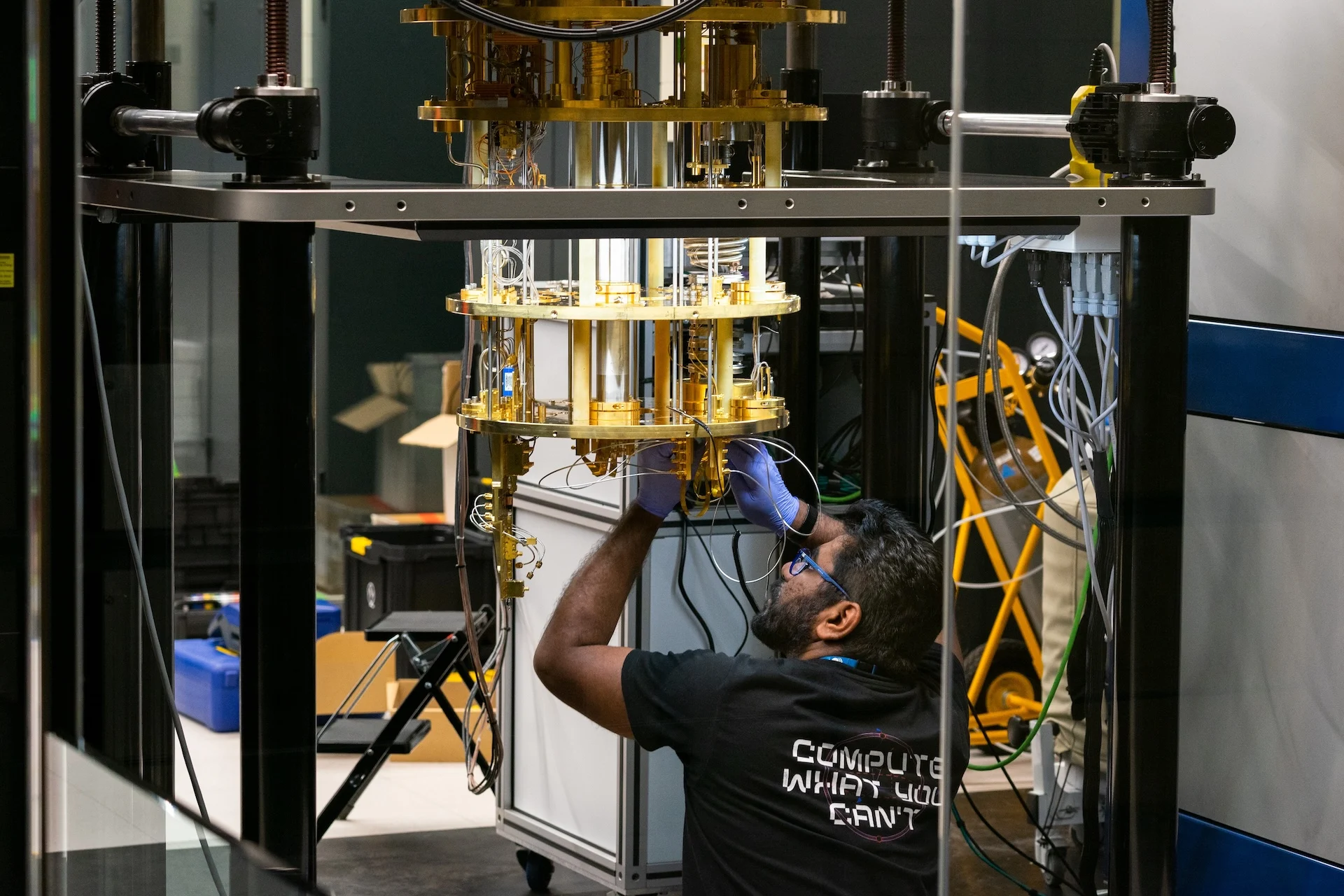
Over the past couple of years, people in the crypto world have become increasingly concerned that a sufficiently powerful quantum computer could one day unlock vulnerable Bitcoin, including founder Satoshi Nakamoto’s unmoved coins. In response, some of the largest players in the industry, such as Coinbase, have started putting resources toward solving the potential security issue.
Now Coinbase has gotten more specific. In a blog post published Tuesday, the exchange outlined the particular features it would like to see in a plan to protect Bitcoin from quantum computers. Its wish list:
“We believe a comprehensive transition strategy would ideally protect exposed and newly created funds, fit Bitcoin’s scarce block space, preserve independent resource-bounded validation by full nodes, work in institutional custody, support ordinary wallets, and give the ecosystem a credible migration path for coins that cannot or will not move.”
From there, the company broke its perspective down into seven points. Most notably, Coinbase wants a flexible design that separates the container holding coins from the signature scheme itself, so post-quantum signature systems can be added or swapped out later.
Coinbase would also welcome a staged transition. That would include a 1-of-2 setup in which the same funds could be spent with either a classical key or a post-quantum key, as well as signature schemes compatible with multi-party computation (MPC), the key-splitting technique Coinbase and many of its institutional customers use to guard against theft. The list also covers starting preparations well before a cryptographically relevant quantum computer (CRQC) arrives, keeping a stateless signature option available, robust implementations, and a path for wallets that migrate late.
Source link