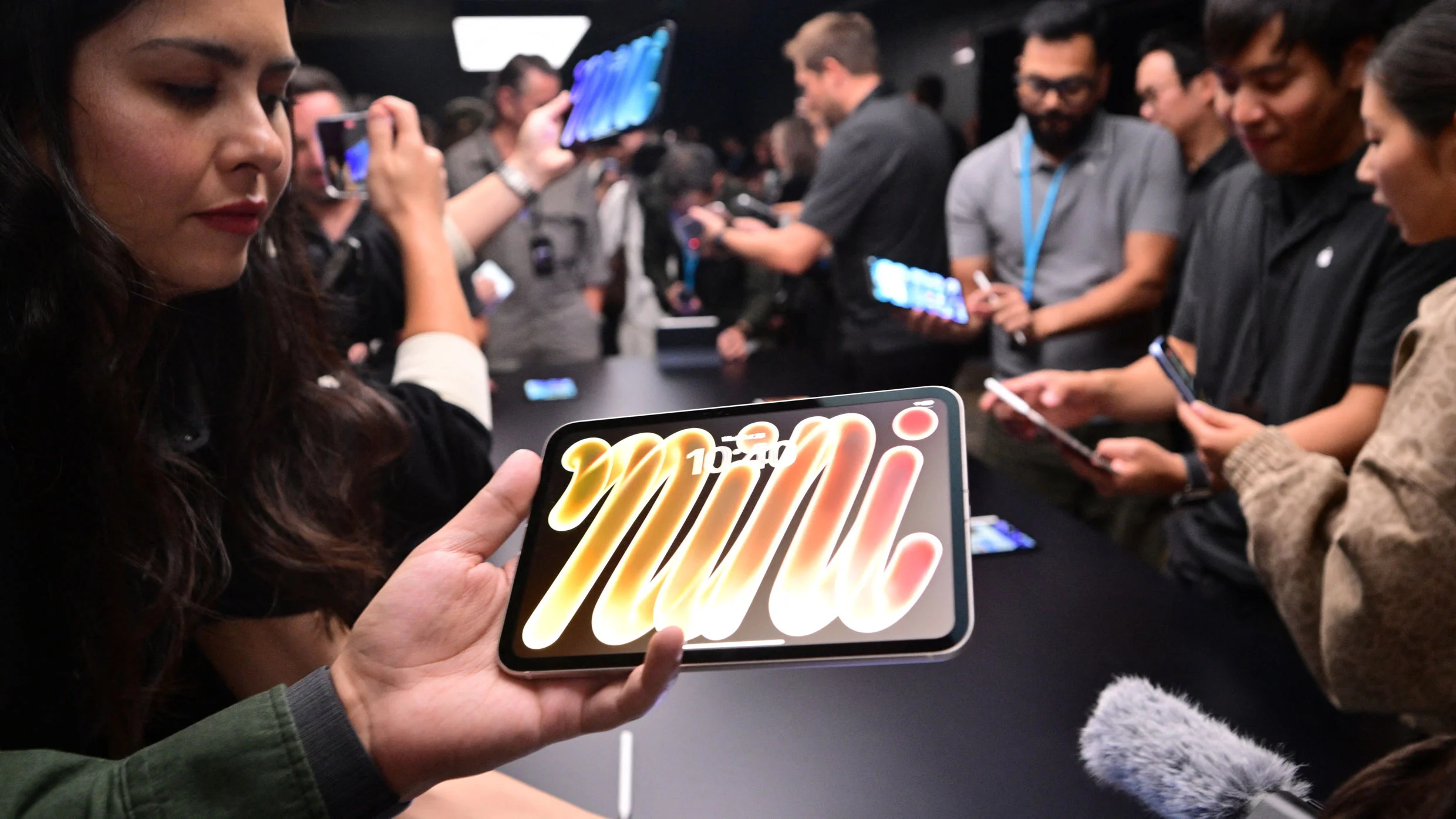
On paper, there’s a lot to like about the new iPad mini that Apple announced this week. Now in its eighth generation, Apple is calling the latest model the biggest upgrade in the product’s history, and that actually feels like a reasonable claim.
The most eye-catching addition to the new iPad mini is an 8.5-inch OLED display that fits into about the same footprint as the previous 8.3-inch LCD model due to 24% thinner bezels. The device itself is also thinner, dropping from 6.3 millimeters to 5.4 millimeters, while weight has been reduced by 14% to 255 grams. That’s a big improvement for a tablet many people would use for one-handed reading.
Apple didn’t skimp on the internals, either. The new mini jumps three silicon generations, from the A17 Pro to the 2-nanometer A20 Pro chip that’s also in the iPhone 18 Pro. Apple gave the mini Wi-Fi 7 and Bluetooth 6 through the in-house N1 wireless chip, as well as using its own C2 5G modem. There’s also an “Acoustic Display” speaker system that vibrates woofers through the panel and helped Apple achieve an IP67 water- and dust-resistance rating, in a first for an iPad.
But for all these legitimate upgrades, Apple left out one feature that anyone with a recent iPhone is likely to notice as soon as they start scrolling. The 2026 iPad mini’s OLED screen is still locked at 60 Hz, with no support for Apple’s 120 Hz ProMotion variable refresh rate technology, which gives a much smoother experience on iPhones and the iPad Pro.
Source link