AI proponents like Bill Gates and Jensen Huang have suggested that AI could one day lead to shorter workweeks.
Even critics like Sen. Bernie Sanders have renewed calls for a 32-hour workweek as AI threatens to transform the labor market.
“At a time when artificial intelligence and robotics will radically transform our economy, it is imperative that the financial gains from this new technology benefit working families, not just a handful of billionaires and corporate CEOs. One important way to do that is through a 32-hour workweek with no loss in pay or benefits,” Sanders said in September.
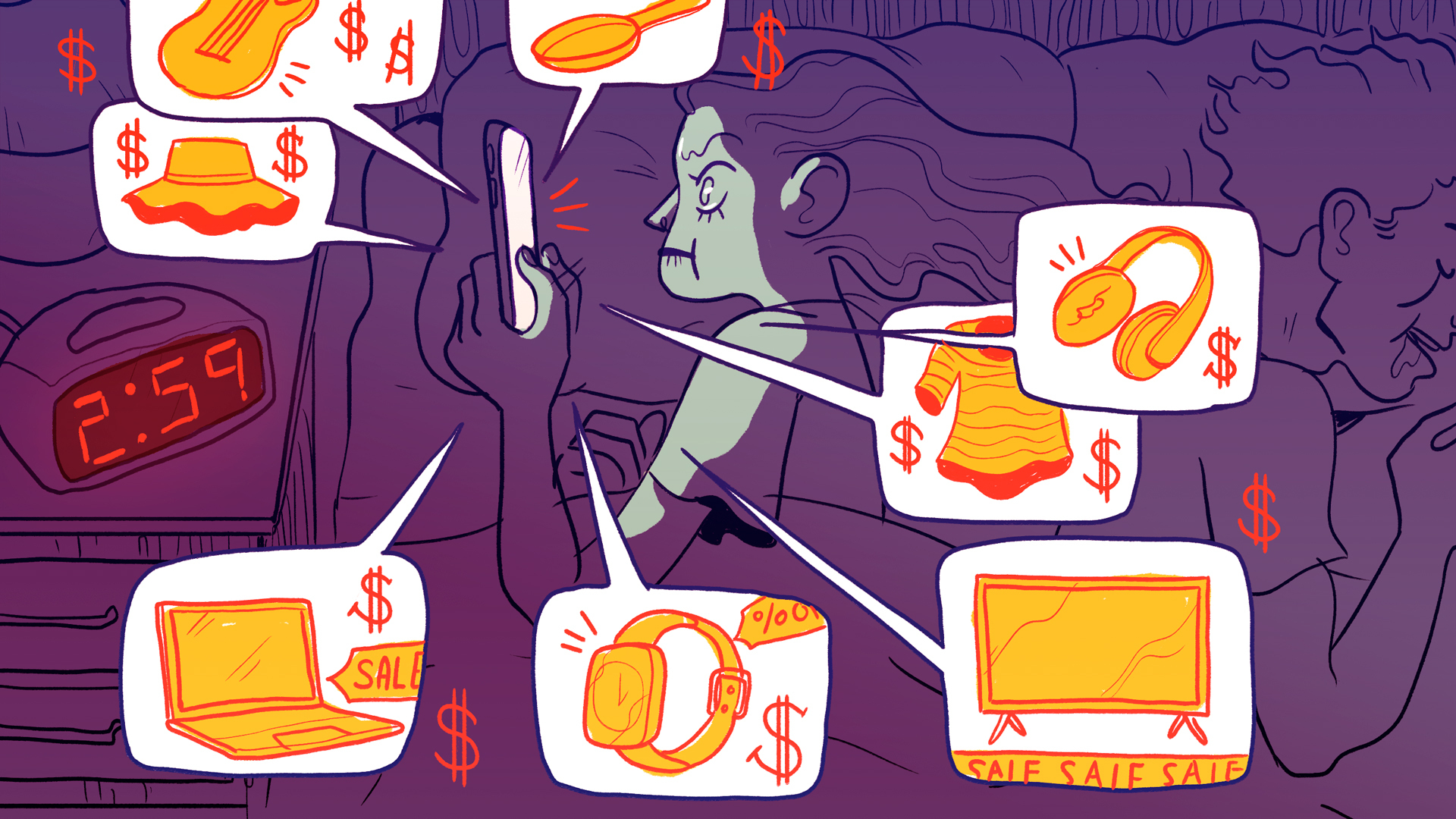
But for now, new research suggests people who use AI work longer days than those who don’t.
A new analysis published last week by workplace productivity software company ActivTrak found that AI users work up to 90 minutes longer each day than non-users.
The analysis examined digital work activity from more than 9,000 employees at 467 companies between April and September. It found that AI users’ workdays spanned an average of 8.4 to 9.1 hours, compared with 7.6 hours for non-users.
Heavy AI users, defined as employees who use AI for more than 45 minutes across at least five sessions a day, also spent an additional 18 minutes working after hours compared with non-users. They also switched between applications more frequently than non-users and had shorter periods of uninterrupted work than light AI users.
“AI may help employees complete tasks faster, but our research shows it contributes to longer workdays, more application switching and shorter focus sessions,” Gabriela Mauch, chief customer officer and head of the ActivTrak Productivity Lab, said in a press release .
Source link