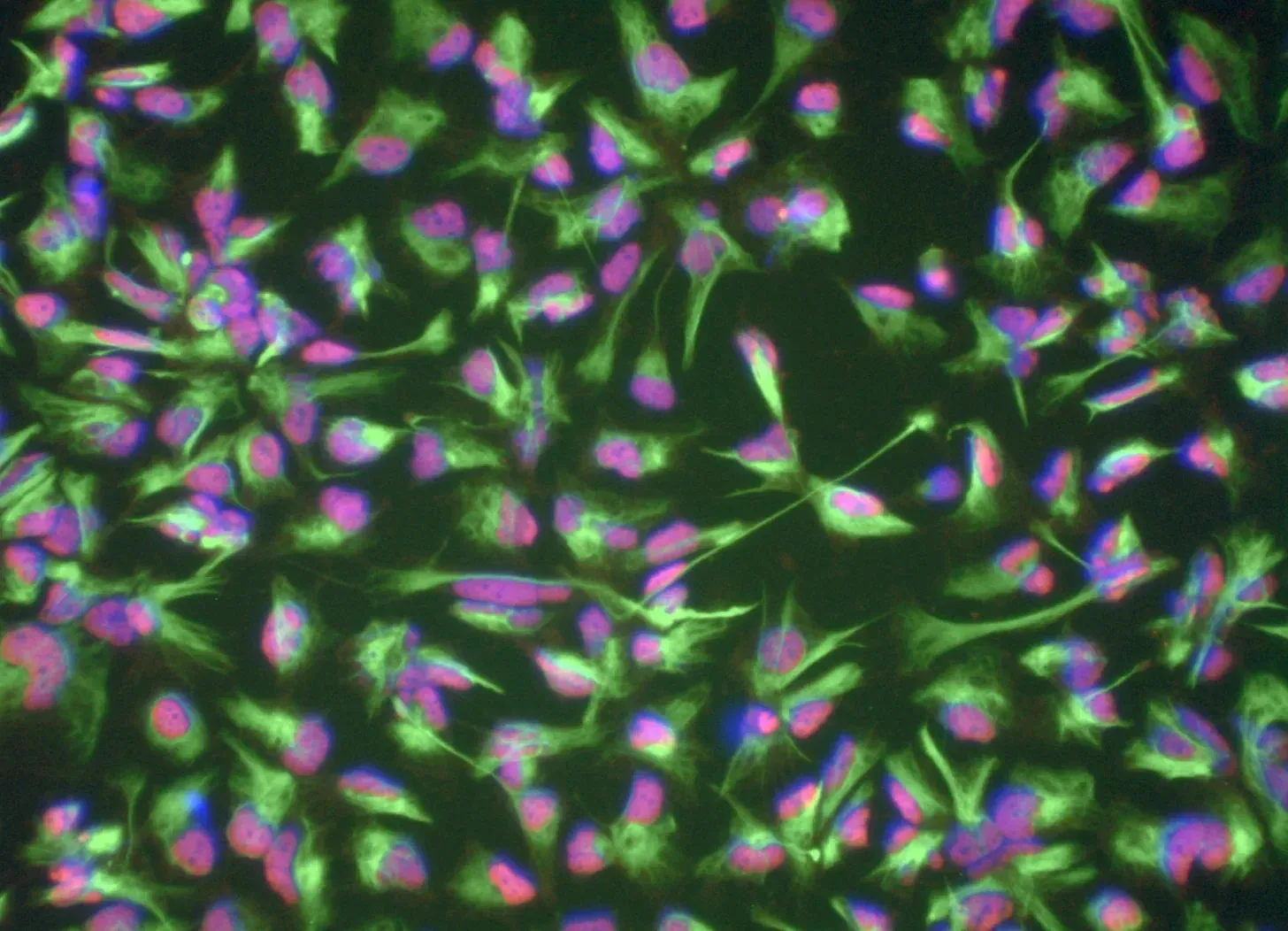
Scientists have long known how to make cells younger—at least in the sense that adult cells can be converted into pluripotent stem cells very similar to those found in embryos. While this capability has been foundational for biological research, these methods aren’t viable for anti-aging technologies, for a few reasons.
“You don't want to have a pluripotent cell in your body, because it can become all types of cells,” says Oliver Brüstle, a professor who studies stem cells at Germany’s Bonn University.
Additionally, the few key genes involved in the stem cell conversion process can drive the formation of cancer if left active. That’s why Brüstle and his team have looked for other ways of de-aging cells without going through a pluripotent state. In their recent study published in Aging Cell, the researchers started with blood cells from people of various ages, including an infant and a 101-year-old donor.
They guided these cells into a younger state but not all the way toward becoming embryonic-like stem cells. And as this transformation progressed, the chemical signals in the DNA that help estimate a cell’s age also changed. In less than two months of reprogramming, one biomarker in particular was set back as far as 60 years.
Aging continued to reverse even when the scientists drastically reduced the cells’ ability to multiply. Therefore, the apparent rejuvenation can’t be explained solely by the fact that the cells were dividing and producing new cells over and over again. However, the mechanism that did erase these signs of aging is still unclear.
Source link