
All products featured here are independently selected by our editors and writers. If you buy something through links on our site, Gizmodo may earn an affiliate commission.
Artificial intelligence or AI started out in the 1950s as an observation about the potential capabilities of computer systems. It evolved into an area of inquiry within computer science. Eventually, when some of the technologies most associated with AI began to have commercial applications, it became generally understood that AI mostly refers to neural networks, deep learning, LLMs and the revenue-generating applications—notably chatbots, image generators, and coding applications—derived from and associated with those.
Superintelligence is a completely different—in many cases utterly unrelated—concept: a hypothetical form of intelligence superior to humanity’s. In its earliest uses, from the 19th century, the meaning was something like “God’s will” or more generally some unknowable force controlling the universe. Artificial superintelligence has been a concept in science fiction for decades, but a 2014 book by Nick Bostrom called Superintelligence: Paths, Dangers, Strategies brought the two concepts together in a semi-serious way, and became a staple of AI culture in Silicon Valley during the lead-up to the post-ChatGPT investment feeding frenzy that led to our current all-AI-all-the-time discursive environment. But a month ago, no one doing serious work in AI would have said the two concepts were one and the same, or even close.
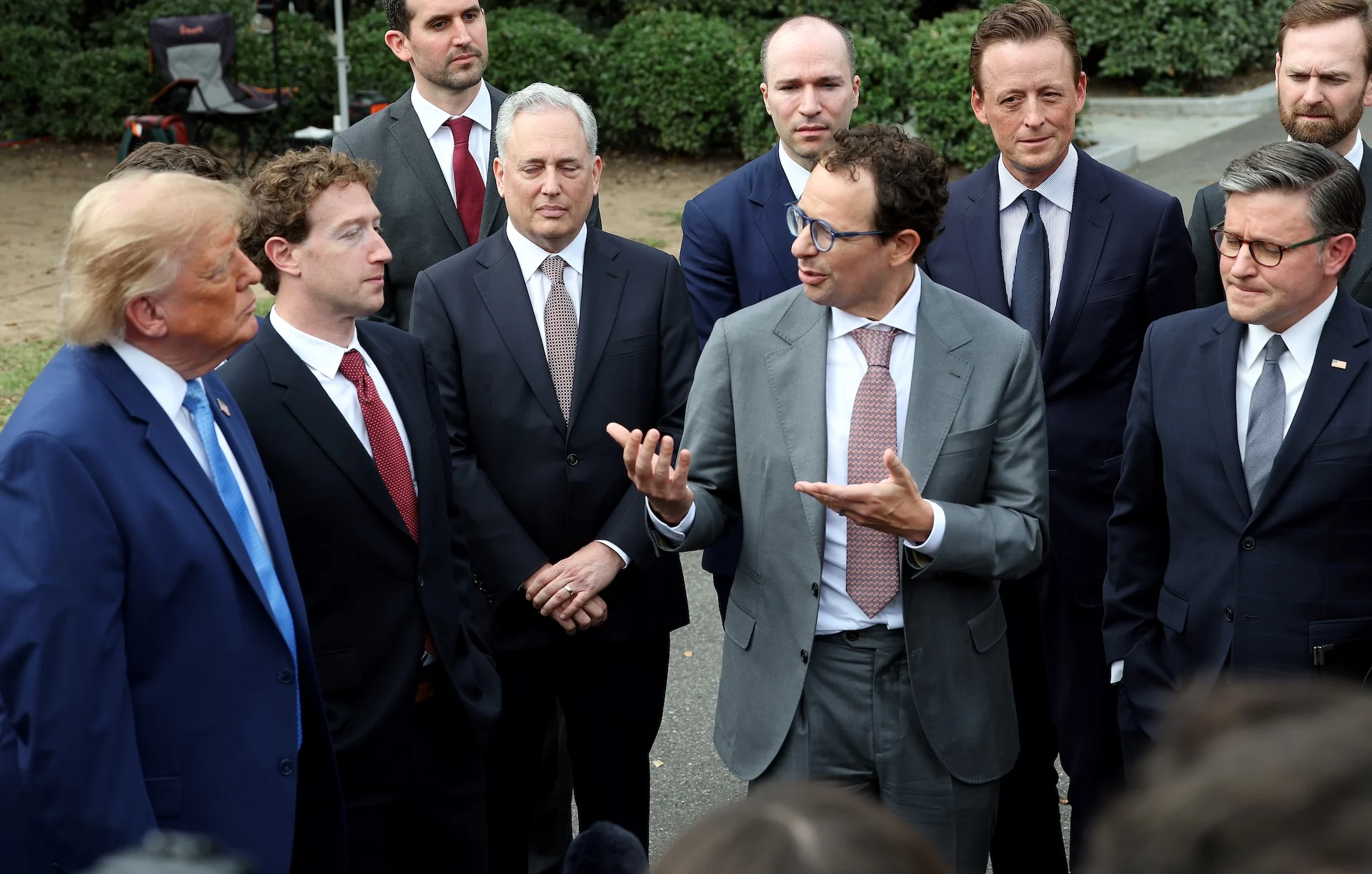
S. President, Donald Trump, decided last month that he didn’t want to call artificial intelligence “artificial intelligence” anymore, and that he wanted to use his own alternative phrase instead: “Super Intelligence,” which is two words in title case.
Source link





