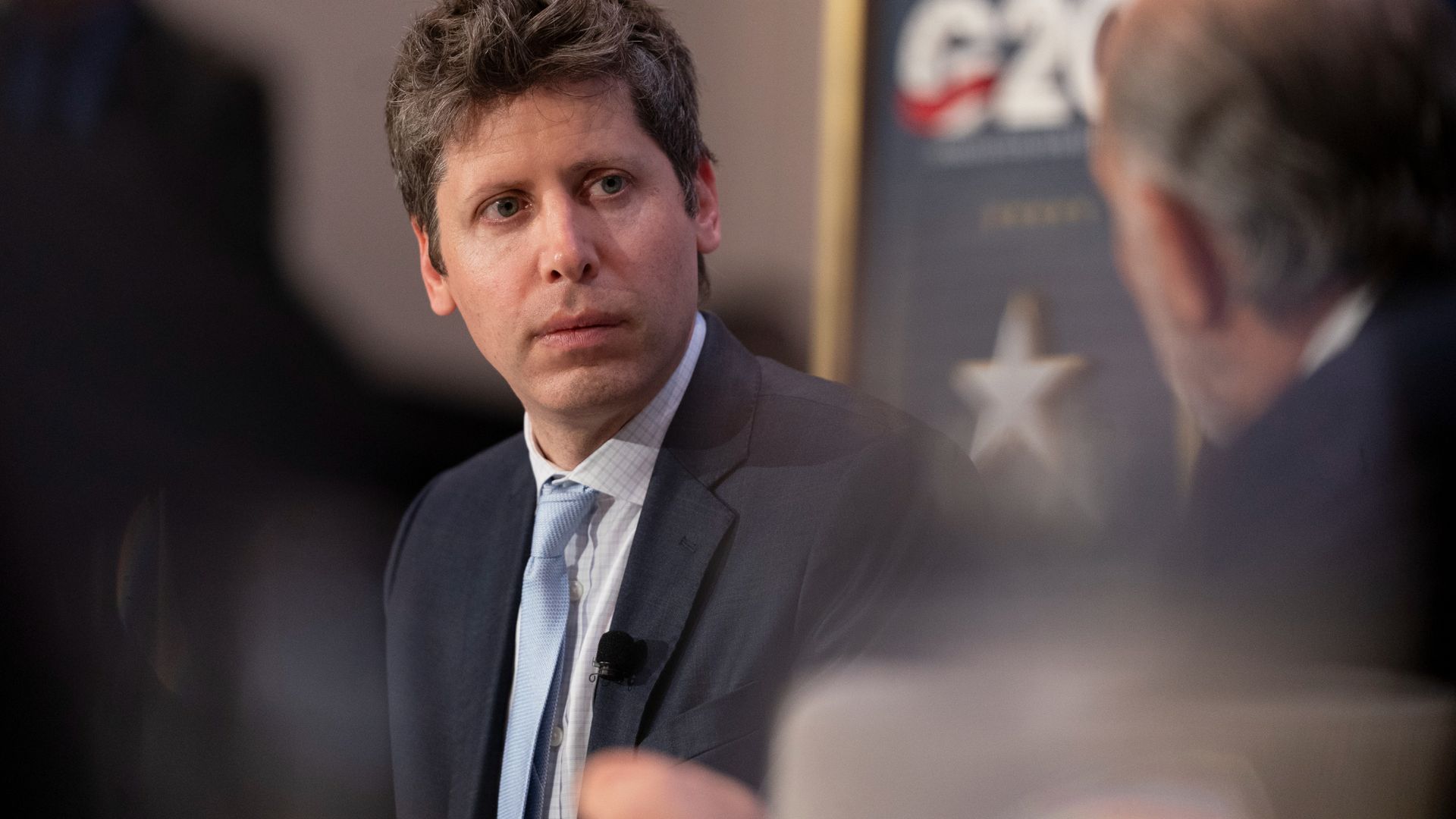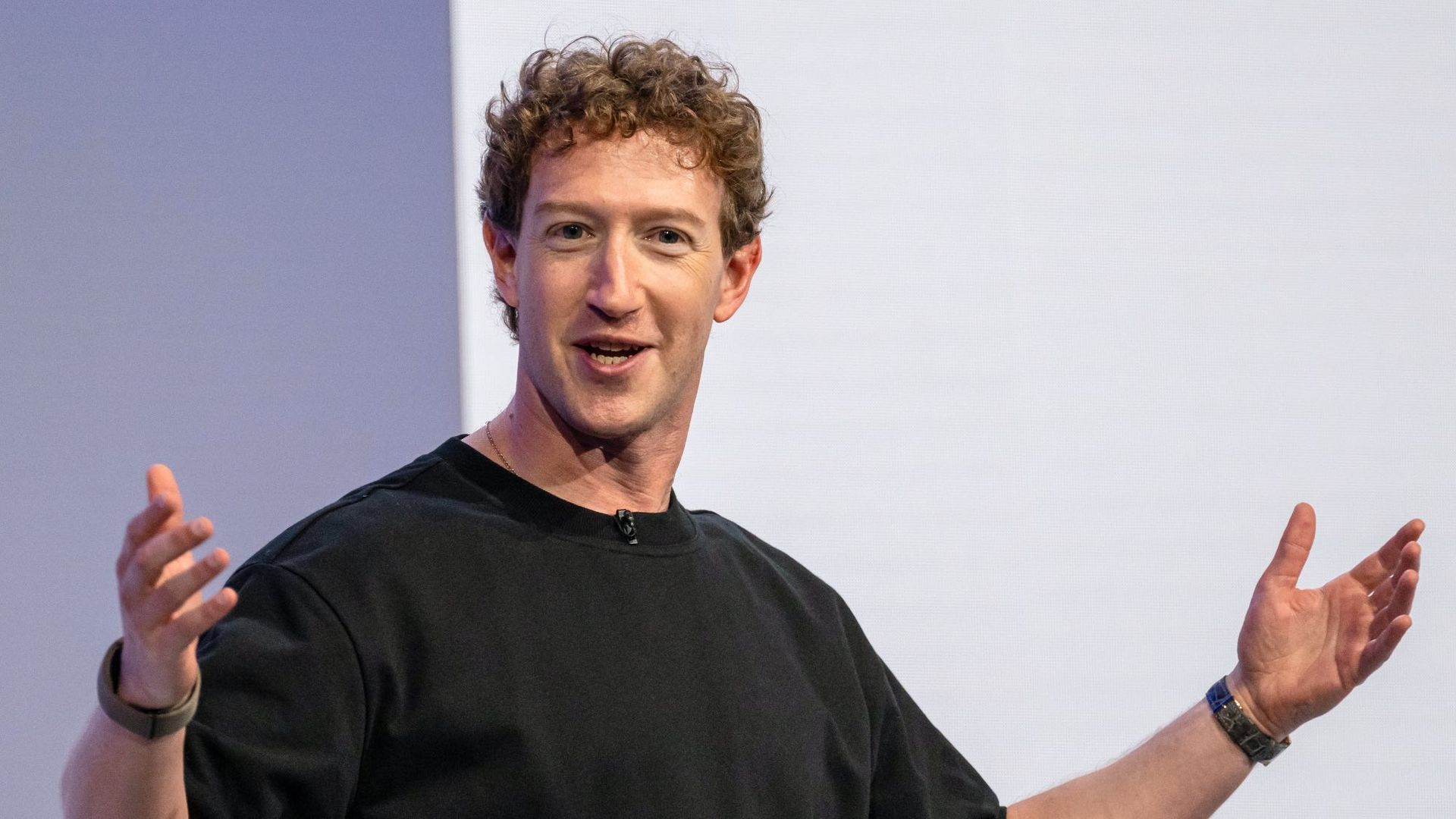
A new CNBC report describes how the language at the top of the industry is shifting. On their third-quarter earnings calls, Meta’s Mark Zuckerberg and Tesla and SpaceX’s Elon Musk traded “AI” for “super intelligence,” roughly a month after President Trump ordered federal agencies to replace the term artificial intelligence with super intelligence.
According to the report, The CEOs of Microsoft, Amazon and Alphabet stuck with “AI.” Whatever the motivation behind the swap — alignment with the White House, marketing, or genuine conviction — the word "superintelligence" deserves scrutiny, because it carries a promise that the people using it have every incentive to make sound inevitable.
Companies are free to pursue superintelligence, to spend heavily researching it and to explain why they think it’s within reach. But describing an ambition and demonstrating that you’ve reached it are different things, and readers deserve language that makes clear which one is on the table.
Superintelligence generally describes AI that substantially exceeds human intellectual capabilities across a broad range of activities. That’s an enormous claim, far beyond being able to generate an essay quickly or outperform someone on a particular test.
The breadth is the point. A calculator can beat me at arithmetic without being more intelligent than a person in any meaningful sense, and an AI system that excels in one domain hasn’t thereby shown it can apply the same judgment everywhere else.
Before accepting the label, we should be asking what was measured, who evaluated the system and whether the results hold up outside the conditions chosen to demonstrate it.
Source link