Sleep is often treated as something we can sacrifice when life gets busy. Late-night work, endless scrolling and early morning commitments have made sleeping less seem normal. But what if losing those hours is affecting more than just our energy levels?
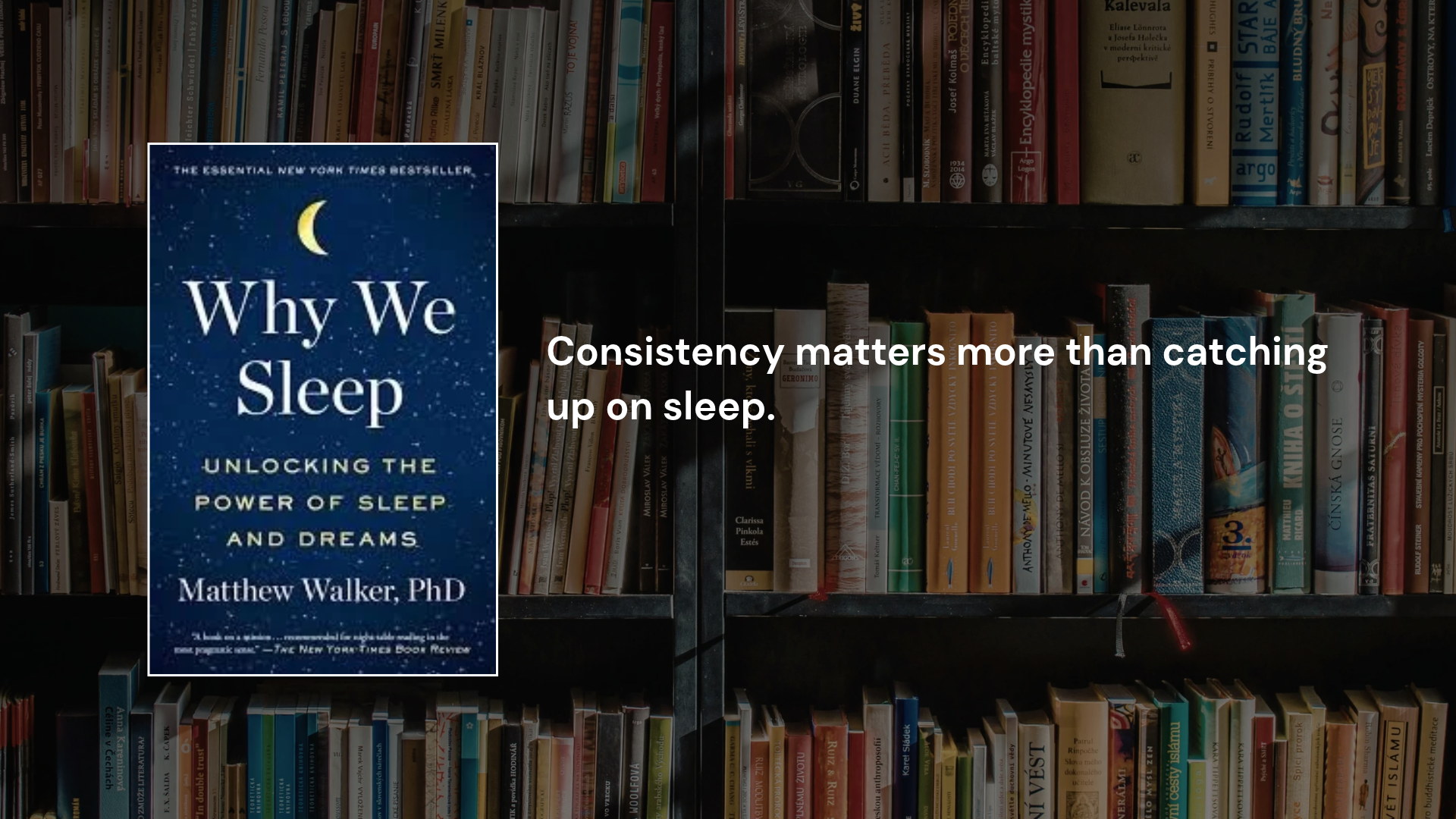
In Why We Sleep: Unlocking the Power of Sleep and Dreams, neuroscientist Matthew Walker explores the science behind one of the most essential parts of human life.
Drawing on decades of sleep research, he explains how sleep supports the brain, influences physical health and shapes our ability to learn, remember and manage emotions. The book challenges the idea that sleep is unproductive time.
One of the key lessons in Why We Sleep is that sleep plays an important role in how we learn and remember information. The brain does not simply switch off when we fall asleep. It continues processing and organising what we have experienced during the day.
Walker explains that sleep helps strengthen newly acquired memories and makes it easier to retain information. Both non-REM and REM sleep contribute to different aspects of memory processing.
This means studying for longer hours at the expense of sleep may not always improve learning. Giving the brain enough time to rest is also part of preparing it to absorb and recall information.
Sleep is closely connected to the body's ability to function properly. Walker explores how insufficient sleep is associated with changes in the immune system, metabolism, appetite and cardiovascular health.
The effects are not limited to the body.
Source link