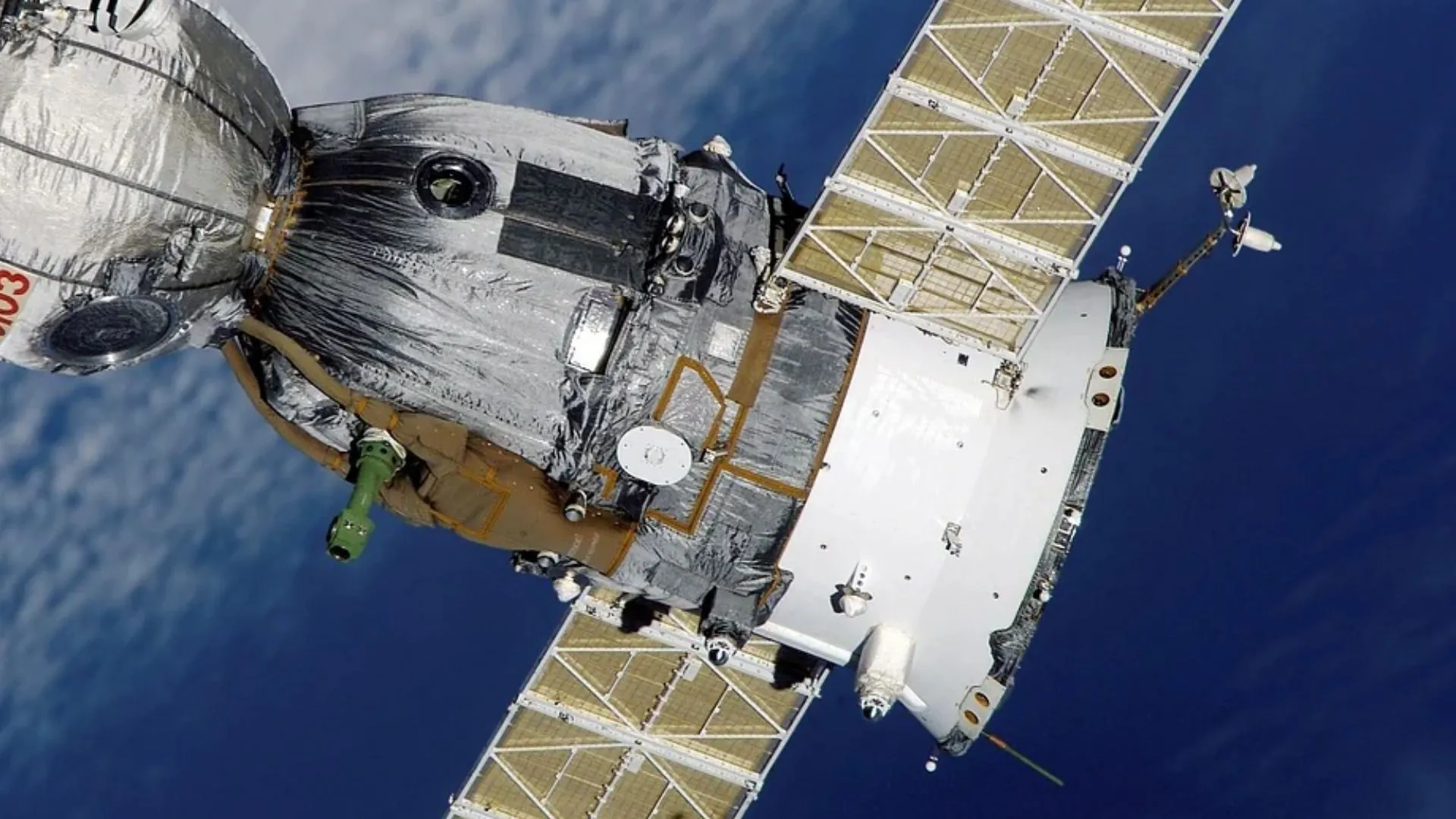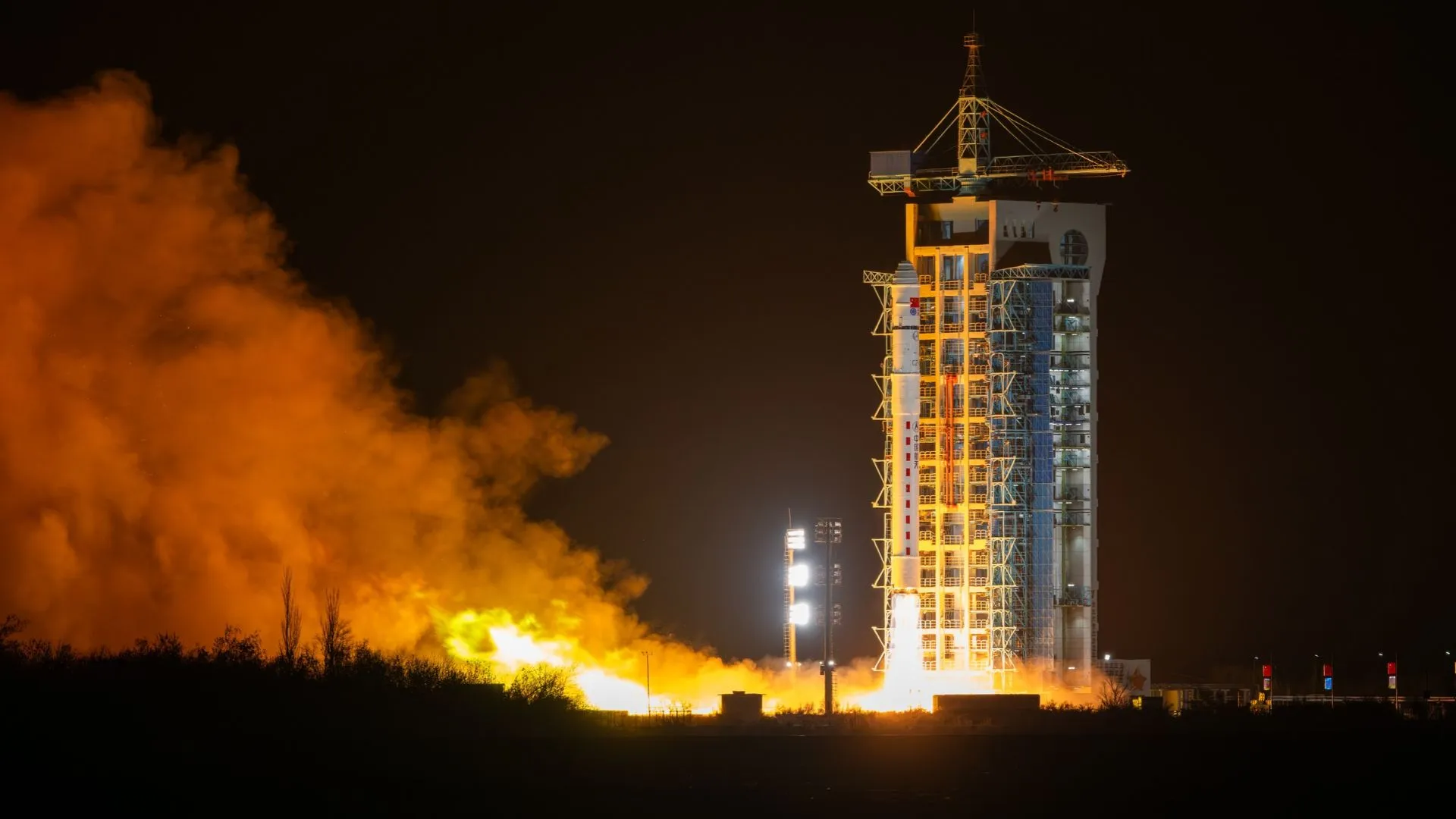
China has sent another experimental spacecraft into orbit, adding a relatively mysterious satellite to its growing fleet of technology-testing missions. A Long March 2D rocket carried Shijian-24 into a planned sun-synchronous orbit from the Taiyuan Satellite Launch Center on November 19.
The rocket lifted off at 6:51 a.m. China Standard Time from Launch Complex 9 in Shanxi province. China confirmed that the spacecraft reached its intended orbit and declared the mission a complete success. The launch also marked the 678th flight of China’s Long March rocket family.
China has not disclosed Shijian-24’s specific mission objectives or identified its manufacturer. The spacecraft’s designation offers some clues about its potential role, however.
China uses the Shijian name for spacecraft that test technologies and establish operational procedures. The designation translates to “Practice” in English. Another category, Shiyan, identifies experimental spacecraft focused on technology development. These designations help distinguish different types of technology demonstration missions within China’s space program.
Shijian-24 may also have considerable physical dimensions. Its Long March 2D rocket used a payload fairing measuring 3.8 meters in diameter. That enclosure protected the spacecraft during its journey through the atmosphere. The relatively wide fairing provides a useful indication of the payload envelope available for the mission.
The satellite’s planned sun-synchronous orbit could support missions requiring consistent lighting conditions. Such orbits prove useful for Earth observation and other applications. However, China has not confirmed whether Shijian-24 will perform either function.
The spacecraft joins a relatively small group of Shijian missions launched this year. China previously placed Shijian-31 into a highly elliptical orbit in June.
Source link