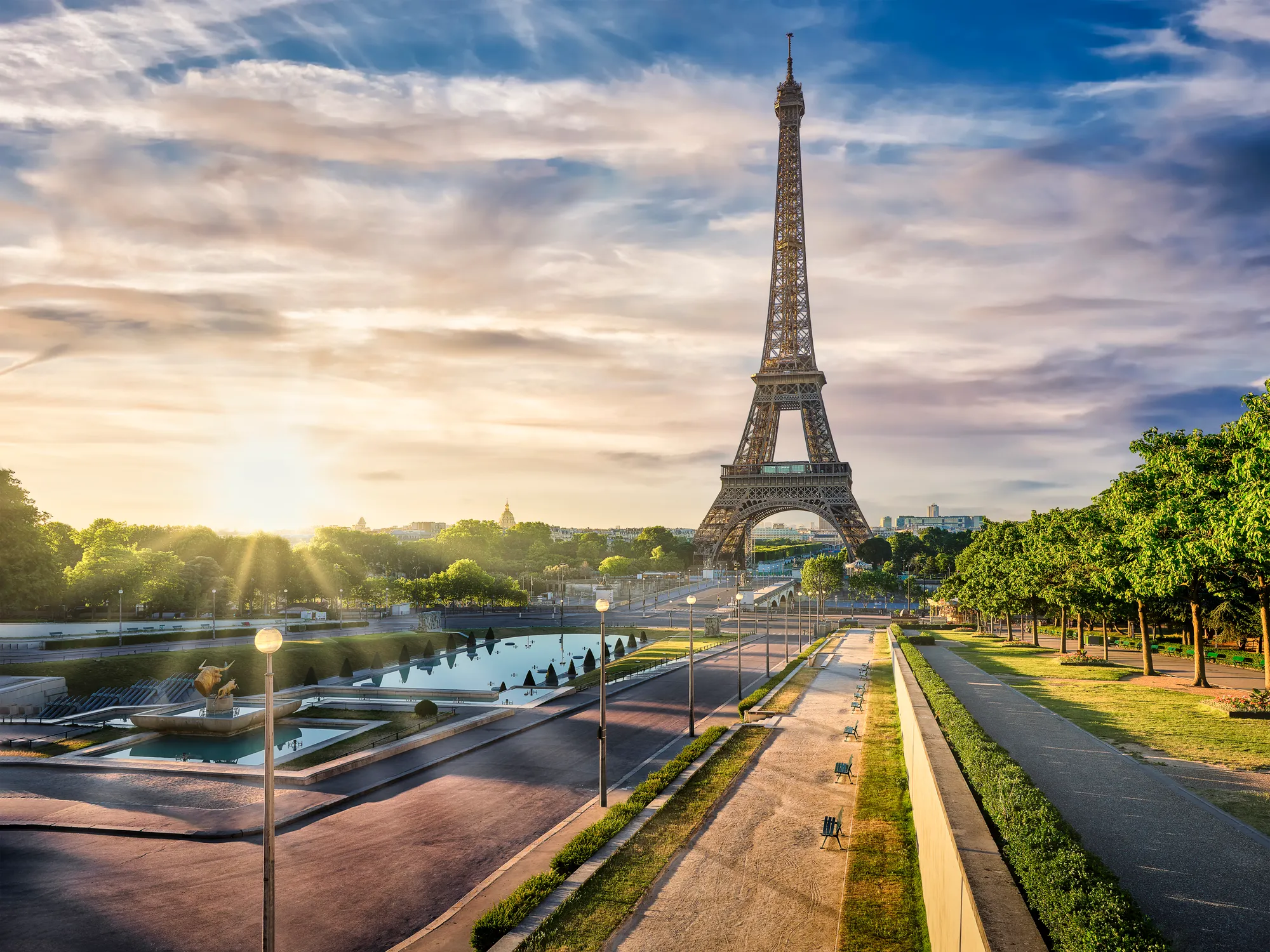
What the history of the Eiffel Tower can teach business owners about the cost of needing external recognition.
In the 1880s, Gustave Eiffel was already one of France’s best-known engineers.
He had built railway bridges, viaducts, stations and other large iron structures across Europe. His company had developed a reputation for doing things that seemed difficult, expensive or slightly mad, then finding a way to make them work.
Then, Eiffel took on his most ambitious project yet. For the 1889 World’s Fair in Paris, he proposed a 300-meter iron tower that would rise above the city. At the time, it would be the tallest man-made structure in the world.
In February 1887, while construction was already underway, around 40 prominent artists and writers published an open letter condemning the project. Charles Garnier, the architect behind the Paris Opera, had signed it. So had Guy de Maupassant, one of France’s most famous writers at the time, a major figure in French literature.
Eiffel defended the structure, arguing that its shape came from the engineering required to withstand the wind, and he carried on building. A little over two years later, the tower was finished.
When the World’s Fair opened, nearly two million visitors came before the fair closed. Paris had given Eiffel its answer: It was a hit! Eiffel was vindicated!
The more interesting part of Eiffel’s story came afterwards, when the argument should have been over.
By the end of the fair, the protests had lost steam because Eiffel had a result that no newspaper argument could match: People were paying to climb the tower.
Source link