After nearly 20 years and roughly 900 client engagements, I’ve learned that most entrepreneurs are solving the wrong problem when it comes to customer acquisition. Here’s what the data actually shows.
When I started VeraData in 2007, I thought I understood customer acquisition. I had studied the models, understood the data, and believed that if you built something genuinely useful, the right people would find it.
Our first client was a nonprofit organization trying to grow its donor base. They were doing what almost every organization does when they want more customers, donors, members, whatever the right word is for their business: they were talking to everyone. Broad outreach, general messaging, high volume. They figured if they cast a wide enough net, they’d catch enough of the right people.
What I learned from that first engagement, and from the roughly 900 organizations we’ve worked with since, is that the problem was never the product. The problem was that they had no real picture of who their best customer actually was. Not a vague sense of a demographic. A precise, data-backed understanding of the specific individual most likely to engage, come back and bring others with them.
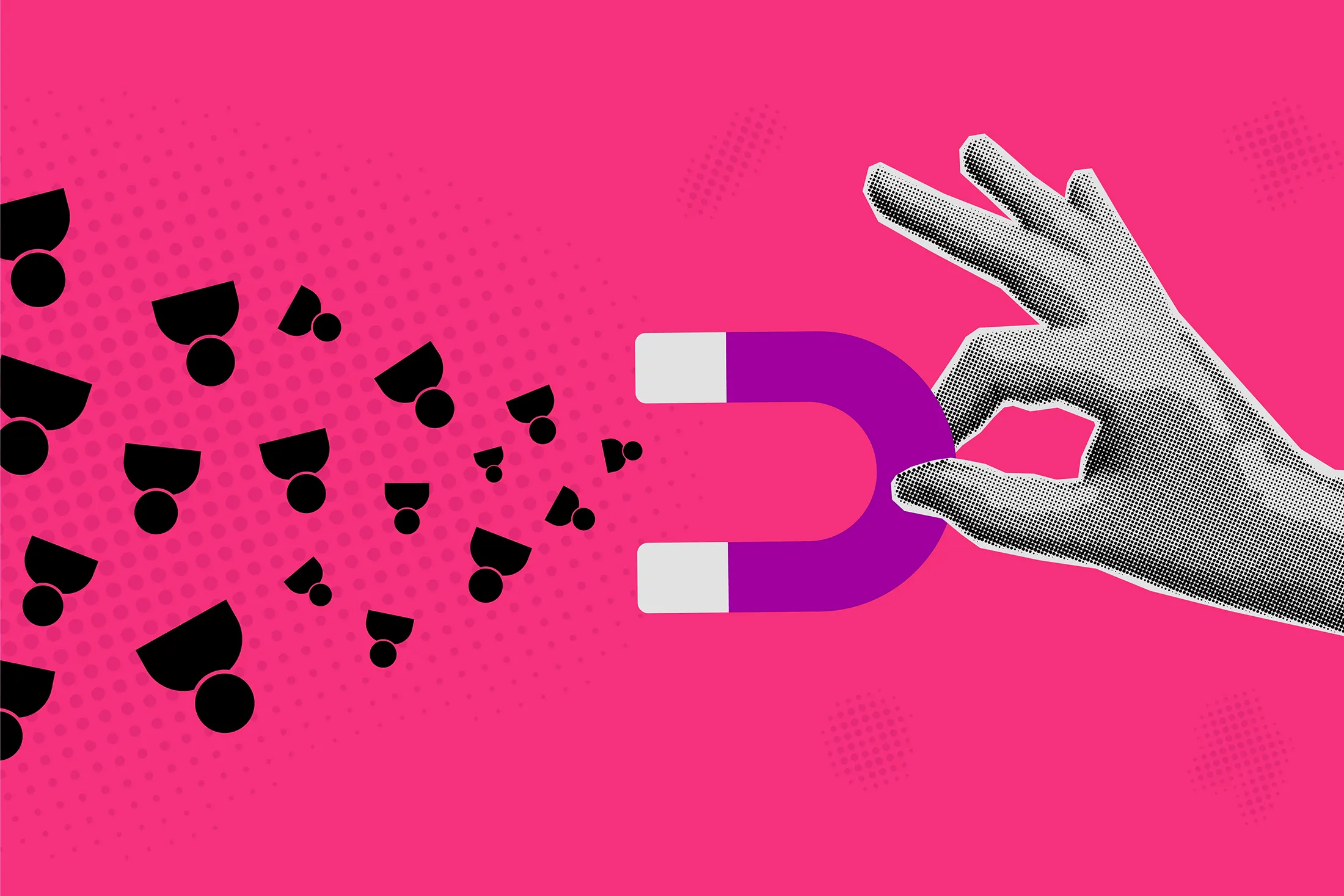
Most entrepreneurs I talk to think of customer acquisition as a volume problem. Get in front of more people, close a higher percentage and the math works out. The data show that acquisition is a targeting problem . The difference between a good prospecting model and a broad one is not a few percentage points of conversion rate.
Source link