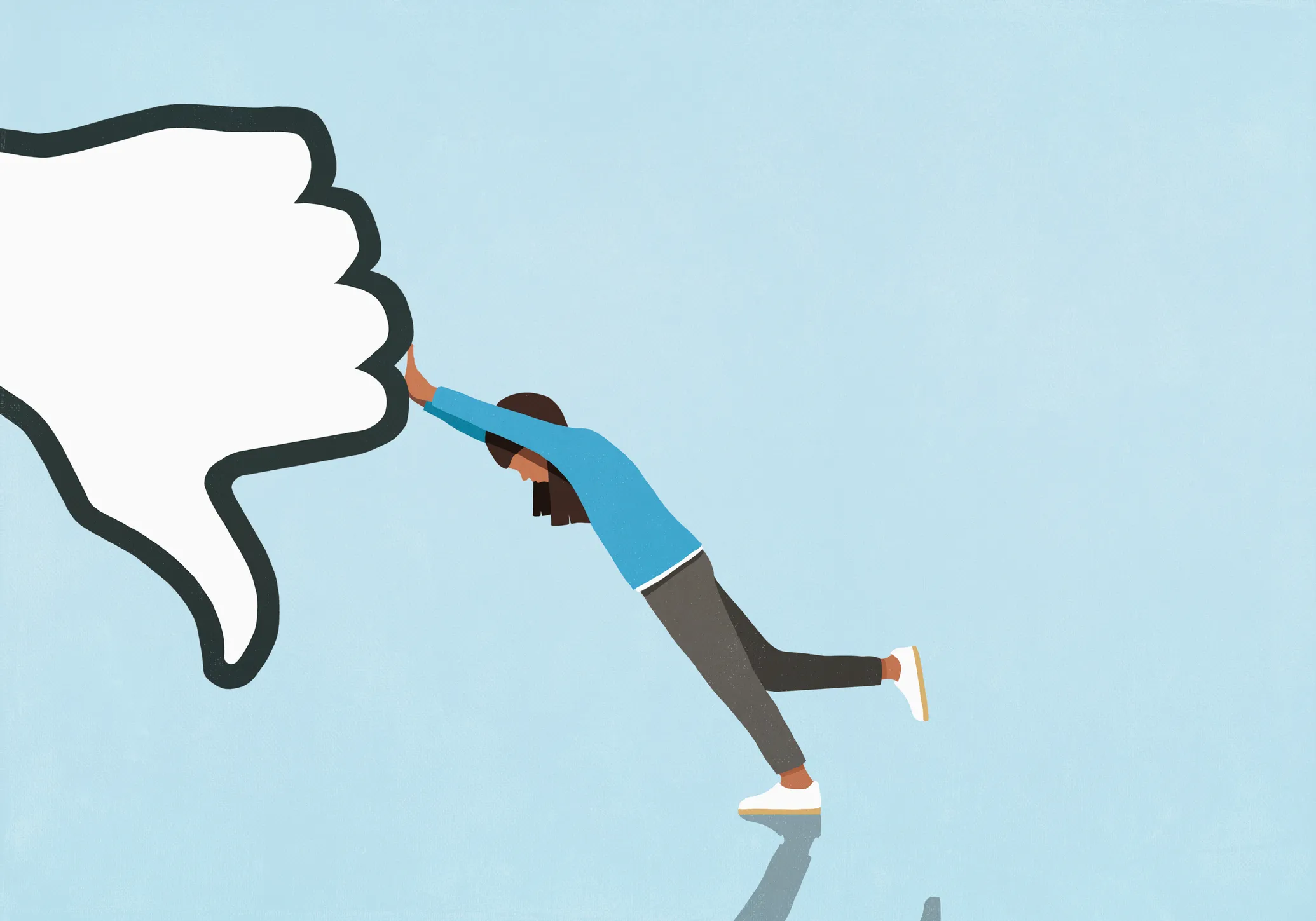
Your data can be right and your decision can still fail. The missing variable is often trust — something even the most rigorous spreadsheet cannot measure.
I’ve worked with founders who have similar stories about a decision that checked out on paper and still blew up in their hands. The numbers held up. Everyone who reviewed it signed off. And the moment it reached the people it actually affected — clients, employees, customers — the reaction had nothing to do with whether the decision was correct.
That gap between a decision being “right” and actually working out is one of the most expensive blind spots in business.
A story from 1985 shows this better than almost any case study I know, mostly because the company did everything a careful, data-driven leader is taught to do, and still walked straight into the mistake.
By the early 1980s, Coca-Cola was losing ground to Pepsi. Pepsi’s blind taste tests kept favoring a sweeter flavor, and the gap kept widening. For a company built almost entirely around one century-old, secret recipe, this had become more than a minor competitive nuisance, attacking the very identity of the brand.
So Coca-Cola did what a careful, disciplined company is supposed to do: It tested the question thoroughly instead of trusting instinct. Over roughly two years, it ran more than 200,000 blind taste tests, pitting a new, sweeter formula against both the original Coke and Pepsi. The new formula won, consistently, at a sample size too large to call a fluke.
Source link