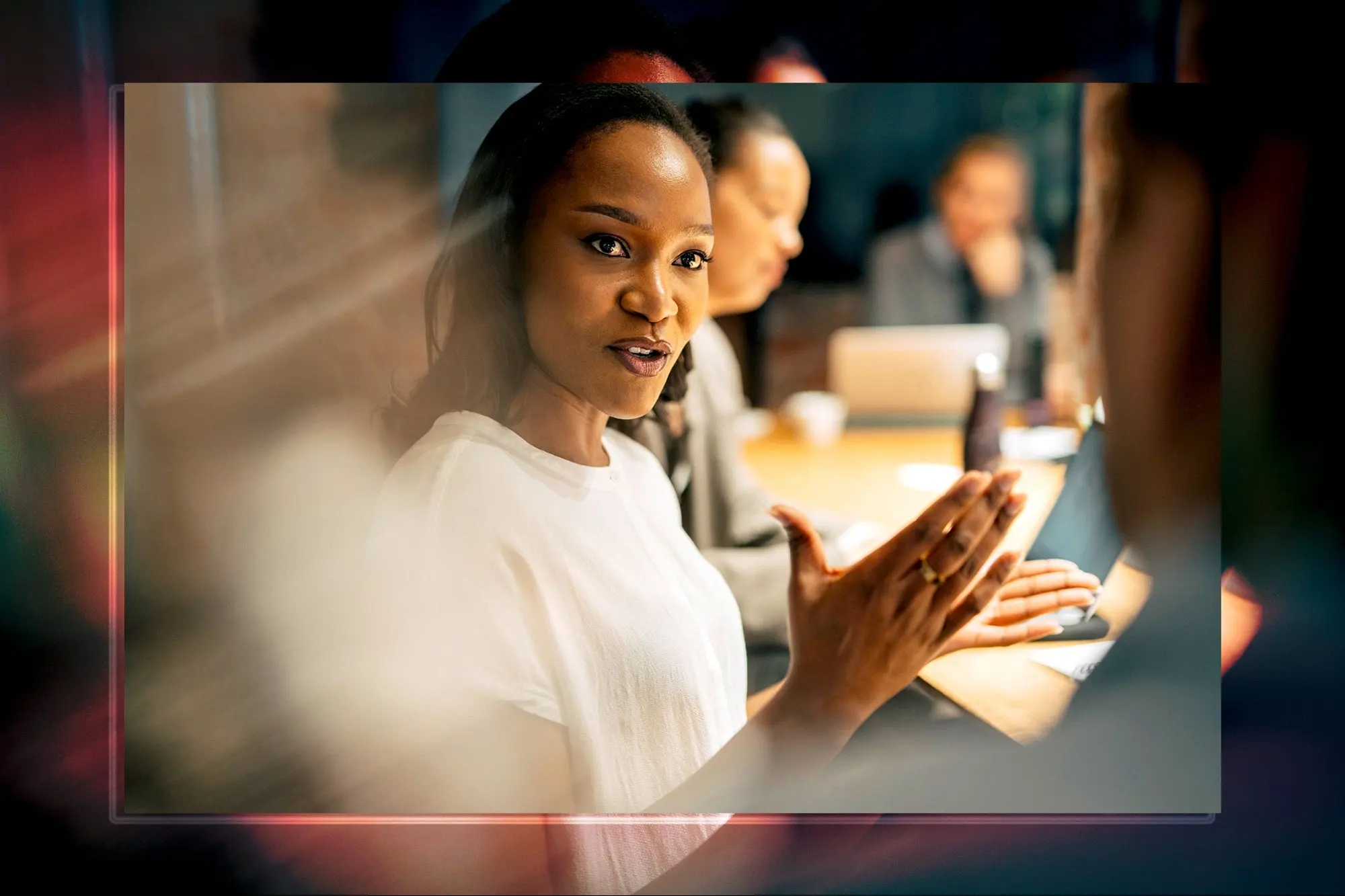
Black women’s long-practiced leadership strengths offer a powerful blueprint for building more resilient, inclusive and effective workplaces.
There was a season of my life when I was working full time, earning three degrees, raising children and managing a household, all at once. Every day required balancing competing priorities, solving problems on the fly and making decisions with incomplete information. I thought I was juggling leadership at work and caregiving at home, each demanding a different version of me.
The same skills I relied on every day at home were the very skills organizations were trying to teach their leaders. Strategic thinking. Resource optimization. Managing competing stakeholders. Navigating uncertainty with empathy and accountability. Everything I was doing at home and in the community was training for leadership because care and empathy strengthen a leader.
That realization changed how I viewed my own career. It also changed how I understood the leadership Black women have practiced for generations.
Today, organizations celebrate collaboration, emotional intelligence, adaptability and community building as essential leadership capabilities. Yet, Black women have been leading this way for decades, often without formal authority and long before these practices became corporate priorities. The future of work isn’t inventing a new leadership model. It’s finally recognizing one that has been there all along.
Many organizations still assume leadership means having the best answers . In reality, today’s challenges are too complex for one person to solve alone. The leaders who consistently make better decisions create environments where people are willing to contribute their best thinking.
Source link