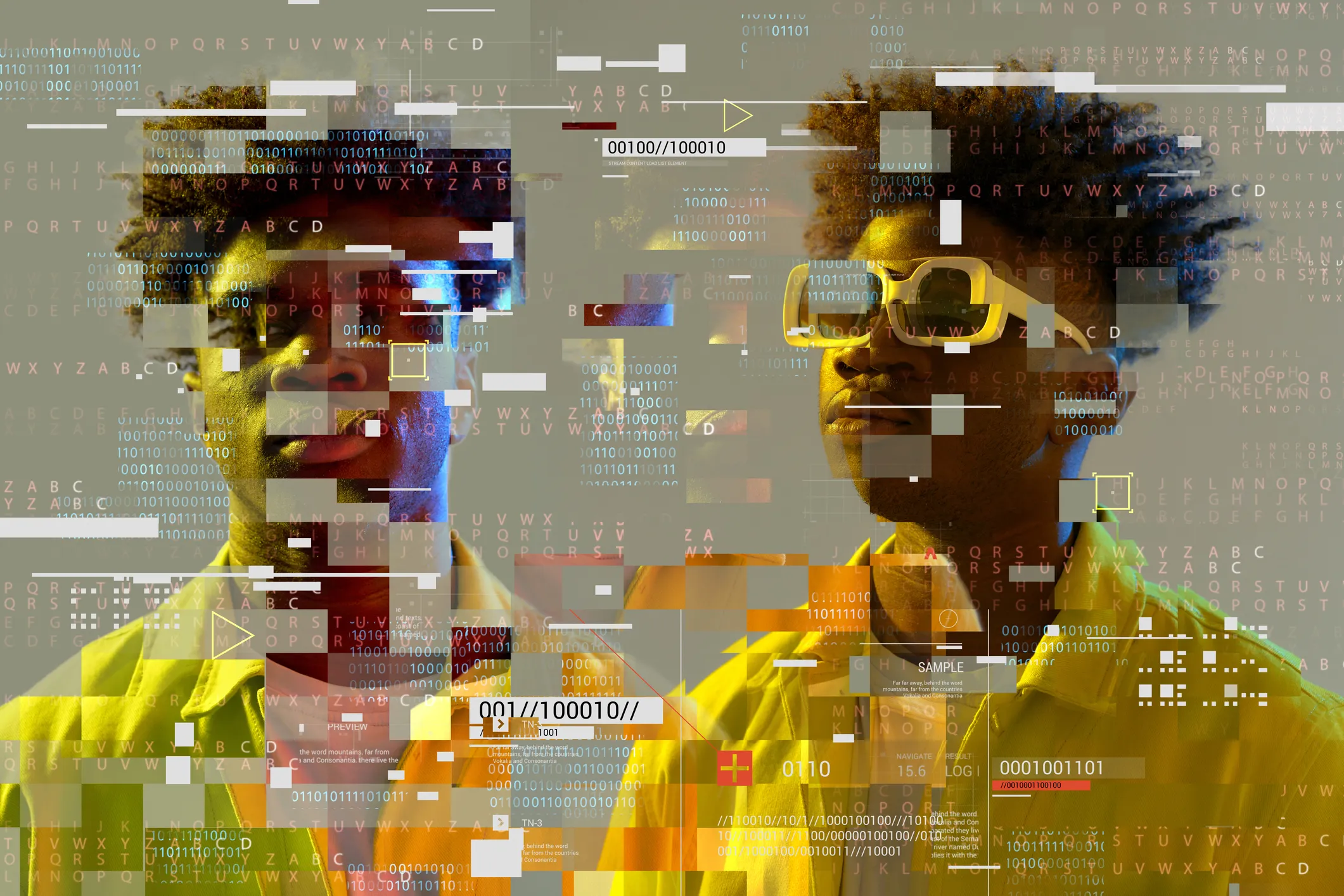
We ran a 315-person study testing whether people could tell AI edited video from human edited video. The group we expected to be hardest to fool turned out to be the easiest.
Most businesses assume their most educated, highest-earning customers are also their most discerning ones — the group least likely to be fooled by a shortcut, a shallow claim, or a piece of content that only looks authentic.
We ran a study that put that assumption to the test, and the data went the other way. It is a small reversal on paper, but it points to a bigger mistake a lot of businesses make without realizing it.
Ask most founders which of their customers would catch a fake, a cut corner or an AI-generated shortcut, and they will usually point to the same group. The educated ones. The higher earners. The audience segment assumed to be paying closer attention and harder to fool.
This assumption quietly shapes a lot of real decisions. Which segment gets the polished version of something and which gets the rushed one. Which audience a company worries about disappointing and which one it assumes will not notice the difference. Nobody usually says this out loud, but it sits underneath a lot of choices about where to invest extra care and where to cut corners.
We had never actually tested whether that assumption holds up. Most businesses never do. It is treated as common sense, the kind of thing nobody questions because it feels obviously true.
Source link