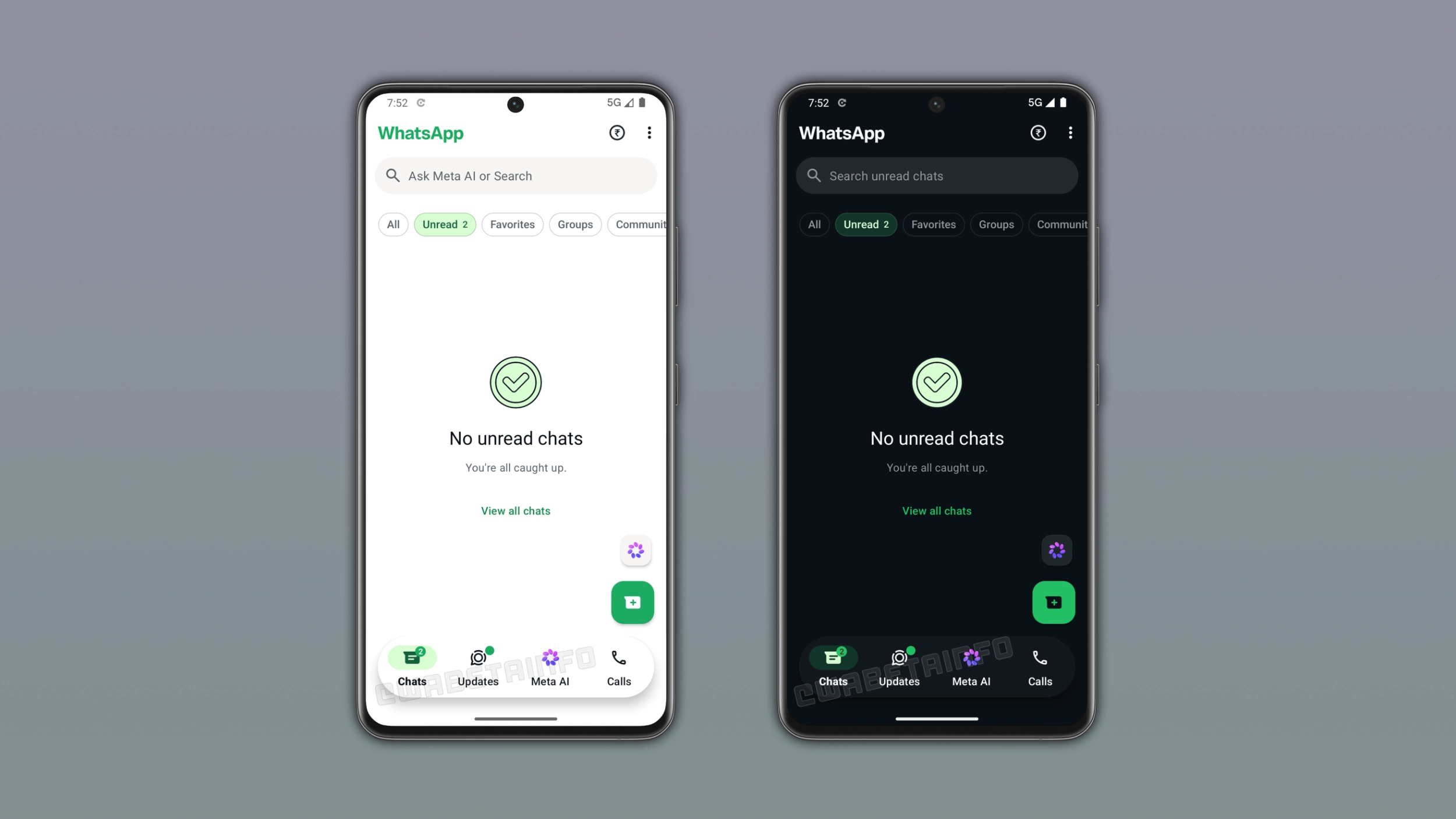
As part of its annual Connect showcase this week, Meta unveiled a range of new products that will enable people to further integrate the company’s artificial intelligence agents into their everyday lives, by having them tune in to their interactions at all times, via an expanding range of wearable devices.
But can Meta be trusted to listen in on people’s daily conversations, and use those data inputs in a responsible way?
This is a key question in the company’s broader agentic AI push, that while Meta’s AI agents may be able to undertake a range of tasks on users’ behalf, and potentially deliver value and utility, that will require a level of trust in the company that many will likely be hesitant to allow.
Which is only going to expand as Meta rolls out more always-on AI assistant products.
Meta is already working to address these concerns. As part of its Connect announcements, it shared details of its new Private Processing approach for Meta AI, which will process user information gathered by its devices inside “confidential virtual machines,” which the company said will ensure that not even Meta itself can access that information.
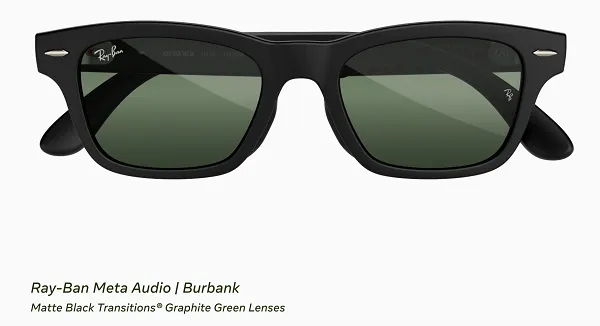
It also announced that users will now be able to opt-out of having their visual data from AI glasses used for model training, while it also unveiled a camera-less version of its AI glasses, in order to address concerns about unauthorized recording, while still facilitating AI connection.
Other reveals included a new toy-like charm device for Meta AI access, called Muse Charm , which will provide another, non-camera-equipped way for people to maintain connection with their Muse AI agents.
Source link