Written by Lucy Hall and reviewed, fact-checked and signed off by a SocialDay editor before publication. Read our editorial standards and corrections policy. Spotted something wrong? Tell the newsroom.
Connect systems around a useful customer journey. Define contact ownership, permission, measurement and failure handling before adding integrations.
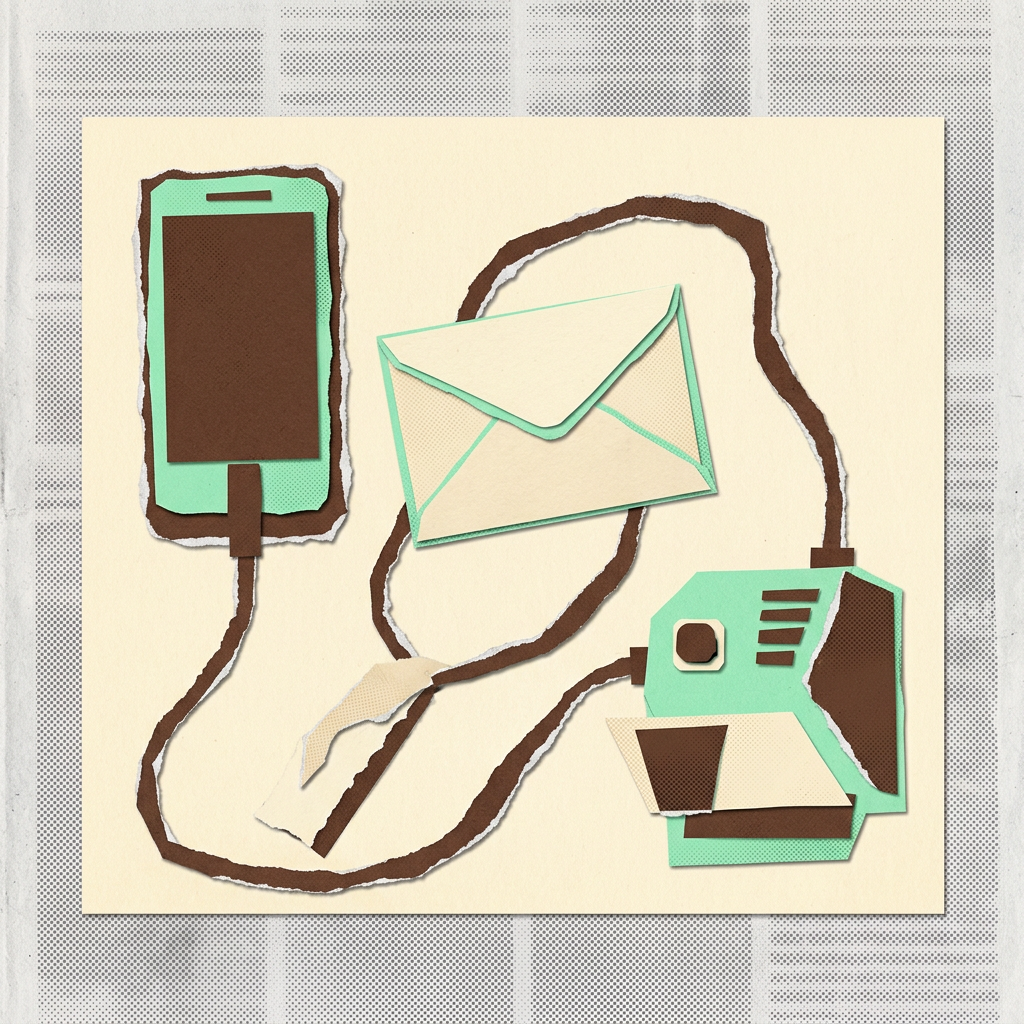
Social media creates attention and conversations. Email can sustain a relationship. A CRM can provide shared customer context. Automation can move information and trigger useful next steps between these systems.
Connecting everything is not an outcome in itself. A connection earns its place when it improves a defined journey, such as delivering a requested guide or passing a qualified enquiry to the right person. Start there, rather than with a diagram of every application the organisation owns.
Write the entry point, promise and next action. For example: a person sees a social post, visits a landing page, requests a guide and receives it by email. Specify what follow-up they are offered and what information the team needs.
Define the owner of the contact record and the system that controls email eligibility. A social interaction does not automatically establish permission for every subsequent marketing activity. Make the choice clear and use the organisation's applicable consent and privacy requirements.
Also decide what happens when the person already exists in your systems. Duplicate records can trigger duplicate messages and confuse reporting. Identify an appropriate matching rule and test it.
A newsletter tool may be enough for a small list and straightforward campaigns. A CRM-linked platform may suit journeys requiring sales context, branching and shared contact history.
Source link