Smart leaders are scrutinizing where AI can genuinely lighten their load, versus piling more on their overworked brains. Here’s how.
If you’re finding yourself exhausted at the end of each day — mentally depleted, unable to do much more than scroll or stare at Netflix — you’re not alone.
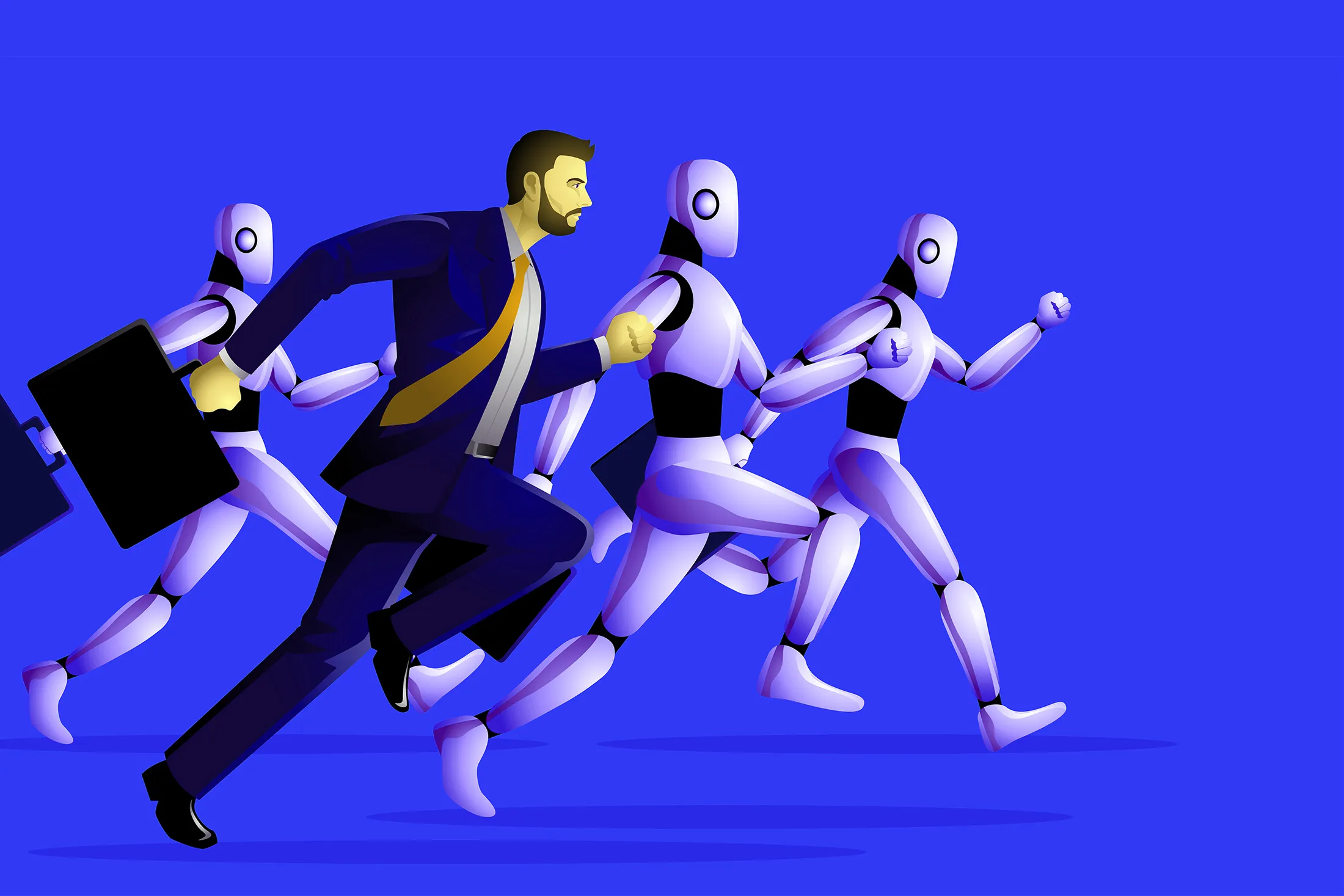
Heavy AI users are increasingly suffering from a phenomenon researchers are calling “brain fry” — as one CEO put it, it’s not from work itself, but from managing all the work his AI tools are doing on his behalf. “It’s not burnout in the traditional sense. It’s something weirder — a kind of cognitive overload masked as productivity,” he explains.
I admit I’ve felt this myself. I’ve always made an effort to delegate my busywork, taking care to focus only on the tasks I find intrinsically valuable. But lately, I’ve also seen how easy it can be to fall into a productivity trap — greater efficiency allows us to take on more projects, dividing our attention like never before.
All this multitasking is taking its toll. But the solution isn’t necessarily to scale back on AI tools, but think strategically about how it can genuinely lighten your load versus pile on your overworked brain. Here’s how.
One of the things I love about AI is how it has democratized startups. As a bootstrapped solopreneur , I’ve never believed a great idea needs VC money to turn into a viable business. This has never been truer than it is today. Even non-programmers can get a startup off the ground on their own, no coding background required.
Source link