This article has been reviewed according to Science X's editorial process and policies. Editors have highlighted the following attributes while ensuring the content's credibility:
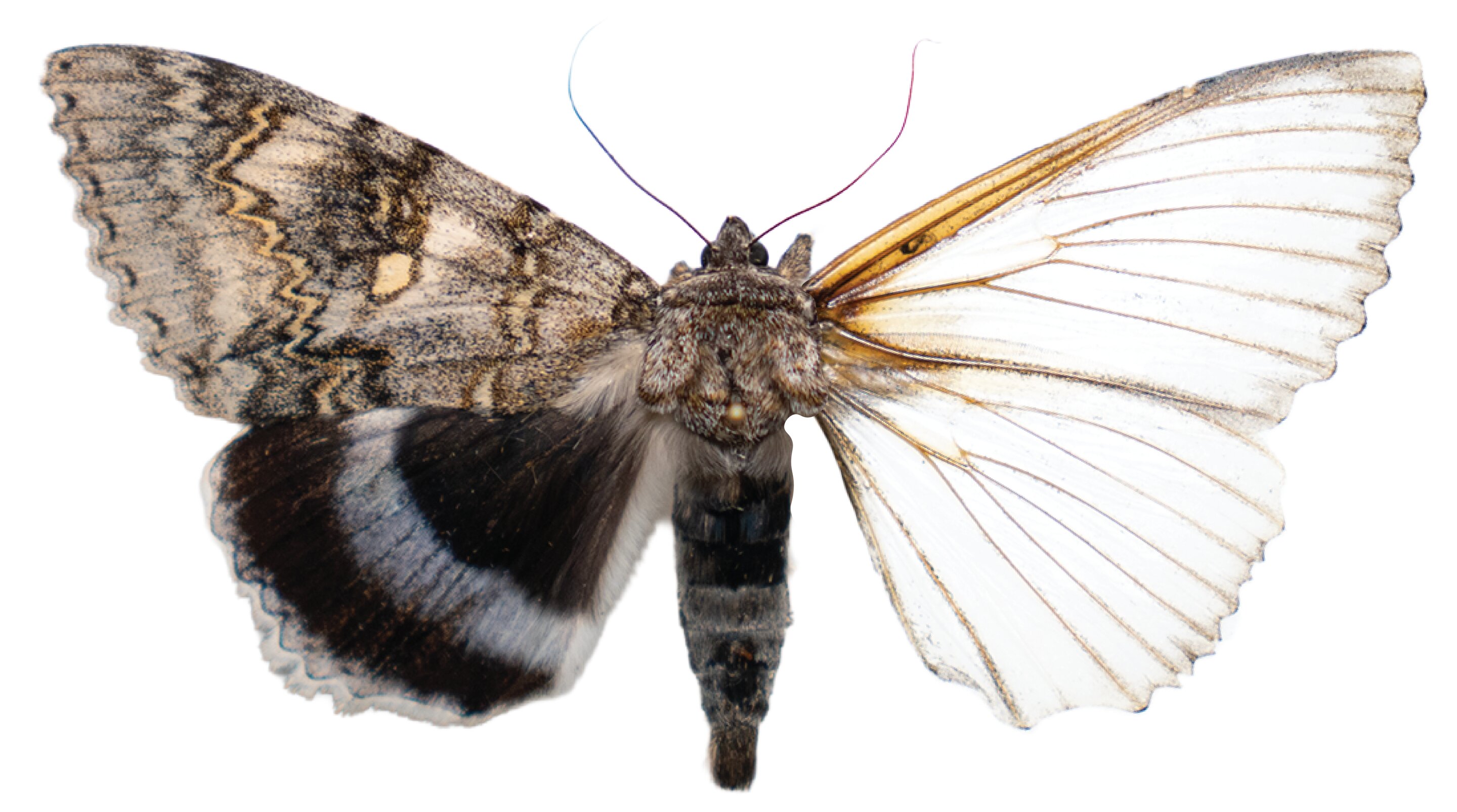
A moth-shaped robot used an artificial circulatory system to deliver chemical building blocks through its body and grow a light sensor where UV light struck.
A robot's brain can only do as much as its body allows. Robots are increasingly sent into places nobody can fully map in advance, such as collapsed buildings, forests, the deep sea or other planets. Yet their hardware is fixed at the factory: every sensor must be put in place before the robot leaves the lab, based on a guess of what it will encounter. The current state of the art is an adaptive algorithm in a centralized controller, but this does not fully compensate for a robot body poorly matched to the unexpected environment. A possible solution is to create new components as the situation unfolds, thereby enhancing the robot's adaptability.
Building a new component from scratch takes two things: suitable building blocks and a way to get them to the right place at the right time. Nature solves both with circulation, as blood or hemolymph carries building blocks throughout the body, ensuring that each organ has access to new materials and can dispose of used ones when needed.
The study "Receptogenesis in a Vascularized Robotic Embodiment" was published Oct. 23 in the journal Advanced Science.
Researchers at the University of Tartu in Estonia and the Italian Institute of Technology set out to give a robot the same ability.
Source link