This article has been reviewed according to Science X's editorial process and policies. Editors have highlighted the following attributes while ensuring the content's credibility:
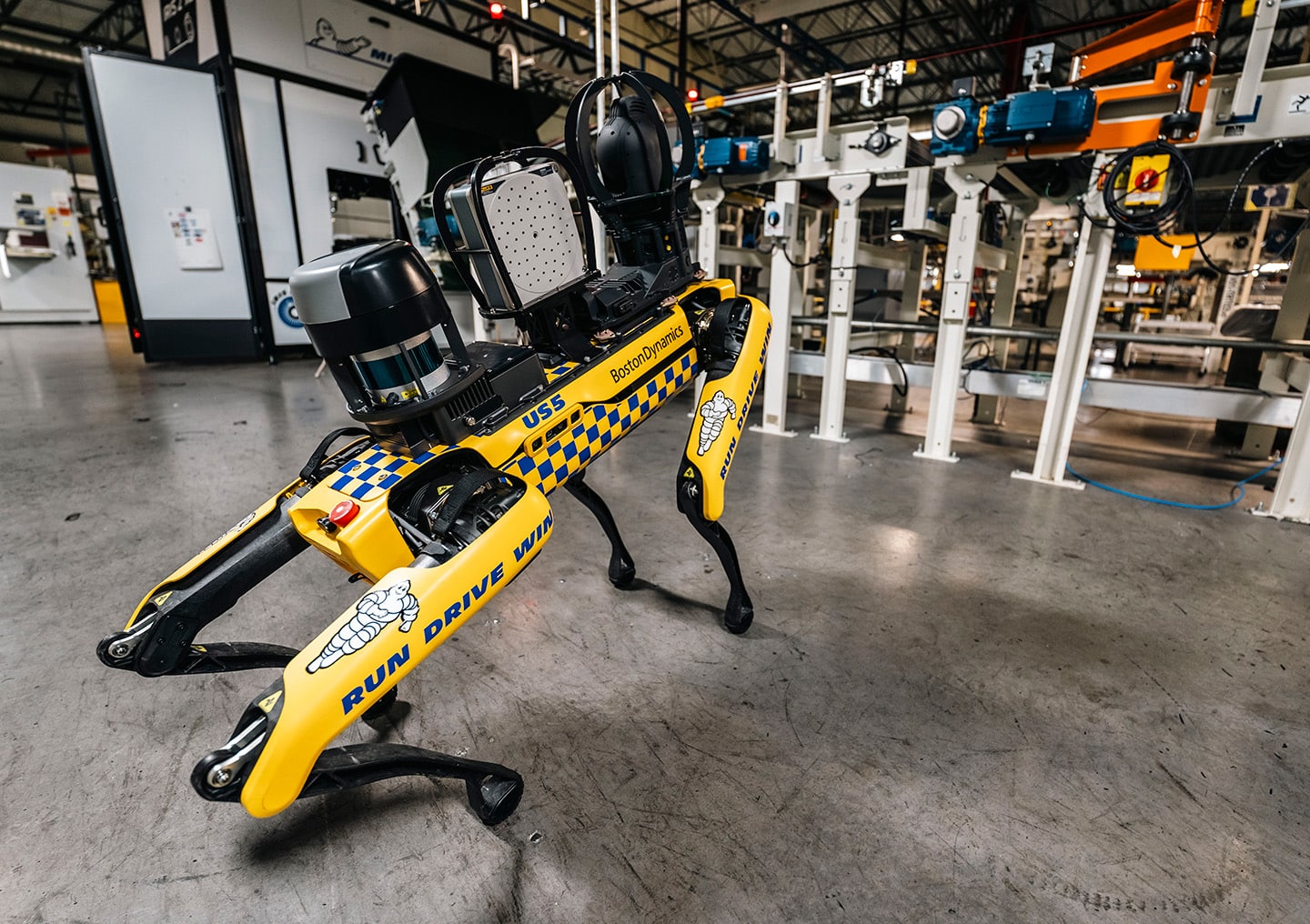
From monitoring public spaces to responding to requests for help, security robots are beginning to take on roles once held by people. As they gain authority, researchers are asking what it might take for the public to trust them.
In a new study, University of Michigan School of Information doctoral student Xin Ye and UMSI professor Lionel Robert found that fairness plays a significant role in how people trust the authority of security robots.
The work is published in the journal Proceedings of the Human Factors and Ergonomics Society Annual Meeting.
Conducting an experiment with 100 participants, Ye and Robert found that the way a security robot interacted with people and the consistency with which it applied rules increased people's trust in it. Fair interactions also increased participants' willingness to accept the robot as an authority figure.
"In human-robot interaction research, people often study robots as assistants, collaborators or partners," Ye said. "I'm interested in what happens when robots take on roles of authority—when they exercise social power over humans."
The U-M study draws on research about fairness in policing to examine whether people bring similar expectations to robotic authority.
The researchers tested two kinds of fairness: interactional fairness and distributive fairness. Interactional fairness concerns how a robot treats people, including whether it gives them a chance to explain themselves and explains its own decisions.
Source link