
This article has been reviewed according to Science X's editorial process and policies. Editors have highlighted the following attributes while ensuring the content's credibility:
Idiopathic intracranial hypertension, or IIH, is defined by raised pressure around the brain with no structural cause and normal spinal fluid composition.
Symptoms include headache, blurred vision, transient loss of vision, pulsatile tinnitus, which patients describe as whooshing or thumping in the ears, and problems with attention and concentration.
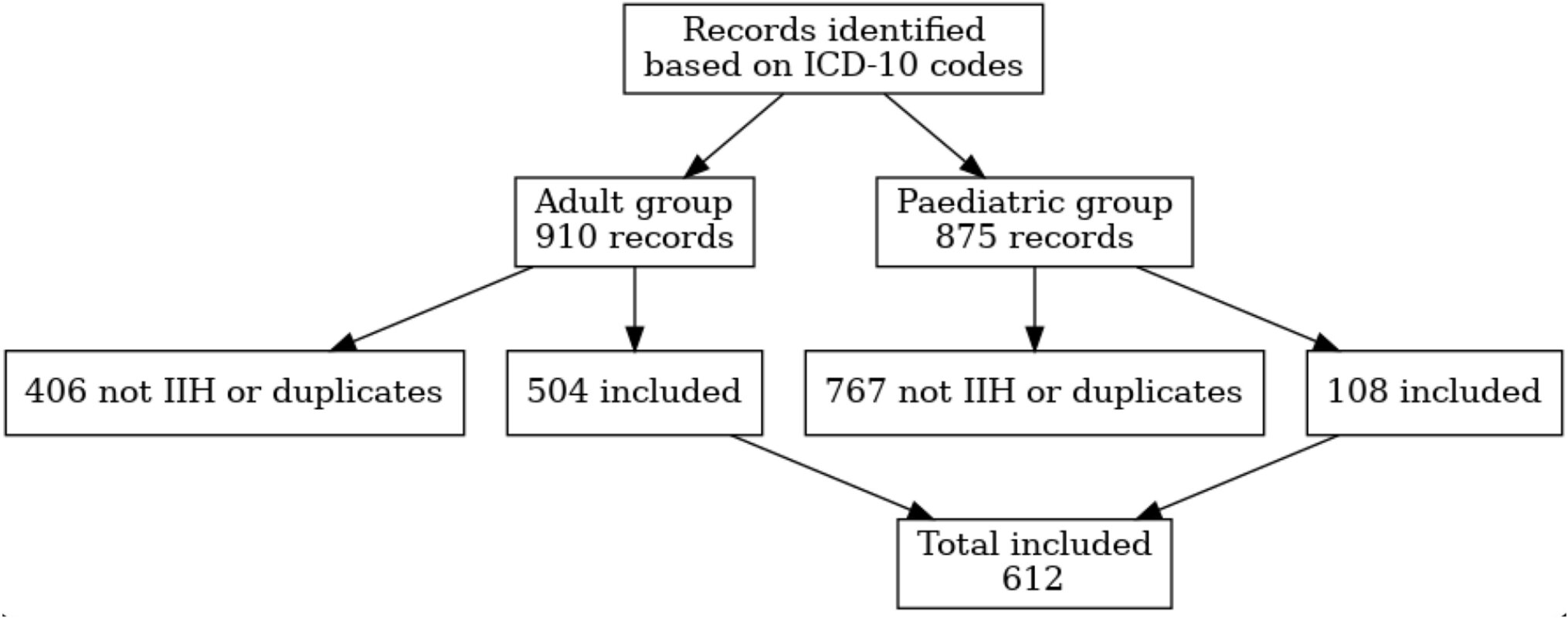
In a study published in the Journal of Neurology, Monash researchers found that rates of the condition increased sevenfold in adults between 2010 and 2023, while rates in children tripled.
The steepest rise was in women ages 18–39, with rates rising 32-fold and peaking in 2022, when women accounted for nine in 10 patients.
While the condition has been documented for around 130 years, the causes remain unknown and research progress has been slow.
Senior author Anneke van der Walt, an academic neurologist at Monash University's School of Translational Medicine and director of the MS, Neuroimmunology and Neuro-ophthalmology Unit at The Alfred, said the scale of the increase outpaces the rise in obesity, which is associated with the condition.
"Obesity is a well-established risk factor for this condition, and the obesity rates in Australia have climbed," van der Walt said. "However, they have climbed gradually, and what we are seeing here is much steeper than that.
"Better recognition accounts for some of it, because we diagnose IIH more readily than we did 15 years ago, and access to neuro-ophthalmology and imaging has improved.
Source link





