
This article has been reviewed according to Science X's editorial process and policies. Editors have highlighted the following attributes while ensuring the content's credibility:
Now that measles is officially back in the U.S., some Americans are asking: Do adults need a booster shot?
"Most people are protected without getting a booster shot" because they've either been vaccinated or had measles as kids, said Dr. Richard Martinello at Yale School of Medicine.
The U.S., Mexico and Bolivia lost their measles-free status this week after stubborn outbreaks erased decades of progress. Last year, Canada lost its measles-elimination designation.
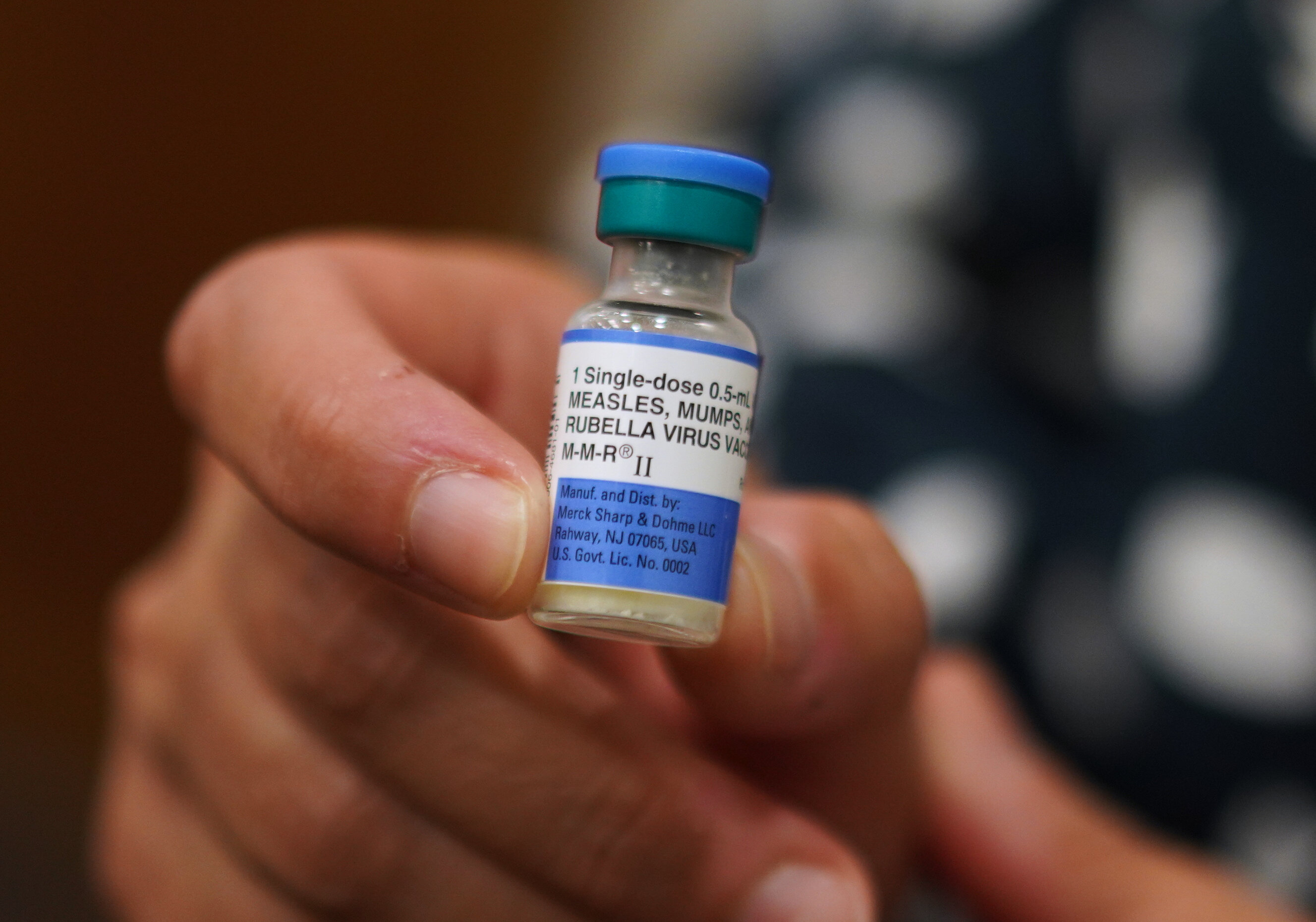
Doctors say getting two doses of the measles, mumps and rubella, or MMR, vaccine is the best way to protect against one of the most contagious viruses in the world. The vaccine usually protects people for life, as does having had the disease. Americans born before 1957 are considered to have "presumptive evidence" of immunity because almost everyone back then got measles during childhood.
One group is health care workers born before 1957 without proof of immunity. They're more likely than the general public to come in contact with people who have measles, so they may get it or even spread it to vulnerable patients.
Adults vaccinated between 1963 and 1967 also might want to think about boosters. During those years, some children received an inactivated vaccine that uses a killed version of the virus, which was less effective than the current vaccine containing live, weakened virus. Doctors said people who know they got the inactivated vaccine or aren't sure should get at least one dose of the live MMR vaccine.
Source link





