
This article has been reviewed according to Science X's editorial process and policies. Editors have highlighted the following attributes while ensuring the content's credibility:
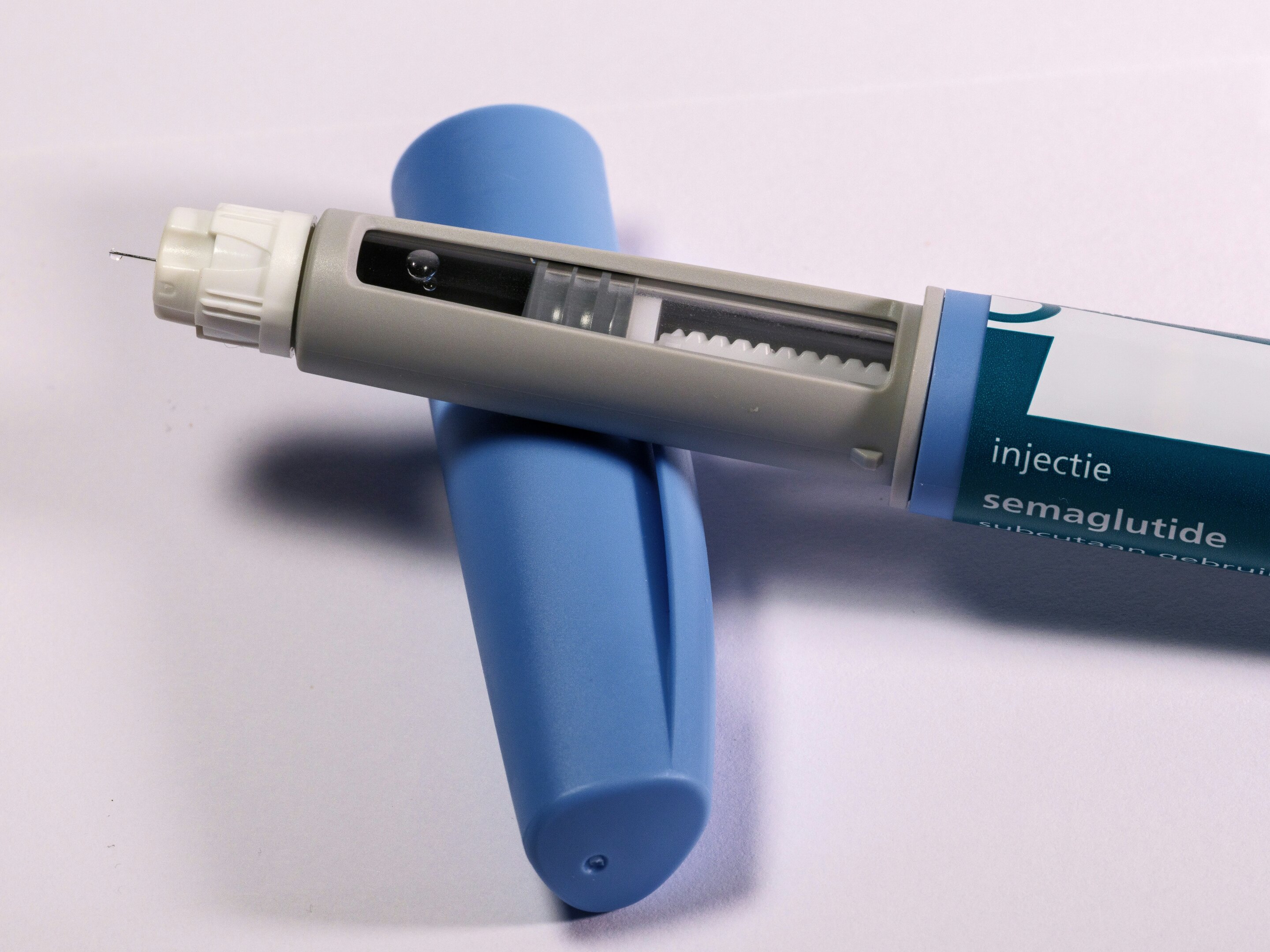
Medications like Ozempic and Wegovy, which contain semaglutide—a GLP‑1 receptor agonist that helps regulate blood sugar, appetite and body weight—have become household names and important pillars in obesity management for the medical profession.
Research has shown GLP-1 medications reduce body weight by an average of 15% when used weekly for 68 weeks and combined with lifestyle interventions. This is because semaglutide acts on the brain to increase the feeling of fullness and to decrease appetite.
These medications don't work the same way for everyone, however. Our multidisciplinary research team at the University of Alberta is working to improve obesity care for people of all ages and to understand why some people respond better to semaglutide than others, and how their weight loss can be maintained over time.
We are investigating the role of energy metabolism as a potentially important piece in a complex puzzle.
Research has shown that semaglutide medications improve quality of life, blood markers such as sugar or cholesterol, strength and overall health. Weight loss is only one measure of how well they work.
We are exploring whether people's responses to these medications could lie in individual factors such as genetics, metabolism, body composition, lifestyle, microbiota, associated diseases, age and sex.
Energy metabolism may also be an important piece of this puzzle. This is a measure of the total calories consumed (in) and the total calories burned (out).
Source link





