This article has been reviewed according to Science X's editorial process and policies. Editors have highlighted the following attributes while ensuring the content's credibility:
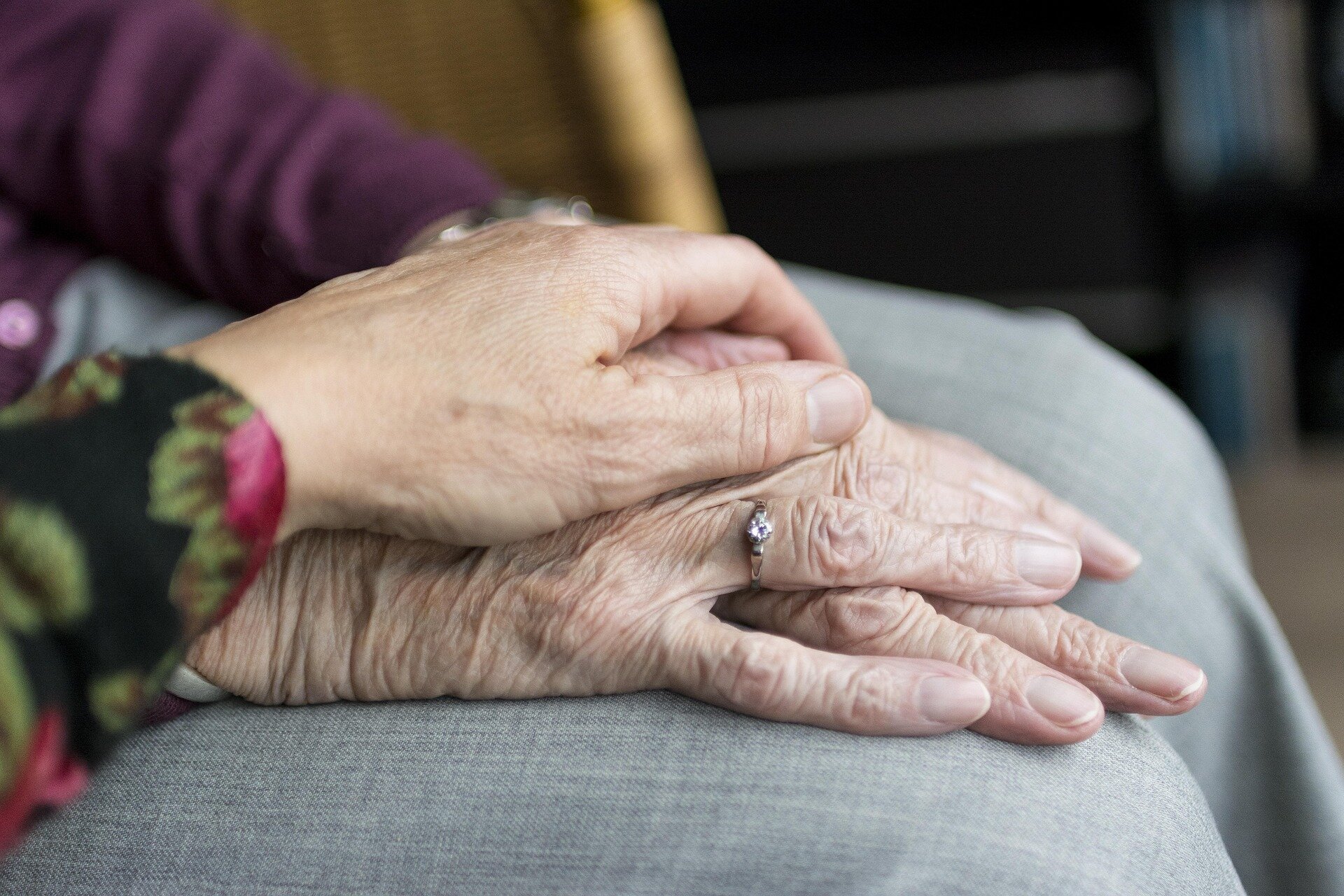
While doctors fight to save the lives of cancer patients in intensive care, family members, partners and friends are often left carrying a heavy burden of their own, with research revealing widespread anxiety, depression, exhaustion and declining well-being among those supporting a loved one through a critical illness.
Published in the journal Intensive & Critical Care Nursing, the review analyzed nine international studies involving 924 participants and paints a bleak picture of the hidden impact on caregivers.
One study found 71% experienced symptoms of anxiety and around half reported symptoms of depression. Almost all reported difficulties caring for themselves, while exhaustion, poor sleep and social isolation were common.
Caregivers also faced significant uncertainty about their loved one's future and often felt they lacked information about what would happen after an ICU admission. Many were juggling caregiving, work and family commitments, and some continued to experience distress months after the critical illness had passed.
National Carers Week (Oct. 11–17) aims to recognize and raise awareness of the more than 3 million Australians who provide unpaid care to a family member or friend.
Lead author and Flinders University Ph.D. student Shalyn Rourke says the review highlights a group whose needs are often overlooked during a medical crisis.
"When someone with cancer becomes critically ill, the focus understandably turns to the patient, but family members and friends are often experiencing considerable distress themselves," says Rourke from the Flinders LiveWell Research Center.
Source link