
This article has been reviewed according to Science X's editorial process and policies. Editors have highlighted the following attributes while ensuring the content's credibility:
Rheumatoid arthritis (RA) begins years before someone experiences the joint pain, swelling and stiffness associated with the disease. Now, researchers at the University of Colorado Anschutz are exploring how artificial intelligence and advances in biological research could help identify the immune mechanisms underlying those early warning symptoms and signs and potentially prevent the disease before it starts.
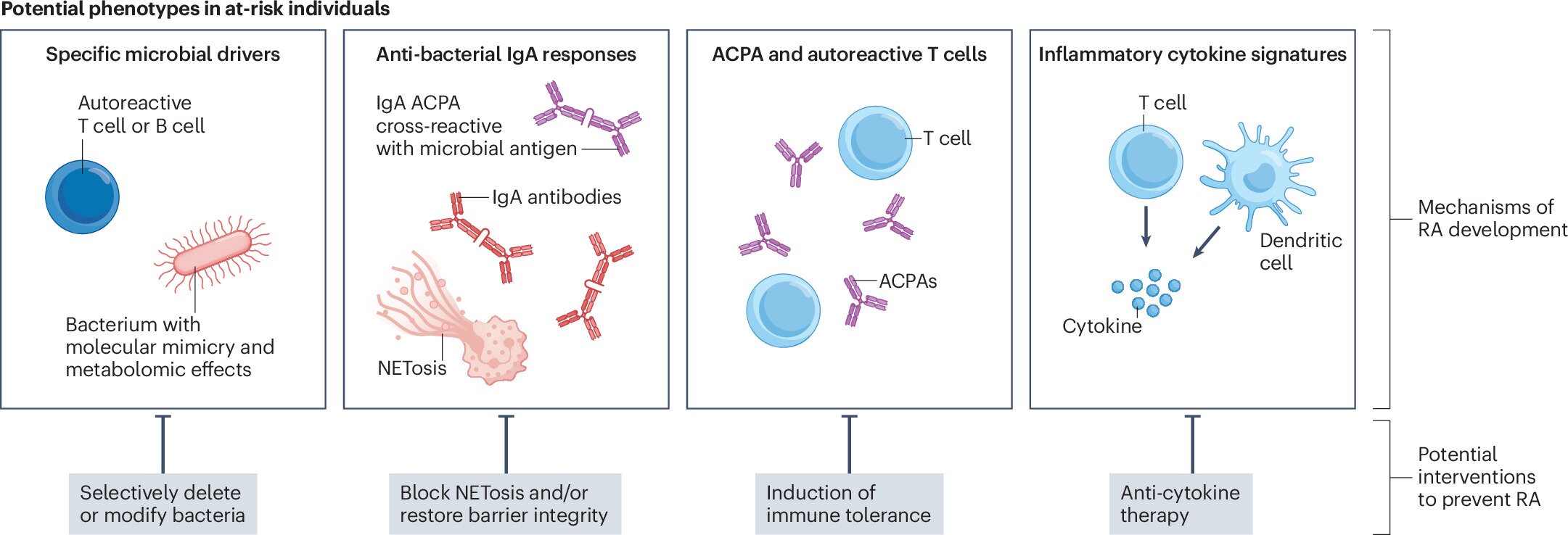
In a review published in Nature Reviews Rheumatology, University of Colorado Anschutz researchers and collaborators examine how RA develops, where the earliest biological changes may originate and how combining information about genetics, the microbiome at mucosal sites, immune cells, proteins and environmental exposures could help predict who is most likely to develop the disease.
The paper brings together research from across the field to explore a future in which scientists can identify people at risk and potentially intervene before the disease causes lasting joint damage.
"What we're learning is that RA is not simply a disease that begins in the joints. There are a number of biological processes that are occurring years before someone develops symptoms," said Michael Holers, M.D., professor of medicine and rheumatology at the CU Anschutz School of Medicine and first author of the publication.
"If we can better understand those processes and identify the individuals who are at risk, we have an opportunity to change the way we approach the disease.
Source link





