This article has been reviewed according to Science X's editorial process and policies. Editors have highlighted the following attributes while ensuring the content's credibility:
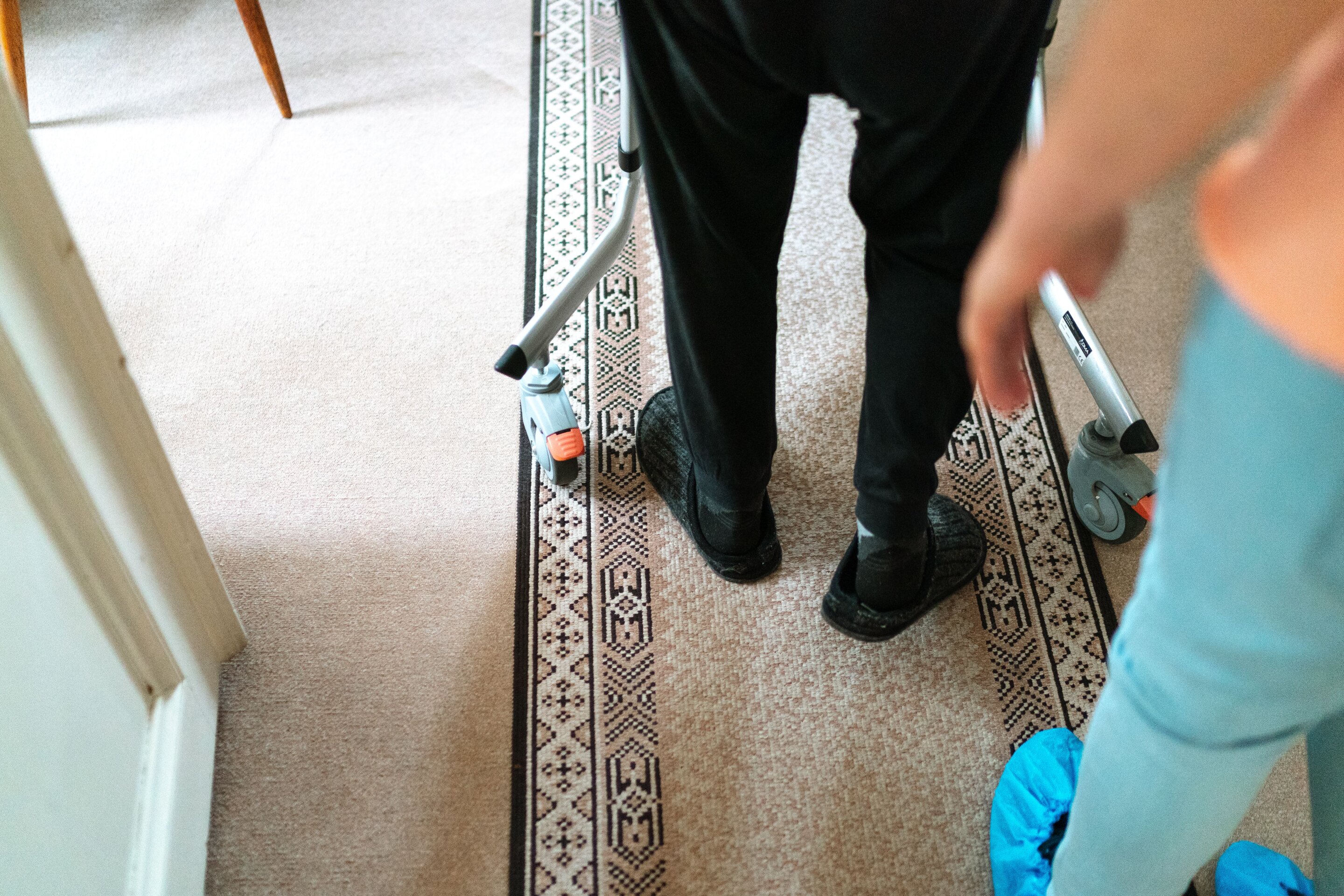
An older patient mentions that climbing the stairs has become harder. They have stopped carrying the groceries in from the car. Last month, they had a fall in the kitchen.
Much of this is sarcopenia, a substantial loss of muscle, strength and physical function that comes with aging. It affects up to 29% of community-dwelling older adults, with even higher rates in hospitals, in residential elder care and among people with multimorbidity or frailty.
Sarcopenia is a major contributor to frailty, disability and loss of independence. Falls are the clearest consequence, and they remain the leading cause of injury-related hospitalization and death in Australia. There were 253,800 fall-related hospitalizations in 2024–25. In the year before that, 6,722 Australians died following a fall, and fall injuries cost the health system an estimated $5.4 billion.
Australian primary care practices are now being asked to engage with this. Earlier this year, the Australian Journal of General Practice published a proposed algorithm to guide screening, assessment and management of poor muscle health in primary care.
That is a welcome step. It also sharpens a question our field has answered poorly. When an older patient says they are getting weaker and slower, what are you actually looking for, and what are you treating?
For decades, the assumed answer has been muscle. In a new publication in The Lancet Healthy Longevity , we argue this answer is incomplete.
Source link