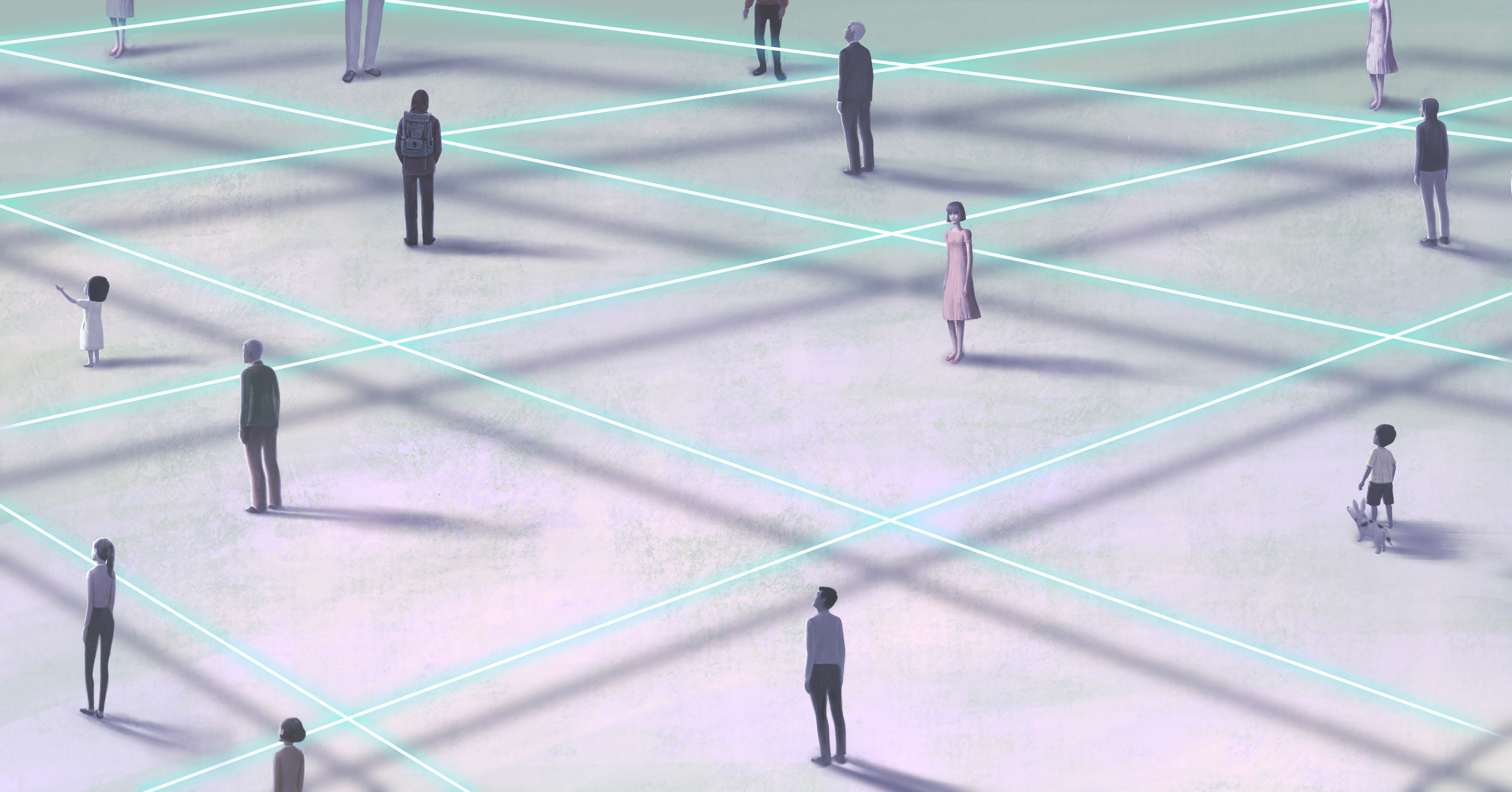
Watch a physician enter an exam room and you'll often see the same thing: a quick hello, then eyes locked on a monitor. Patients read it as indifference. It's usually exhaustion — and the exhaustion started long before that moment.
The screen stare gets misdiagnosed as a bedside manner problem. It's a cognitive load problem, one that compounds from the first chart review of the morning to the last note typed at the kitchen table. If clinical leaders want more attentive, human care in the exam room, the solution requires rethinking how technology supports the entire clinical workflow, starting long before the appointment begins. The next generation of healthcare technology should do more than help physicians document care. It should actively prepare them to deliver it.
Before each visit, physicians often perform what amounts to a chart biopsy. They sample layer after layer of past notes, labs and reports to reconstruct what’s happened since they last saw the patient.
Most EHRs weren’t built to tell that story. They present vitals, lab panels and copy-forward templates as disconnected information, while notes from different providers sit in separate silos. Even after pre-visit review, physicians may still walk into the exam room without a clear, cohesive picture.
By the time the visit begins, much of their attention has already been spent — and the screen keeps pulling it back as they verify details and fill gaps in real time.
Physicians rarely run short on empathy. They do run short on time and attention.
Source link