
This article has been reviewed according to Science X's editorial process and policies. Editors have highlighted the following attributes while ensuring the content's credibility:
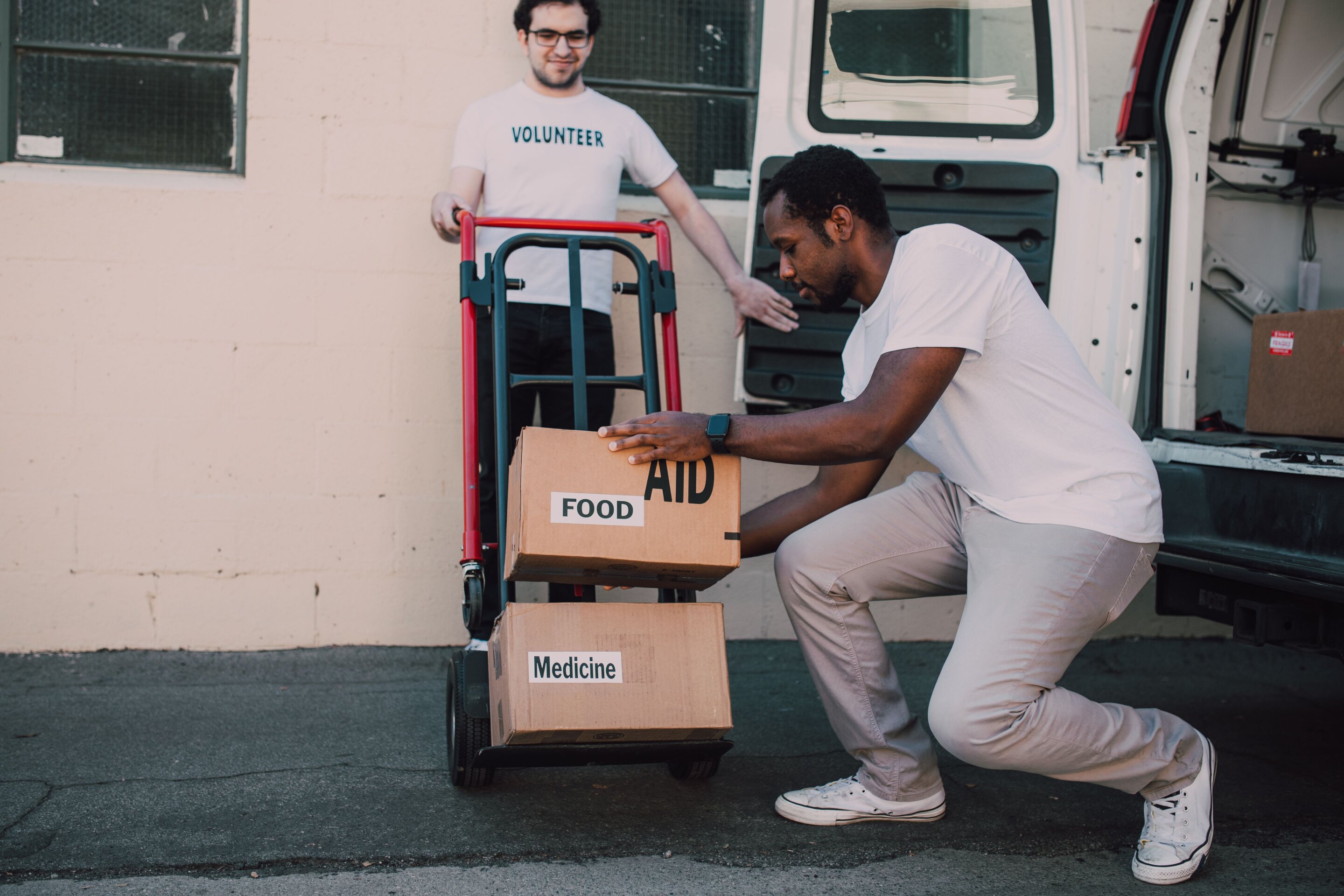
New research has found that people who volunteer have a greater purpose in life, but it comes at a cost, with volunteering also linked to higher levels of anxiety.
The study was led by psychologists from Anglia Ruskin University (ARU) and involved data from 7,146 adults in England who participated in the Taking Part Survey, carried out by the Department for Digital, Culture, Media and Sport.
Volunteering is regarded as a net benefit to society, often focusing on the unmet needs of individuals and communities, and the economic contribution of volunteers is substantial, with the U.N. estimating it accounts for around 2.5% of global GDP.
Published in the journal Behavioral Sciences, the new research found that any form of volunteering in the previous 12 months was associated with participants reporting a stronger sense that their lives were worthwhile.
After controlling for variables linked to subjective well-being and loneliness outcomes—gender, age, level of deprivation, health and employment status—the effect of volunteering on people reporting that their life was worthwhile was more than 1.5 times greater than the effect of being in employment.
The researchers believe this could be because, unlike employment, volunteering usually involves activities that are chosen because they are personally meaningful. It is often in charitable or not-for-profit sectors, and being able to help a particular cause may strengthen feelings of purpose.
" And crucially, it found that volunteering predicted significantly higher levels of anxiety.
Source link





