This article has been reviewed according to Science X's editorial process and policies. Editors have highlighted the following attributes while ensuring the content's credibility:
When faced with the possibility of an HIV diagnosis, sometimes the best initial prescription is support from a trusted friend—someone who might offer not just emotional guidance but also critical, practical health resources. A Harvard research team thinks artificial intelligence has a role to play in that process.
Led by Milind Tambe, the Gordon McKay Professor of Computer Science at the John A. Paulson School of Engineering and Applied Sciences (SEAS), researchers are testing whether AI could enhance a digital health intervention program aimed at generating peer referrals for HIV services, especially among populations that have traditionally been harder to reach. South Africa has about 8 million people living with HIV—the highest of any country in the world.
A field trial now underway in the KwaZulu-Natal province of South Africa is part of HIV-LIFT—Leveraging Innovation and Friendships to Improve HIV Testing—an initiative that includes Wits University in South Africa, Harvard's Teamcore research group led by Tambe, partners at the World Health Organization and others.
HIV-LIFT, whose principal investigator is Alastair van Heerden of Wits University, is a multiyear study aimed at improving HIV testing and care in South Africa among populations, such as men and adolescents, who are less likely to seek testing or attend clinics and are more likely to remain undiagnosed.
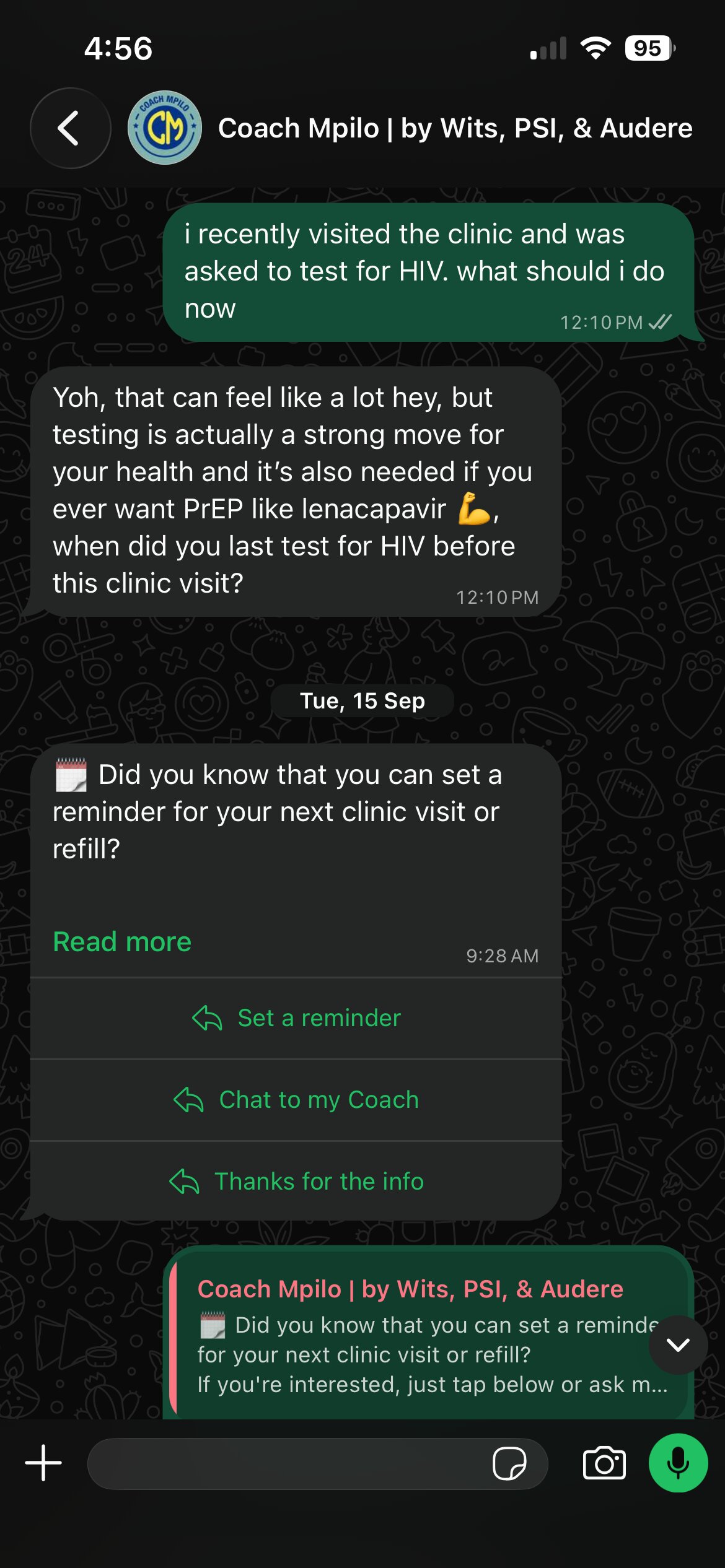
The Harvard team is contributing a machine learning protocol added to an existing smartphone app that's designed to incentivize more people from underserved groups to seek HIV services.
Source link