This article has been reviewed according to Science X's editorial process and policies. Editors have highlighted the following attributes while ensuring the content's credibility:
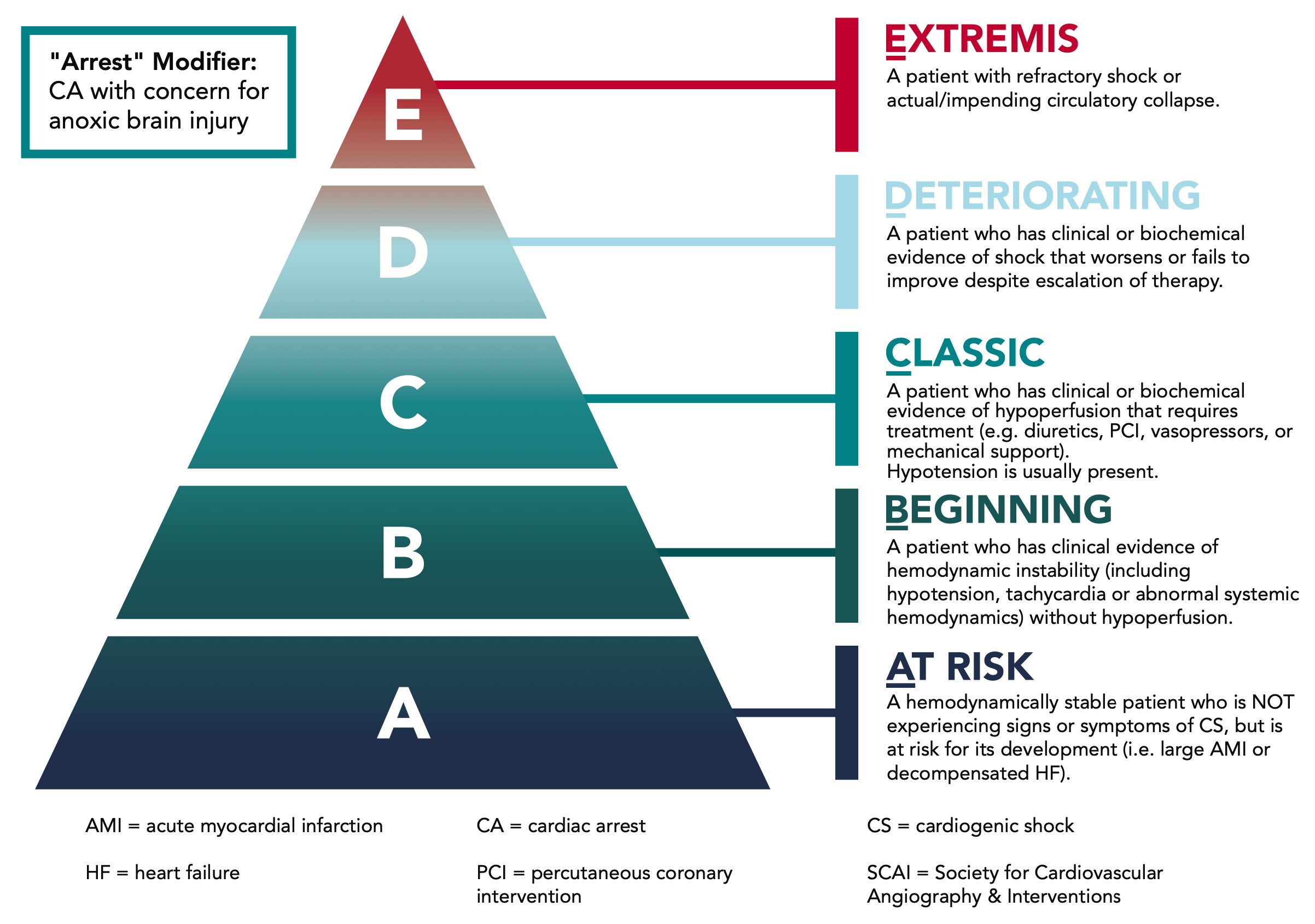
The Society for Cardiovascular Angiography & Interventions (SCAI) has released the 2026 SCAI SHOCK Classification Expert Consensus Update, providing refined guidance to help clinicians from diverse settings prioritize and recognize inadequate organ perfusion across a broad range of shock presentations, assess shock severity over time, and determine whether treatment is restoring adequate circulation.
Published in JSCAI in conjunction with AHA Scientific Sessions 2026, the updated classification strengthens a common framework for a life-threatening condition that can evolve rapidly, incorporating new data and providing field-wide consensus.
Cardiogenic shock occurs when impaired cardiac function prevents adequate blood flow to the body's organs and remains a life-threatening condition with substantial mortality.
Since its introduction in 2019, the SCAI SHOCK Classification has been adopted across clinical care, research and regulatory settings, creating a common language for assessing and communicating cardiogenic shock severity. Clinicians and researchers use it routinely now to assess risk, guide evaluation and track changes in a patient's condition over time.
"One area discussed in detail is the differentiation of hypotension and hypoperfusion. A patient's blood pressure may look acceptable even when vital organs are not receiving adequate blood flow," said Srihari S. Naidu, MD, MSCAI, SCAI past president and co-chair of the consensus writing group.
"One of the most important messages of this update is that clinicians must look beyond blood pressure alone when assessing shock severity, as perfusion to organs is the clinical arbiter that tracks with survival.
Source link